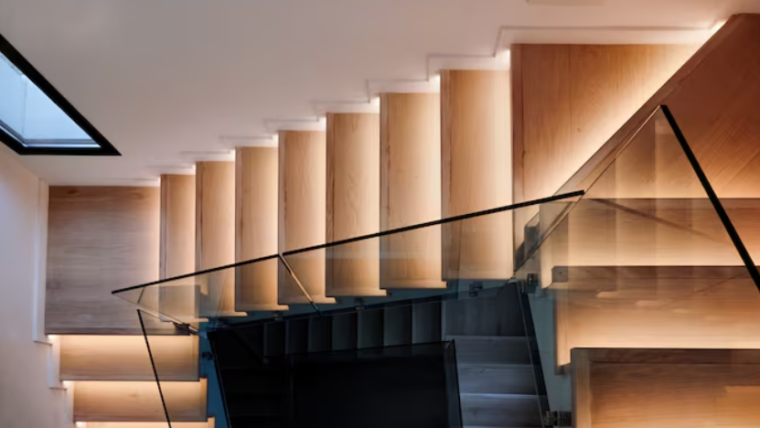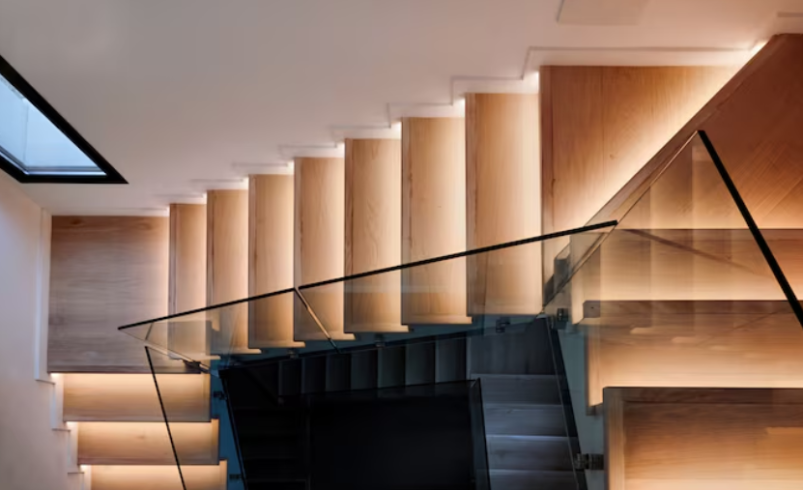

Staircases are an important architectural feature that influence both the functionality and appearance of a home. Beyond providing a convenient way to move between floors, a well-designed staircase can become a beautiful focal point that enhances the entire interior. Among the many available options, hardwood stairs and custom staircases stand out for their durability, versatility, and timeless appeal. Whether homeowners are renovating an existing property or designing a new home, investing in quality staircase materials and craftsmanship can make a significant difference.
The Timeless Appeal of Hardwood Stairs
Hardwood has remained a popular choice for interior construction because of its natural beauty, strength, and long-lasting performance. Hardwood stairs bring warmth and character to a home while complementing a wide range of interior design styles. From traditional spaces to modern interiors, natural wood offers an elegant appearance that never goes out of fashion.
One of the biggest advantages of hardwood is its durability. Staircases experience frequent daily use, making it important to choose materials that can withstand regular foot traffic. Quality hardwood provides a strong and reliable surface that can maintain its appearance for many years with proper care.
Another benefit is the variety of wood species available. Oak, maple, walnut, cherry, and other hardwood options offer different colors, grain patterns, and textures. Homeowners can select a material that matches their flooring, furniture, cabinetry, and overall interior design.
Why Custom Staircases Are Worth Considering
Every home has a different layout, architectural style, and set of functional requirements. Standard staircase designs may not always provide the right combination of appearance, dimensions, and practicality. This is where custom staircases offer valuable advantages.
A customized design allows homeowners to choose the staircase shape, materials, finishes, railings, and decorative details according to their preferences. Whether the goal is to create a dramatic entrance or a simple and elegant connection between floors, customization makes it possible to achieve a more personalized result.
Custom designs are particularly useful for homes with unusual layouts or limited available space. A professional staircase designer can evaluate the dimensions of the area and recommend a configuration that makes efficient use of the available room while maintaining comfortable access.
Popular Hardwood Options for Staircase Construction
Choosing the right wood is an important part of planning a staircase. Different hardwood species provide unique characteristics that influence appearance, maintenance, and performance.
Oak: Oak is one of the most widely used hardwood materials for stairs. It offers excellent durability, attractive grain patterns, and versatility. Its natural appearance works well with both traditional and contemporary interiors.
Maple: Maple is known for its smooth grain and lighter color. It creates a clean, bright appearance that suits modern homes and minimalist designs.
Walnut: Walnut is appreciated for its rich brown tones and distinctive grain. It can create a sophisticated and luxurious look, especially in homes with elegant interior finishes.
Cherry: Cherry wood features warm reddish tones that develop a deeper color over time. It is an attractive choice for homeowners who prefer a classic and refined appearance.
Selecting the appropriate material depends on personal preferences, household needs, budget, and the desired design outcome.
Design Possibilities for Modern Staircases
Modern staircase designs offer numerous opportunities to improve the visual appeal of an interior. Homeowners can explore different configurations, including straight, L-shaped, U-shaped, spiral, and floating staircases.
Straight staircases are practical and straightforward, making them suitable for many residential layouts. L-shaped and U-shaped designs introduce direction changes that can help accommodate different floor plans. Spiral staircases offer an attractive solution when space is limited, while floating designs create an open and contemporary appearance.
Hardwood treads can be combined with metal, glass, or wooden railings to create distinctive visual effects. For example, natural wood steps paired with glass panels can make an interior feel brighter and more spacious. Metal balusters can introduce an industrial touch, while traditional wooden railings create a warm and classic atmosphere.
The Importance of Quality Craftsmanship
A beautiful staircase requires more than attractive materials. Proper measurements, structural planning, accurate installation, and attention to detail are essential for achieving a safe and reliable result.
Professional craftsmanship helps ensure that each step has consistent dimensions and that the staircase is properly supported. Installers must consider tread depth, riser height, railing placement, structural connections, and applicable building requirements.
Poor installation can lead to uneven steps, loose components, unnecessary noise, and long-term maintenance problems. Working with experienced professionals helps reduce these risks and ensures that the finished staircase meets functional and aesthetic expectations.
Enhancing Interior Design With Hardwood Staircases
A staircase often occupies a noticeable position within a home’s interior. Its design can influence how different spaces connect and how the overall environment feels.
Matching hardwood stair treads with existing floors creates a coordinated appearance. Alternatively, homeowners can introduce contrasting wood tones to make the staircase stand out as a decorative feature.
Lighting can also improve staircase design. Wall-mounted fixtures, recessed lights, and carefully positioned overhead lighting can highlight the natural texture of wood while improving visibility. Proper illumination is particularly important for stair safety during the evening.
Decorative newel posts, stylish handrails, and carefully selected finishes provide additional opportunities to personalize the staircase. These details can transform an ordinary structural feature into an attractive architectural centerpiece.
Maintenance and Long-Term Care
Although hardwood is a durable material, regular maintenance is necessary to preserve its beauty. Dust, dirt, and small particles can gradually affect the finish, particularly in areas with heavy foot traffic.
Routine cleaning with a soft broom or vacuum attachment helps prevent surface scratches. When additional cleaning is necessary, homeowners should use products recommended for the specific wood finish and avoid excessive moisture.
Protective finishes can help reduce wear and make everyday cleaning easier. Depending on the material and finish, occasional refinishing may restore the staircase’s original appearance and address visible signs of aging.
It is also important to inspect railings, handrails, and other structural components periodically. Loose fittings or damaged sections should be addressed promptly to maintain safety.
Increasing Property Appeal and Value
A thoughtfully designed staircase can contribute to the overall appeal of a property. Buyers often appreciate quality materials, attractive architectural details, and functional layouts. Hardwood stairs can create a positive impression by introducing natural warmth and a sense of craftsmanship.
Similarly, custom staircases can help distinguish a property from homes with standard interior features. A well-planned design can complement the architecture, improve the flow between floors, and make better use of available space.
Although staircase improvements should be planned according to the household’s budget, choosing durable materials and professional installation can provide lasting value.
Choosing the Right Staircase for Your Home
Before starting a staircase project, homeowners should consider the available space, preferred design, material options, household requirements, and overall budget. It is helpful to review different wood samples, railing styles, finishes, and staircase configurations before making a final decision.
Consulting experienced staircase professionals can simplify the process. They can evaluate the property, discuss design possibilities, recommend suitable materials, and develop a plan that balances appearance, comfort, and safety.
The best staircase is one that fits naturally into the home while meeting the practical needs of the people who use it every day.
Conclusion
A staircase is much more than a connection between floors. It is an architectural feature that can improve the functionality, character, and visual appeal of a home. Hardwood stairs provide natural beauty, dependable strength, and timeless elegance, while custom staircases offer flexibility to create designs that reflect individual preferences and architectural requirements.
By selecting suitable materials, prioritizing quality craftsmanship, and planning every detail carefully, homeowners can create a staircase that remains attractive and functional for years. Whether the goal is a traditional wooden design or a contemporary architectural statement, investing in a well-crafted staircase is an excellent way to enhance the overall living environment.