
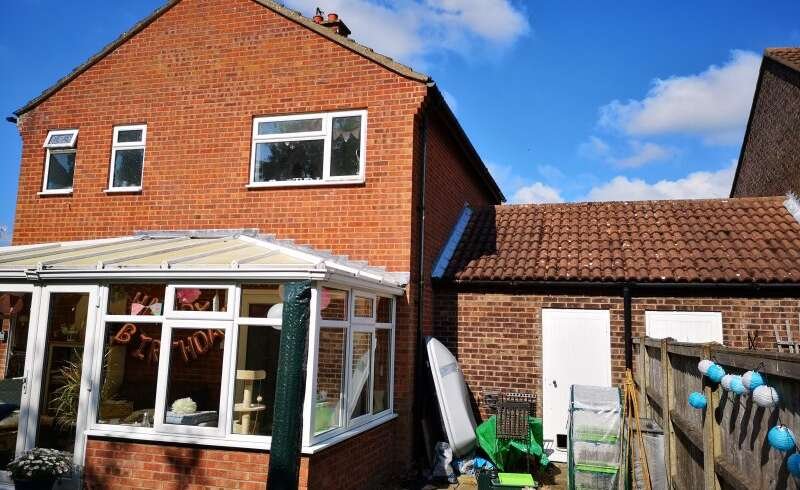

Extending a property can be one of the most practical ways to create additional living space without the disruption and expense of moving to a completely different home. Whether you need a larger kitchen, an extra bedroom, a dedicated home office or more space for your growing family, a well-designed extension can improve both the functionality and long-term value of a property.
For homeowners considering Home Extensions in Great Yarmouth In Norfolk, careful planning is essential. Every property has different requirements, while local surroundings, planning considerations, building regulations, design preferences and available space can all influence the final project. A successful extension should not simply add extra square footage; it should feel like a natural part of the existing property.
Great Yarmouth has a diverse range of properties, from traditional homes to more modern residential developments. Consequently, extension projects need to take account of the existing structure, exterior appearance, access arrangements and the character of the surrounding area. By approaching the project with a clear plan and professional guidance, homeowners can create additional space that is attractive, practical and suitable for everyday life.
Why Consider a Home Extension?
A home extension can provide a flexible solution when the existing layout no longer meets the needs of a household. Instead of selling a familiar property and searching for another one, homeowners can adapt their current home around their changing lifestyle.
Creating More Useful Living Space
One of the biggest advantages of an extension is the ability to create additional space exactly where it is needed. A larger kitchen and dining area can make family life more comfortable, while an additional bedroom can provide privacy for guests or growing children.
Likewise, homeowners who work remotely may benefit from a dedicated office. Rather than using a bedroom or corner of the living room as a workspace, an extension can provide a quieter and more productive environment.
Adapting Your Home to Changing Needs
Household requirements can change over time. A property that was ideal for a young couple may become less suitable after having children or accommodating older relatives. An extension provides an opportunity to adapt the layout without abandoning the location that homeowners already know and enjoy.
For many residents, Home Extensions in Great Yarmouth In Norfolk can therefore be a long-term investment in comfort and practicality rather than simply a short-term improvement.
Popular Types of Home Extensions
There are several ways to extend a property, and the best option depends on the available land, existing layout and intended use of the new space.
Rear Extensions
Rear extensions are particularly popular because they can significantly increase the size of a kitchen, dining room or open-plan living area. They can also introduce larger windows or doors, allowing more natural light into the property.
A thoughtfully designed rear extension can create a strong connection between indoor and outdoor areas. This can be particularly useful for homeowners who enjoy entertaining guests or spending time in the garden.
Side Return Extensions
A side return extension can make use of an often-underused passage alongside a property. This approach is especially useful where the existing building has unused space between the side wall and the boundary.
Although side extensions may not always provide as much additional floor area as larger projects, they can make a noticeable difference to the layout and usability of a home.
Wraparound Extensions
A wraparound extension combines rear and side extension principles to create a larger increase in floor space. This option can be suitable for properties with sufficient external space.
Because the project involves more extensive structural work, detailed planning is particularly important. The new design should remain proportionate to the original property and provide good access to natural light.
Single-Storey Extensions
Single-storey extensions are often used to improve ground-floor living arrangements. They can accommodate kitchens, dining areas, utility rooms, family rooms or additional living space.
Their relatively straightforward layout can make them an attractive option for homeowners who want to improve their property without adding another floor.
Two-Storey Extensions
Where additional space is required on more than one level, a two-storey extension can provide substantially more accommodation. It may allow homeowners to expand both living areas and bedrooms.
However, because the project affects more of the building, it generally requires more detailed structural and design consideration.
Planning Your Extension in Great Yarmouth
Good preparation can make the difference between a smooth building project and one affected by unnecessary delays or unexpected costs.
Assessing Your Existing Property
Before deciding on an extension, homeowners should assess the current property carefully. Consider which rooms are underused, where additional space would provide the greatest benefit and how the proposed extension would interact with the existing layout.
The position of windows, doors, drainage, utilities and structural walls may all influence the design.
Understanding Planning Requirements
Not every extension will require the same permissions. Depending on the size, location and design of the proposed work, planning permission or permitted development rights may apply.
Building regulations are also an important consideration because they cover areas such as structural safety, insulation, ventilation, fire safety and other construction standards.
Homeowners should obtain appropriate professional advice before work begins so that the project can proceed on a sound legal and technical basis.
Considering the Local Environment
Properties in Great Yarmouth and the wider Norfolk area can have very different architectural styles and surroundings. A successful extension should complement the existing property rather than appearing disconnected from it.
Materials, roof design, windows, brickwork and external finishes should be selected carefully. A cohesive design can help the extension look as though it was always intended to be part of the house.
Designing a Practical Home Extension
Good design is about more than making an extension look attractive. The new space should work effectively for everyday use.
Maximising Natural Light
Natural light can make an extension feel larger, brighter and more welcoming. Windows, rooflights, glazed doors and carefully positioned openings can all help bring daylight into the new space.
However, glazing should be balanced with privacy, heat control and energy efficiency. The right combination will depend on the orientation and intended use of the room.
Improving the Internal Layout
An extension provides an opportunity to reconsider how different areas of the home connect with one another. For example, a kitchen extension might incorporate a dining area and family seating space to create a more practical social environment.
Instead of simply adding floor area, homeowners should think about movement through the property and how the new room will be used at different times of the day.
Choosing Suitable Materials
Materials should complement the original building while also providing durability and suitable performance. Brick, render, roofing materials, windows and doors should be selected according to the property’s appearance and the desired design.
Quality materials may involve a higher initial cost, but they can contribute to longevity, appearance and lower maintenance requirements.
Budgeting for a Home Extension
Budgeting is one of the most important stages of any extension project. Costs can vary considerably depending on the size, complexity, materials, structural requirements and internal finishes.
Establishing a Realistic Budget
Homeowners should consider the complete project rather than focusing only on the construction cost. Design work, professional services, approvals, structural requirements, fixtures, fittings and finishing work can all contribute to the final budget.
A sensible contingency allowance can also help protect against unexpected expenses.
Prioritising Essential Features
If the budget is limited, homeowners can prioritise features that have the greatest practical value. Structural quality, insulation, ventilation, electrical work, plumbing and suitable windows should generally receive careful attention.
Decorative elements can often be adjusted later, whereas structural improvements are more difficult to change once construction is complete.
Comparing Professional Quotes
Obtaining detailed quotations from suitable building professionals can help homeowners understand what is included in the project. A useful quotation should provide sufficient information about the proposed work, materials and major stages of construction.
For homeowners researching Home Extensions in Great Yarmouth In Norfolk, comparing experience, workmanship, communication and project scope can be just as important as comparing prices.
Construction and Project Management
Once the design and planning stages have been completed, construction can begin. Good project management helps keep the work organised and reduces avoidable disruption.
Preparing the Site
Initial work may involve preparing the site, protecting existing areas of the property and arranging access for materials and equipment. The exact process will depend on the size and location of the extension.
Structural Work
Foundations, walls, flooring and roofing form the core structure of the extension. These elements need to be completed correctly because they influence the safety, durability and performance of the finished building.
Plumbing and Electrical Installation
If the extension includes a kitchen, bathroom, utility room or additional heating requirements, plumbing and electrical work will need to be incorporated into the construction process.
Planning these installations early can help avoid unnecessary alterations later.
Insulation and Energy Efficiency
Modern homeowners are increasingly concerned about energy use and running costs. Suitable insulation, efficient windows, appropriate ventilation and effective heating can improve the comfort of an extension while helping manage energy consumption.
Common Mistakes to Avoid
Although an extension can offer major benefits, poor preparation can create unnecessary problems.
Focusing Only on Appearance
A visually attractive extension is valuable, but functionality should remain a priority. A beautiful room that is difficult to heat, poorly ventilated or awkwardly connected to the rest of the house may not provide the expected benefits.
Underestimating Costs
Unexpected expenses can place pressure on a project. A realistic budget should account for both planned work and potential unforeseen requirements.
Ignoring the Existing Property
An extension should complement the original building. Ignoring its proportions, materials and architectural character can result in a design that feels out of place.
Choosing on Price Alone
The cheapest quotation is not necessarily the best option. Homeowners should consider workmanship, experience, communication, project planning and the quality of proposed materials before making a decision.
Choosing the Right Building Professional
Selecting a reliable contractor is a major part of a successful extension project. Homeowners should look for relevant experience, clear communication and evidence of quality workmanship.
Reviewing Previous Work
Examples of previous projects can help homeowners understand a contractor’s capabilities. Where possible, reviewing completed extensions that are similar in size or style to the proposed project can provide useful insight.
Discussing the Project Clearly
A professional contractor should be able to discuss the proposed work, explain the construction process and identify potential challenges before work starts.
Maintaining Clear Communication
Regular communication helps homeowners understand project progress and deal with issues promptly. Clear discussions about timescales, materials, costs and changes can reduce misunderstandings during construction.
D Mak Building And Renovation LTD can be considered by homeowners looking for professional support with building and renovation requirements in the Great Yarmouth and Norfolk area.
Making Your Extension a Long-Term Investment
A successful extension should continue to provide value long after construction has finished. Homeowners should think about how the space may be used in the future rather than designing solely around current requirements.
Designing for Flexibility
Flexible rooms can adapt as household needs change. A home office could eventually become a bedroom, study or hobby room, while a large family area could accommodate different furniture arrangements over time.
Considering Property Value
A well-designed extension may improve the appeal and functionality of a property. However, the potential value added depends on factors such as location, design quality, available space and the overall condition of the property.
Planning for Maintenance
Materials and finishes should be selected with long-term maintenance in mind. Durable external finishes, quality windows and properly installed roofing can help reduce future maintenance requirements.
Why Local Knowledge Matters
Working with professionals familiar with the Great Yarmouth and Norfolk area can provide practical advantages. Local knowledge can help contractors understand common property styles, environmental considerations, supply arrangements and regional construction requirements.
D Mak Building And Renovation LTD provides building and renovation expertise that can help homeowners approach extension projects with greater confidence, from initial ideas through to the completed space.
Final Thoughts
A home extension is an important investment that can transform an existing property into a more comfortable, practical and adaptable home. From choosing the right type of extension to planning the layout, understanding permissions, managing the budget and selecting suitable materials, every stage deserves careful consideration.
For anyone exploring Home Extensions in Great Yarmouth In Norfolk, the best results come from combining thoughtful design, sound construction practices and professional project planning. A well-executed extension should complement the existing property, improve everyday living and remain useful for years to come.
With careful preparation and the right professional support, homeowners can turn unused or limited space into an attractive addition that meets their current needs while providing lasting value. D Mak Building And Renovation LTD can support homeowners seeking a reliable approach to building and renovation projects in Great Yarmouth and the surrounding Norfolk area.