

Renovating a home is one of the most effective ways to improve comfort, functionality, appearance and long-term property value. Whether you own a traditional house, a modern townhouse, a flat or a larger family property, carefully planned improvements can transform the way a home looks and performs. However, successful renovation requires more than choosing attractive finishes. It involves thoughtful planning, suitable materials, skilled workmanship, realistic budgeting and attention to the specific requirements of the property.
For homeowners considering Home Renovation in Slough, understanding the renovation process before work begins can make a significant difference. Slough has a diverse range of properties, from older homes that may require structural or cosmetic improvements to newer properties where homeowners want to create more personalised living spaces. Every project has different requirements, so a practical renovation plan should be based on the property’s current condition, the owner’s objectives and the intended use of each room.
A well-managed renovation can improve everything from the layout and storage capacity to insulation, lighting, flooring, decoration and overall functionality. Instead of approaching renovation as a collection of separate jobs, homeowners can benefit from viewing the property as one complete project. This allows different improvements to work together and creates a more consistent result throughout the home.
Understanding the Scope of a Home Renovation
Home renovation can involve small decorative changes or extensive improvements across several areas of a property. The scope should be established at the beginning so that the project remains organised and financially manageable.
Cosmetic Renovation
Cosmetic improvements are generally focused on appearance rather than major structural changes. They can include repainting walls, replacing flooring, updating internal doors, refreshing ceilings and improving decorative finishes.
These changes can have a surprisingly significant impact. A carefully selected colour scheme, professionally prepared walls and high-quality flooring can make rooms appear brighter, cleaner and more spacious without requiring major construction work.
Functional Improvements
Functional renovation focuses on making a property easier and more comfortable to use. Examples include improving storage, changing room layouts, upgrading kitchens, modernising bathrooms and creating better connections between living spaces.
In many homes, unused corners, awkward layouts or insufficient storage reduce everyday convenience. Renovation provides an opportunity to address these problems rather than simply changing the appearance of a room.
Larger Property Improvements
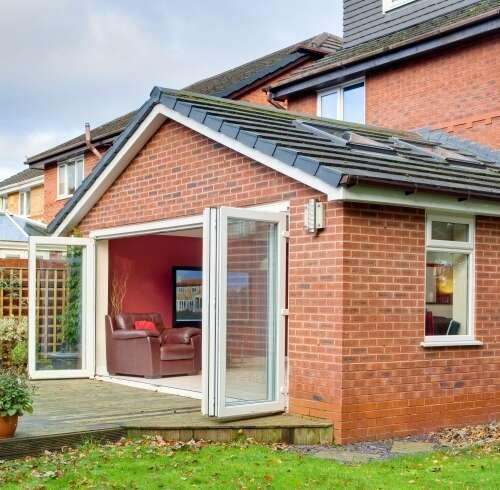
More extensive projects may involve extensions, conversions, structural alterations, new insulation, improved heating systems or significant changes to internal layouts. These projects require greater planning and may involve building regulations, structural assessments or other professional considerations.
The exact requirements depend on the proposed work and the property itself. Therefore, homeowners should establish what permissions, approvals or specialist input may be necessary before construction starts.
Planning Your Renovation Project
Good planning is the foundation of a successful renovation. Rushing into construction without establishing priorities can lead to unnecessary expenses, delays and design compromises.
Establish Clear Objectives
Begin by identifying what you want to achieve. Is the main goal to modernise the appearance, increase usable space, improve functionality, prepare the property for sale or create a more comfortable long-term home?
Writing down the main objectives helps separate essential work from optional improvements. It also makes it easier to communicate expectations to contractors and tradespeople.
Create a Realistic Budget
A renovation budget should include materials, labour, professional services and potential unexpected costs. It is sensible to keep a contingency allowance because older properties can sometimes reveal issues once walls, floors or other areas are opened.
A realistic budget should prioritise essential work first. Structural repairs, water damage, electrical concerns and other important property issues should generally be addressed before purely decorative upgrades.
Prepare a Project Schedule
A clear schedule helps coordinate different stages of renovation. For example, structural or preparation work may need to be completed before plastering, painting, flooring or final decoration.
Allowing sufficient time between stages can prevent rushed workmanship. It is also important to understand that material availability, property conditions and specialist trades can affect completion times.
Choosing Materials for Long-Term Results
Material selection affects both the appearance and performance of a renovated home. Attractive materials are useful, but durability and suitability should also be considered.
Flooring
Flooring should be selected according to the room’s purpose. Kitchens and entrances may require surfaces that are easy to maintain, while bedrooms and living rooms may benefit from warmer or softer finishes.
Homeowners should consider durability, cleaning requirements, moisture exposure and expected foot traffic before making a decision.
Paint and Wall Finishes
Paint can completely change the atmosphere of a room. Neutral shades can create a timeless appearance, while carefully chosen feature colours can introduce personality.
Surface preparation is equally important. Cracks, uneven areas and damaged surfaces should be properly repaired before painting. Good preparation helps produce a smoother finish and can improve the longevity of decorative work.
Fixtures and Fittings
Handles, lighting, taps, doors and other fixtures may seem like small details, but they contribute significantly to the finished appearance. Choosing complementary designs helps create a cohesive style throughout the property.
Improving Kitchens and Bathrooms
Kitchens and bathrooms are among the most frequently renovated areas because they combine practical requirements with strong visual impact.
Kitchen Renovation Considerations
A successful kitchen renovation should balance storage, movement, lighting and usability. The placement of cabinets, appliances, worktops and sinks should allow everyday tasks to be completed comfortably.
Storage is particularly important. Tall units, drawers, corner solutions and integrated storage can help make better use of available space without overcrowding the room.
Lighting should also be considered carefully. A combination of general illumination and task lighting can make work surfaces more practical while improving the overall atmosphere.
Bathroom Renovation Considerations
Bathrooms need materials that can withstand regular exposure to moisture. Good ventilation is also important because excessive humidity can contribute to condensation and surface problems.
The layout should allow enough space for comfortable movement. Depending on the property, improvements may include replacing sanitaryware, updating wall finishes, improving storage, changing flooring or upgrading lighting.
Making Better Use of Available Space
Not every renovation requires an extension. Sometimes the existing floor area can be used more effectively through better design.
Reconsidering Room Layouts
Removing unnecessary furniture, improving circulation and repositioning key elements can make a room feel considerably larger. Where appropriate, changing internal partitions may create more useful spaces.
Before altering walls, homeowners should determine whether they are structural and whether professional assessment or approval is required.
Creating Practical Storage
Storage can be integrated into bedrooms, hallways, kitchens and living areas. Built-in solutions can reduce clutter while making use of spaces that might otherwise remain underutilised.
A good storage plan should consider both current needs and future requirements. Flexible storage can be particularly valuable for growing families or homeowners planning to remain in the property for many years.
Improving Energy Efficiency
Modern renovation should consider energy performance as well as appearance. Improving insulation, reducing draughts, upgrading windows where appropriate and using efficient lighting can contribute to a more comfortable home.
Insulation and Draught Reduction
Poor insulation can contribute to heat loss and uncomfortable indoor temperatures. Depending on the property, improvements may involve loft insulation, wall insulation or measures to reduce unwanted draughts.
Before investing in upgrades, homeowners should identify where heat is being lost so that improvements can be targeted effectively.
Efficient Lighting
LED lighting can provide an efficient option for many areas of a property. Layered lighting can also improve functionality by providing suitable illumination for different activities.
Lighting should be planned during renovation rather than added as an afterthought, particularly when walls or ceilings are already being altered.
Why Professional Workmanship Matters
The quality of workmanship has a direct influence on the appearance, durability and performance of renovation work. Professional preparation is particularly important for painting, plastering, flooring and other finishing tasks because visible imperfections can affect the entire result.
For homeowners planning Home Renovation in Slough, selecting experienced professionals can help ensure that different stages of the project are completed to an appropriate standard. A reliable renovation team should understand preparation, material suitability, safe working practices and the importance of maintaining a clean and organised work area.
Importance of Surface Preparation
Painting and decorative work often receive attention for their final appearance, but preparation is just as important. Surfaces may need cleaning, filling, sanding, repairing or priming before the final coating is applied.
Skipping preparation can result in uneven finishes, visible imperfections or premature deterioration. Taking the necessary time at this stage helps create a stronger foundation for the finished work.
Coordinating Multiple Trades
Larger renovation projects may involve several trades. Good coordination reduces conflicts between different stages and helps maintain project momentum.
For example, decorative finishes should normally follow work that could create dust, damage or moisture. Proper sequencing helps protect completed work and reduces the need for unnecessary repairs.
Renovation Mistakes Homeowners Should Avoid
Even a well-intentioned project can experience problems if important details are overlooked.
Starting Without a Detailed Plan
Beginning work without defining the scope can lead to changing requirements, additional costs and inconsistent results. A clear plan provides a reference point throughout the project.
Choosing Materials Only on Price
The cheapest material is not always the most economical choice in the long term. Durability, maintenance requirements and suitability should be considered alongside the initial cost.
Ignoring Small Repairs
Minor cracks, damp-related concerns, damaged surfaces or other defects should not simply be covered with decorative finishes. Renovation provides an opportunity to investigate and address underlying issues before applying new materials.
Overlooking the Final Details
Skirting boards, trim, doors, handles, lighting and finishing touches can influence the overall impression of a renovated home. Completing these details carefully helps create a polished result.
How to Approach Home Renovation Successfully
A successful renovation should combine practical planning with a clear understanding of the property’s condition. Start by identifying essential repairs, then establish the desired design and functionality of each area.
In addition to Home Renovation in Slough next, develop a budget and realistic schedule. Select materials based on durability and suitability rather than appearance alone. Where specialist work is required, use appropriately experienced professionals and make sure responsibilities are clearly understood before work begins.
It is also helpful to document the project as it progresses. Keeping records of materials, changes, costs and completed stages can make the renovation easier to manage and provides useful information for future maintenance.
Creating a Home That Works for the Future
Renovation should not only address current problems. It should also consider how the property may be used in the future. Flexible rooms, practical storage, durable finishes and adaptable layouts can make a home more useful over time.
For example, a spare room could be designed to function as a guest bedroom, home office or study. Similarly, storage solutions can be designed to accommodate changing household requirements.
Thoughtful renovation therefore goes beyond visual improvement. It creates a property that supports everyday routines while maintaining a comfortable and attractive environment.
Final Thoughts
A carefully planned renovation can transform a property without compromising its character or practical value. From decorating and flooring to kitchen improvements, bathroom upgrades, storage solutions and energy-conscious changes, every element should contribute to a clear overall objective.
For anyone considering Home Renovation in Slough, the best results come from combining realistic planning, suitable materials, skilled workmanship and attention to detail. Taking time to understand the property’s needs before work begins can reduce avoidable problems and help ensure that the finished space meets both practical and aesthetic expectations. With the right approach and professional support from Ultimate Painters and Renovations, homeowners can create a more functional, comfortable and visually appealing property that is designed to remain useful for years to come.