

Wound healing can be a gradual process, especially when a wound is complex, slow to heal, or affected by underlying health and lifestyle factors. Modern wound care has introduced several advanced approaches designed to support the body’s natural healing process. Among these options, Amniotic Wound Grafts and Amniotic Wound Care Products have gained attention as specialized tools used by healthcare professionals in wound management.
These products are designed to provide protective coverage and support a suitable environment for wound healing. When incorporated into an appropriate treatment plan, they may help healthcare providers address specific wound-care challenges while focusing on patient comfort and recovery.
Understanding Amniotic Wound Grafts
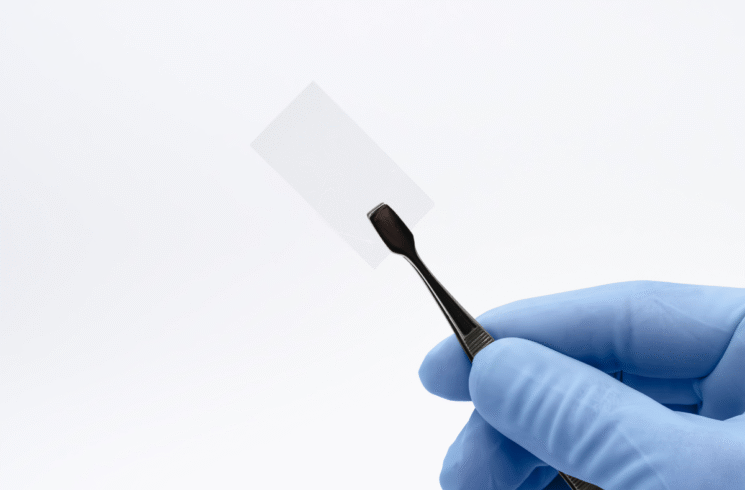
Amniotic tissue comes from the amniotic membrane, which surrounds and protects a developing baby during pregnancy. After birth, donated placental tissue may be collected through regulated tissue-banking processes and processed for medical applications.
Amniotic Wound Grafts are derived from this donated tissue and are prepared for use in specific wound-care settings. Depending on the product, processing methods can preserve different structural or biological components of the tissue.
Healthcare professionals may consider these grafts for wounds that require additional support as part of a broader wound-management strategy. Their use can vary based on the wound’s characteristics, the patient’s overall condition, and the clinician’s treatment goals.
Supporting the Wound Healing Environment
A healthy wound-healing environment involves several factors. The wound needs appropriate protection, moisture balance, and management of potential complications. Poor circulation, repeated pressure, infection, or other factors can interfere with normal healing.
Amniotic Wound Care Products can be incorporated into wound-care protocols to provide coverage and support the wound environment. Some products are designed to act as protective barriers, while others are intended to provide tissue-based support.
The exact function depends on the specific product and how it has been processed. Therefore, healthcare providers generally evaluate the wound before selecting an appropriate product.
Why Advanced Wound Care Matters
Not every wound follows the same healing timeline. Minor injuries may improve with basic first aid, while chronic or complicated wounds may require ongoing professional management.
Factors such as wound size, location, depth, blood circulation, pressure, nutrition, and infection risk can influence recovery. For these wounds, simply covering the affected area may not be enough.
Advanced wound-care products give clinicians additional options when developing individualized treatment plans. Amniotic Wound Grafts may be considered when conventional approaches have not provided the desired progress or when a specialized treatment option is appropriate.
However, these products should not be viewed as a replacement for fundamental wound care. Proper cleaning, wound assessment, pressure management, infection monitoring, and treatment of underlying conditions remain important parts of recovery.
Potential Role in Patient Comfort
Wound care can be physically and emotionally challenging. Frequent dressing changes, exposed wounds, discomfort, and concerns about healing can affect a patient’s daily routine.
A well-designed wound-care plan aims not only to support healing but also to improve the overall patient experience. Depending on the wound and product, Amniotic Wound Care Products may provide protective coverage that fits into a clinician’s dressing strategy.
Patient comfort can also depend on factors such as dressing materials, wound location, frequency of changes, and the presence of inflammation or infection. For this reason, treatment decisions should be individualized rather than based solely on the type of product being considered.
The Importance of Professional Wound Assessment
Choosing an advanced wound-care product should begin with a professional evaluation. Healthcare providers typically consider the type and condition of the wound, its duration, surrounding tissue, drainage, infection concerns, and the patient’s overall health.
A clinician may also review previous treatments and determine whether additional interventions are necessary.
This assessment is particularly important because a product that may be appropriate for one wound may not be suitable for another. Amniotic Wound Grafts should therefore be used according to professional recommendations and the instructions associated with the specific medical product.
Combining Products With Comprehensive Care
Advanced wound products work best when they are part of a comprehensive approach. Depending on the patient’s needs, wound management may involve several elements.
These can include:
- Regular wound assessment
- Appropriate wound cleaning
- Suitable dressings
- Moisture management
- Pressure relief
- Infection prevention and treatment
- Nutrition and hydration support
- Management of conditions that may affect healing
- Regular follow-up with healthcare professionals
Amniotic Wound Care Products can be one component of this broader strategy. Combining appropriate products with consistent clinical care allows healthcare providers to monitor progress and make adjustments when necessary.
Technology and the Future of Wound Care
Wound care continues to evolve as researchers and healthcare professionals explore new technologies, materials, and treatment strategies. Tissue-based products are one area receiving continued interest because of their potential applications in regenerative and advanced wound management.
As processing techniques and clinical knowledge develop, healthcare providers have access to an expanding range of specialized products. This creates opportunities for more individualized treatment approaches.
At the same time, patients should understand that advanced wound-care products are not universal solutions. Results can vary depending on the wound, patient characteristics, treatment protocol, and other factors. Evidence and professional guidance remain important when deciding whether a particular treatment is appropriate.
Making Informed Wound-Care Decisions
Patients and caregivers can play an important role in the recovery process by following their healthcare provider’s instructions and attending recommended follow-up appointments. They should also communicate changes such as increasing pain, unusual drainage, swelling, redness, odor, or other concerning symptoms.
If a wound is taking longer than expected to heal, asking a healthcare professional about available treatment options can help identify an appropriate care strategy. In some situations, Amniotic Wound Grafts or other advanced wound-care options may be discussed as part of the treatment plan.
The goal should always be individualized care based on the patient’s specific needs rather than selecting a product simply because it is considered advanced.
Conclusion
A healthier wound recovery journey often requires more than a single treatment. Careful assessment, appropriate wound management, patient education, and ongoing monitoring all contribute to effective wound care.
Amniotic Wound Grafts and Amniotic Wound Care Products offer healthcare professionals additional options for managing certain wounds. When appropriately selected and incorporated into a comprehensive treatment plan, these products may support wound protection and the healing environment.
Patients considering advanced wound-care treatments should speak with a qualified healthcare professional to determine whether a particular product is suitable for their individual situation. With personalized care and consistent monitoring, modern wound-care strategies can help patients work toward better recovery outcomes.