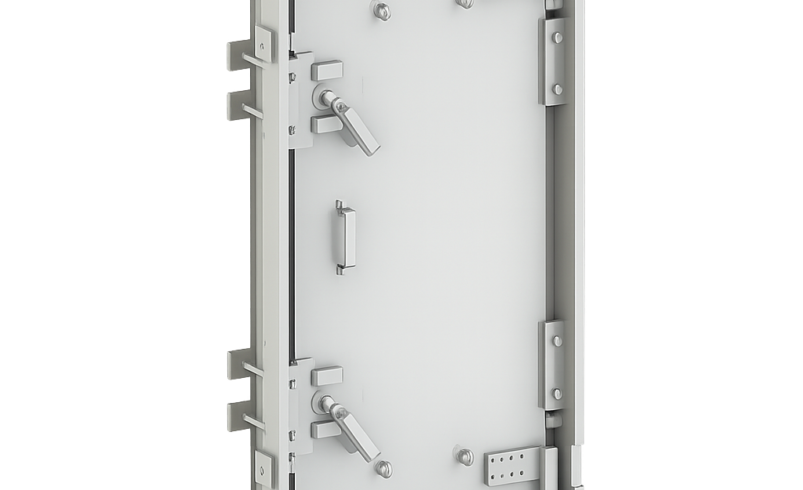

A chemical defense shelter activates its emergency ventilation system after detecting airborne contamination. The filtration units perform as designed, but a poorly sealed entrance allows contaminated air to bypass the protective systems. Within minutes, the controlled environment is compromised. This scenario highlights why a properly engineered Gas tight door is one of the most critical safety components in CBRN shelters, hazardous laboratories, military facilities, and industrial containment areas where airtight protection directly affects operational safety.
Modern hazardous facilities depend on much more than strong walls and advanced filtration. They require doors capable of maintaining airtight integrity under demanding operating conditions while supporting pressure management, structural strength, and long-term reliability.
What is a Gas Tight Door and How Is It Engineered?
A Gas tight door is a specially engineered access system designed to prevent the leakage of hazardous gases, toxic contaminants, biological agents, and radioactive particles between protected and unprotected environments.
Unlike conventional industrial doors, these systems combine reinforced steel construction with precision-engineered compression gasket seals that create an airtight barrier when the door is fully secured.
Typical engineering features include:
- Heavy-duty reinforced door leaf
- Precision-machined steel frame
- Multi-point compression locking system
- High-performance elastomer sealing gaskets
- Corrosion-resistant protective coating
- Pressure-resistant structural reinforcement
Professional Gas tight door design also considers long-term dimensional stability so sealing performance remains consistent despite repeated operation and environmental exposure.
How Compression Seals Maintain Airtight Integrity
The sealing mechanism is the defining feature of every Gas tight door.
Instead of relying on standard weather stripping, these doors use compression gasket technology. As locking handles engage, uniform pressure compresses the gasket against the frame, eliminating leakage paths around the perimeter.
This compression system enables facilities to maintain controlled positive or negative pressure environments without significant air leakage, ensuring contaminants remain contained or excluded according to operational requirements.
Pressure Differential Performance and Leakage Testing
Many protected facilities operate under carefully controlled pressure conditions.
Positive pressure keeps contaminated air outside shelters, while negative pressure prevents hazardous materials from escaping laboratories or containment rooms.
A properly engineered Gas tight door systems installation must withstand these pressure differentials without losing sealing effectiveness.
Performance verification generally includes:
- Air leakage rate testing
- Pressure retention verification
- Seal compression inspection
- Operational cycle testing
- Structural load evaluation
- Functional inspection of locking mechanisms
Testing confirms that the installed system performs consistently under realistic operating conditions while meeting specified airtightness requirements.
Frame Integration Is Just as Important as the Door
Even the highest-quality door cannot perform effectively if the frame is improperly installed.
Frame anchoring must transfer structural loads while maintaining complete airtight continuity between the surrounding wall and the door assembly.
Successful installation considers:
- Reinforced wall construction
- Embedded anchor systems
- Precision alignment
- Continuous perimeter sealing
- Concrete interface treatment
- Structural movement allowances
Poor frame integration frequently becomes the primary source of air leakage rather than the door itself.
Integration with Blast, Fire, and CBRN Protection
Modern critical infrastructure often combines several protective systems into one coordinated design.
A Gas tight door for CBRN shelters may also function alongside blast-resistant construction, fire-rated assemblies, and advanced filtration equipment.
Integrated systems commonly include:
- Blast protection barriers
- Fire-resistant door assemblies
- CBRN filtration equipment
- Airlock chambers
- Emergency ventilation controls
- Access monitoring systems
Proper engineering ensures every protective component operates together without compromising overall facility performance.
Automation, Locking, and Access Control
Many high-security facilities require more than manual operation.
Today’s gas-tight doors can integrate with electronic access control, emergency release mechanisms, and building management systems.
Common options include:
- Multi-point compression locking
- Electronic access credentials
- Remote monitoring
- Emergency override functions
- Door status sensors
- Building automation integration
These features improve operational efficiency while preserving airtight sealing performance.
Key Features of High-Performance Gas Tight Doors
High-quality systems are designed to deliver long-term reliability in demanding environments.
Key features include:
- Excellent airtight sealing performance
- High structural strength
- Corrosion-resistant construction
- Pressure differential capability
- Compatibility with blast and fire protection systems
- Security-grade locking mechanisms
- Long service life
- Low maintenance requirements
- Compliance with applicable certification requirements
These characteristics support dependable performance throughout the facility lifecycle.
Applications Across Critical Infrastructure
Gas-tight protection is required across numerous industries where contamination control is essential.
Typical applications include:
- CBRN shelters and civil defense bunkers
- Military command centers
- Biological containment laboratories
- Pharmaceutical research facilities
- Chemical and petrochemical plants
- Nuclear facilities
- Underground infrastructure
- Hazardous material storage units
In many of these environments, an Airtight door for hazardous facilities serves as a critical component of the overall containment strategy.
Cost and Investment Factors
The Gas tight door price varies according to engineering complexity rather than simply door dimensions.
Important cost considerations include:
- Required sealing or leakage-rate class
- Door size and opening configuration
- Material selection and plate thickness
- Frame engineering and anchoring requirements
- Factory testing and certification
- Integration with pressure and filtration systems
- Automation and locking options
- Installation complexity
- Site-specific engineering assessments
- Planned maintenance requirements
Evaluating lifecycle value instead of initial purchase price usually produces better long-term operational results.
Buyer’s Guide: Selecting the Right Manufacturer
Choosing experienced Gas tight door manufacturers in India requires careful technical evaluation rather than comparing quotations alone.
A qualified supplier should demonstrate:
- Extensive engineering experience
- Proven airtight testing capability
- Compliance with IS, BIS, and relevant international CBRN or airtightness standards
- Advanced customization capability
- Precision manufacturing processes
- Installation expertise
- Technical documentation
- Reliable after-sales maintenance support
- Strong project references
As a Sigma Power Tech manufacturer and service provider, Sigma Power Tech gas tight door solutions are engineered for demanding industrial, defense, and critical infrastructure projects where long-term sealing performance and system integration are essential.
Common Mistakes to Avoid
Several specification errors can significantly reduce long-term performance.
Avoid these common mistakes:
- Selecting products based only on initial cost
- Ignoring required pressure or leakage performance
- Improper frame and wall integration
- Underestimating corrosion or fire exposure
- Skipping certification verification
- Neglecting gasket inspection and maintenance
- Overlooking compatibility with filtration and CBRN systems
Proper engineering decisions during design and installation prevent expensive modifications later.
Conclusion
A Gas tight door is far more than an industrial entrance. It is a precision-engineered safety system that protects people, equipment, and critical operations by maintaining dependable airtight containment. Selecting the correct sealing class, ensuring proper frame integration, verifying certified performance, and planning regular maintenance all contribute to long-term operational reliability. While initial costs vary depending on engineering requirements, investing in certified design, rigorous testing, and proven manufacturing delivers lasting protection that far outweighs short-term savings in critical and hazardous environments.