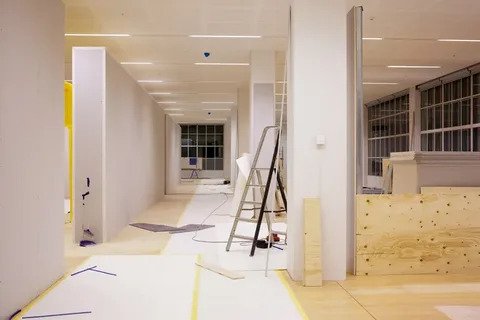

A business space plays an important role in how customers view a company, how employees perform their daily tasks, and how smoothly operations run. An outdated layout, damaged walls, poor lighting, or worn exterior can create the wrong impression and make everyday work more difficult. A well-planned renovation can solve these problems while creating a more welcoming, practical, and professional environment.
Professional commercial renovation services Portland OR help businesses turn outdated or inefficient properties into spaces that support their goals. Whether a company operates an office, retail store, restaurant, medical facility, or other commercial property, the right improvements can make a meaningful difference.
From updating interior finishes to improving exterior protection, commercial renovations cover many important areas. Working with experienced professionals, including reliable siding contractors Portland OR and painting contractors Portland Oregon, can help property owners make informed decisions about their projects.
Century Construction is a relevant name for businesses exploring commercial construction and renovation options. Choosing the right construction partner can help turn renovation ideas into a clear plan with practical results.
This article explores seven ways commercial renovation services can transform a business space, along with useful planning tips, common improvements, and answers to frequently asked questions.
1. Create a Stronger First Impression With a Modern Business Exterior
The exterior of a commercial property is often the first thing customers, clients, and visitors notice. A building that looks neglected or outdated may affect how people view the business before they even walk through the door.
A professional renovation can improve the property’s appearance and create a more welcoming entrance.
Upgrade Exterior Finishes and Siding
Exterior siding plays an important role in both appearance and building protection. Damaged, faded, or aging siding can make a commercial property look poorly maintained.
Professional siding contractors Portland OR can help business owners evaluate their existing exterior and identify suitable improvements.
Common siding-related renovation tasks include:
- Replacing damaged or deteriorating siding.
- Updating outdated exterior materials.
- Repairing visible gaps and surface damage.
- Improving the overall appearance of exterior walls.
- Choosing finishes that complement the building’s design.
The right siding solution depends on the building’s structure, exposure to weather, maintenance needs, and budget.
Improve Entrances and Visible Exterior Features
A clean, attractive entrance makes a commercial property feel more professional. Renovation projects may include updating doors, improving entryways, repairing exterior trim, and refreshing visible surfaces.
For example, a retail store with a faded exterior and an outdated entrance may benefit from new siding, updated paint, and improved exterior lighting.
These changes can help create a consistent appearance that reflects the business’s identity and makes the property more inviting.
2. Improve Employee Productivity With Better Interior Layouts
A commercial building should support the people who use it every day. Poor layouts, limited storage, uncomfortable work areas, and inefficient traffic flow can make routine tasks more difficult.
Commercial renovation services can help businesses create interiors that support productivity and improve daily operations.
Make Better Use of Available Space
Some businesses have more usable space than they realize. However, outdated floor plans, unnecessary partitions, and poorly positioned furniture can prevent them from using that space effectively.
A renovation may involve:
- Removing or adjusting selected interior partitions.
- Creating dedicated meeting areas.
- Improving storage arrangements.
- Designing more practical workstations.
- Creating separate spaces for different business activities.
For example, an office with several unused rooms could be redesigned to include collaborative work areas, private meeting rooms, and better-organized storage.
Any changes to structural walls, electrical systems, plumbing, or fire safety features should be reviewed by qualified professionals.
Improve Lighting and Comfort
Lighting has a direct impact on how people experience a workspace. Dark corners, outdated fixtures, and poor lighting placement can make interiors feel uncomfortable.
Renovation professionals can help evaluate lighting arrangements and identify opportunities to improve natural and artificial light.
Other comfort-related improvements may include better ventilation, updated flooring, improved insulation, and appropriate interior finishes.
A comfortable workplace can help employees focus on their responsibilities while creating a better experience for customers and visitors.
3. Refresh Interior Appearance With Professional Painting and Finishing
Paint is one of the most noticeable features of a commercial interior. Faded walls, chipped surfaces, and inconsistent colors can make an otherwise functional property look outdated.
Professional painting contractors Portland Oregon can help businesses refresh their interiors and create a more polished appearance.
Choose Colors That Match the Business Identity
Color selection should reflect the purpose of the space and the company’s overall image.
For example:
- Offices may benefit from calm, neutral color schemes.
- Retail stores may use brand-related colors to create a consistent shopping experience.
- Restaurants may choose warm colors that complement their interior design.
- Medical and professional facilities may prefer clean, simple finishes.
The goal is to create an environment that feels appropriate for the business and comfortable for the people using it.
Prepare Surfaces Before Painting
A successful painting project involves more than applying a fresh coat of paint. Proper surface preparation helps create a clean, even finish.
Professional preparation may include:
- Inspecting walls, ceilings, and other surfaces.
- Cleaning away dust, dirt, and loose material.
- Repairing cracks, holes, and damaged areas.
- Applying suitable primers when needed.
- Using appropriate paints and finishing techniques.
Different commercial environments require different paint choices. High-traffic hallways, offices, kitchens, and customer-facing areas may have different cleaning and durability requirements.
Working with qualified painting professionals helps ensure that the materials and preparation methods suit the intended application.
4. Increase Building Functionality Through Essential Repairs and Upgrades
A commercial renovation should improve more than appearance. It should also address problems that affect the property’s performance, safety, and everyday usability.
Small maintenance issues can become more expensive when they remain unresolved. A renovation provides an opportunity to identify these concerns and address them as part of a larger improvement plan.
Address Structural and Surface Problems
Before starting cosmetic improvements, property owners should evaluate the condition of important building components.
Potential renovation tasks include:
- Repairing damaged drywall.
- Replacing worn flooring.
- Addressing damaged ceilings.
- Repairing deteriorating exterior surfaces.
- Investigating signs of moisture intrusion.
- Updating damaged doors and interior fixtures.
For example, a commercial office with water-damaged ceiling panels may need the source of the moisture identified and corrected before replacement materials are installed.
Covering visible damage without addressing its cause can lead to recurring problems.
Consider Building Systems and Safety
Depending on the property’s condition, a renovation may also involve improvements to electrical, plumbing, heating, ventilation, and air conditioning systems.
These upgrades should be evaluated by appropriately licensed professionals.
Businesses should also consider accessibility, emergency exits, fire protection, and applicable building codes.
In Portland, project requirements can vary depending on the property’s location, building type, and scope of work. Permit requirements and inspections should be reviewed before construction begins.
Taking care of these essential details helps create a commercial environment that is more dependable and suitable for daily business activities.
5. Support Business Growth With Flexible and Future-Ready Spaces
Business needs change over time. A company may add employees, introduce new services, expand its product range, or change how it serves customers.
A well-planned commercial renovation can help a property adapt to these changes.
Design Spaces That Can Adapt
A renovation should consider both current requirements and possible future needs.
Flexible design ideas may include:
- Multi-purpose meeting rooms.
- Adjustable work areas.
- Organized storage solutions.
- Open spaces that support different activities.
- Improved layouts for customer interaction.
- Convenient access to essential facilities.
For example, a growing professional services company may need additional meeting space without moving to a larger building. Reorganizing the existing floor plan could provide a practical solution.
Plan for Technology and Changing Work Habits
Modern businesses often rely on technology for communication, customer service, inventory management, and daily operations.
During renovation planning, businesses can consider:
- Convenient electrical outlet placement.
- Organized cable management.
- Reliable network infrastructure.
- Appropriate lighting for screens and workstations.
- Space for technology equipment.
Planning these features during construction can reduce the need for disruptive changes later.
A future-ready space does not need to include every available technology. Instead, it should support the company’s actual needs and allow room for reasonable adjustments.
6. Improve Energy Efficiency and Reduce Long-Term Maintenance Needs
Commercial buildings can have significant operating costs. Heating, cooling, lighting, and ongoing repairs all affect the amount of money required to maintain a property.
A renovation can provide an opportunity to identify improvements that may help manage these expenses.
Consider Energy-Efficient Improvements
Some commercial renovation projects include updates that improve energy performance.
Potential improvements include:
- Installing energy-efficient lighting.
- Improving insulation where appropriate.
- Sealing air leaks.
- Evaluating windows and exterior doors.
- Upgrading inefficient heating and cooling equipment.
- Improving ventilation controls.
For example, replacing outdated lighting with suitable LED fixtures may reduce electricity use while improving visibility.
Similarly, addressing insulation problems can help maintain more consistent indoor temperatures.
The actual savings depend on the property’s existing condition, energy use, equipment, and the improvements selected. A qualified professional can help evaluate which changes are practical.
Select Durable and Easy-to-Maintain Materials
Material selection affects both the initial renovation cost and future maintenance requirements.
Commercial properties often experience more daily use than residential buildings. As a result, flooring, wall finishes, siding, and fixtures should be selected with their intended use in mind.
Businesses may consider:
- Durable flooring for busy walkways.
- Washable paint for frequently used areas.
- Moisture-resistant materials in suitable locations.
- Exterior finishes designed for local weather conditions.
- Quality fixtures that are practical to maintain.
Choosing appropriate materials can help reduce frequent repairs and keep the property looking presentable over time.
7. Choose the Right Commercial Renovation Contractor in Portland OR
The quality of a renovation depends on several factors, including planning, material selection, workmanship, communication, and project management.
Choosing the right contractor is therefore one of the most important decisions a business owner makes.
Evaluate Experience and Relevant Project Knowledge
Commercial renovations involve different challenges from residential improvement projects. A business property may have specific requirements related to customer access, employee safety, building operations, and construction scheduling.
Before selecting a contractor, business owners should review:
- Experience with similar commercial properties.
- Examples of completed renovation projects.
- Knowledge of relevant building requirements.
- Project planning and communication practices.
- Insurance and licensing where required.
- References or available customer feedback.
A contractor’s experience should match the type and complexity of the proposed work.
For example, renovating a retail space may involve different considerations from updating a large office or commercial facility.
Review Project Scope, Costs, and Timelines
A detailed written proposal helps both parties understand what the renovation includes.
The proposal should clearly explain:
- The work to be completed.
- Materials and finishes included.
- Estimated project costs.
- Expected construction schedule.
- Permit and inspection responsibilities.
- Payment arrangements.
- How unexpected issues or changes will be handled.
Business owners should compare proposals carefully instead of choosing a contractor based only on the lowest price.
A low initial estimate may not include important repairs, preparation work, or finishing details.
Century Construction is a relevant company name for businesses researching commercial construction and renovation providers. Before making a decision, property owners should independently verify the company’s current services, commercial project experience, credentials, and suitability for the specific project.
Plan Renovation Work Around Business Operations
Construction can interrupt normal business activities. However, careful scheduling may help reduce inconvenience.
Depending on the project, a contractor may be able to organize work in phases, schedule certain activities outside normal business hours, or separate construction areas from active workspaces.
For example, a retail business might renovate one section of its store at a time rather than closing the entire property.
Clear communication between the business owner and contractor helps establish realistic expectations and keeps the project organized.
Frequently Asked Questions (FAQs)
1. What Do Commercial Renovation Services in Portland OR Include?
Commercial renovation services can include interior remodeling, exterior improvements, siding replacement, painting, flooring installation, drywall repairs, lighting upgrades, and building system improvements.
The exact services depend on the property’s condition, the business’s needs, and the renovation budget.
Some projects focus on appearance, while others involve major layout changes or essential building repairs.
2. How Long Does a Commercial Renovation Project Take?
The timeline depends on the size of the property, the complexity of the work, material availability, permit requirements, and contractor scheduling.
A small painting or flooring project may take significantly less time than a full commercial remodel.
Before construction begins, the contractor should provide an estimated schedule and explain any factors that could affect completion.
3. Why Should Businesses Hire Professional Siding Contractors and Painting Contractors?
Professional contractors bring relevant experience, equipment, and knowledge of suitable materials and application methods.
Siding contractors can help evaluate exterior wall conditions, identify damaged materials, and recommend appropriate siding solutions.
Painting contractors can prepare surfaces, select suitable coatings, and apply finishes designed for the intended environment.
Hiring qualified professionals can help businesses avoid common installation problems and achieve more consistent results.
4. How Can a Business Prepare for a Commercial Renovation?
Businesses should begin by identifying their main goals, setting a realistic budget, and evaluating the property’s current condition.
They should also:
- Decide which areas require improvement.
- Establish priorities for essential repairs.
- Discuss scheduling and business interruptions.
- Review contractor proposals.
- Confirm applicable permits and approvals.
- Communicate construction plans with employees and customers when necessary.
Good preparation makes it easier to manage expectations and keep renovation work organized.
Conclusion
A well-planned commercial renovation can do much more than update the appearance of a business property. It can improve employee comfort, create a better customer experience, address maintenance concerns, support business growth, and make the building more practical for everyday operations.
Professional commercial renovation services Portland OR give business owners an opportunity to improve both the interior and exterior of their properties. From working with reliable siding contractors Portland OR to hiring experienced painting contractors Portland Oregon, every part of the renovation should support the property’s purpose and long-term needs.
The right construction partner can also make the process more organized through clear planning, realistic budgeting, and effective communication. Businesses considering Century Construction or another commercial renovation provider should review project experience, credentials, services, and written proposals before making a final decision.
A better business environment starts with a clear improvement plan. Business owners can take the first step by assessing their property’s needs, identifying renovation priorities, and contacting a qualified commercial construction professional to discuss suitable solutions.