

Choosing Internal Lids for Product Access, Clean Handling and Consistent Presentation
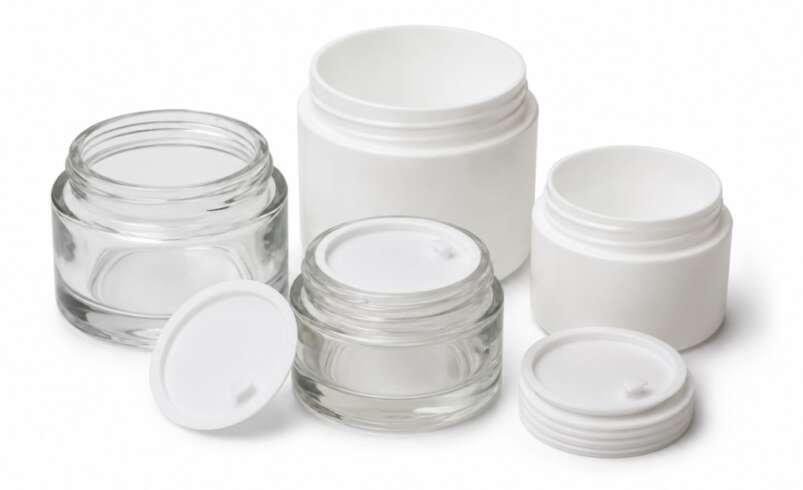
Cosmetic packaging must protect a formulation while remaining convenient for the person using it. Accessories Cosmetic Products includes white PP and HDPE insert lids developed for selected cosmetic jars. The current range covers components associated with compatible 30 ml, 50 ml and 100 ml formats.
An insert lid can create a useful internal barrier beneath the main cap, but its value depends on the complete packaging design. Jar dimensions, formulation consistency, user access, closure fit and storage conditions must all be considered together.
Why Does Product Access Matter in Cosmetic Packaging?
A package may protect its contents effectively but still be inconvenient to use. Thick creams, balms and pastes are normally removed with a finger, spatula or applicator, while lotions and serums may suit a pump or controlled dispensing closure.
Before selecting an insert lid, packaging teams should define:
- How the formulation will be removed
- How frequently the jar will be opened
- Whether an applicator will be included
- How easily the insert should be removed
- Whether the formulation can collect around the rim
- Whether the user will replace the insert after every use
- How the package will be stored
- Whether the product will travel in a bag or case
The insert should support the intended experience without becoming difficult to grip, contaminating the formulation or interfering with the outer cap.
When Is a Wide-Opening Jar Useful?
Wide-neck jars provide direct access to creams, waxes, masks, scrubs and other products that cannot be dispensed easily through a narrow opening. Containers in the Screw-Cap Can category include round HDPE jars in different capacities and thread formats.
A wide opening can simplify filling and reduce product remaining in the container. It also gives the user better access to high-viscosity formulations. However, every opening exposes a larger surface area to the surrounding environment.
An internal lid may help separate the formulation from the outer closure during normal storage. Compatibility still needs to be confirmed using the exact jar and insert references.
How Does Packaging Material Affect Product Presentation?
The appearance of a container can influence how users perceive the product before opening it. Transparent materials display colour and texture, while white or coloured containers can create a more uniform presentation.
The Pet Can range includes clear, white and brown containers in multiple capacities. PET and PETG can provide useful visibility and rigidity for compatible formulations, but transparency may be unsuitable where ingredients are sensitive to light.
Packaging material should be assessed for:
- Chemical compatibility
- Light transmission
- Oxygen and moisture movement
- Surface clarity
- Impact resistance
- Temperature tolerance
- Label adhesion
- Filled-product appearance
- Distribution weight
- Recycling requirements
A compatible insert lid may be manufactured from a different polymer from the jar. Both materials must remain stable throughout the intended shelf life.
What Role Does the Outer Closure Play?
An insert lid is not normally the primary threaded closure. The outer cap holds the package together and helps protect the jar during handling. The broader Bottle Closures category contains pumps, caps, applicators and other formats for different container systems.
The correct closure should match:
- Neck and thread dimensions
- Container sealing surface
- Insert-lid height
- Required liner
- Application torque
- Opening force
- Formulation chemistry
- Expected number of uses
- Packaging appearance
- Storage orientation
A cap that tightens does not necessarily create a reliable seal. Thread engagement, liner compression and contact with the insert must be evaluated on the assembled package.
Should Every Cosmetic Product Use a Jar?
No. A jar is useful when direct access is important, but other formats may offer better control for liquid or low-viscosity products. A package should be selected according to the formulation rather than using one style for an entire product range.
Products in the Folding Hinged Clasp category provide flip-top dispensing options for compatible bottles. These closures can allow repeated opening without removing the complete cap and may suit products intended to flow through a defined opening.
When comparing a jar with a flip-top bottle, consider:
- Formulation viscosity
- Required dose
- Risk of product drying around the opening
- One-handed use
- User hygiene
- Package orientation
- Cleaning of the dispensing area
- Suitability for travel
- Required closure strength
Insert lids are generally associated with jar-style packaging and should not be assumed to work with bottle closures.
When Is a Spray Format More Appropriate?
Sprays can be useful for selected toners, body products, cleaning formulations and low-viscosity cosmetic liquids. The Spray Gun category includes trigger-style components for compatible bottle threads.
A spray system differs substantially from a jar with an internal lid. It must be evaluated for spray pattern, output per stroke, tube length, priming behaviour and resistance to blockage.
Formulations containing suspended particles, high oil content or elevated viscosity may not perform reliably in a spray mechanism. Testing should also examine leakage, accidental activation and compatibility between the formulation and all wetted parts.
How Can an Insert Lid Improve First Opening?
The moment a jar is opened influences the user’s perception of cleanliness and quality. A properly seated internal lid can create a tidy separation between the product and the main cap.
To support consistent presentation:
- Fill each jar to the approved level
- Keep the rim free from formulation residue
- Avoid touching the product-contact side of the insert
- Position the insert evenly
- Use controlled pressure during application
- Confirm that the outer cap closes correctly
- Inspect the package for distortion
- Record component and formulation batches
An insert lid is not necessarily tamper-evident. If visible evidence of opening is required, a separate validated tamper-control feature may be necessary.
How Do Lids Differ Across Packaging Systems?
The Lids For Cans category contains screw caps and selected tamper-evident closure formats for compatible cans and jars. These are outer closures, while cosmetic insert lids sit internally beneath the primary cap.
Using both components may create a multi-part package consisting of:
- The jar
- The formulation
- The internal insert lid
- The main screw cap
- A liner where required
- A tamper-control feature
- A label or decoration
Each additional part increases the need for compatibility testing and production control. A change to one component may affect the performance of the others.
What Should Package Testing Include?
Packaging development should use the final formulation and intended filling conditions. An empty-container fit check is useful, but it cannot demonstrate shelf-life performance.
Testing may include:
- Insert application and removal
- Outer-cap torque
- Upright and inverted storage
- Temperature cycling
- Weight-loss monitoring
- Repeated consumer opening
- Leakage assessment
- Visual inspection
- Odour and colour transfer
- Drop and vibration testing
- Product stability
- Label and decoration resistance
Tests should reflect real distribution and consumer-use conditions. A successful short trial at room temperature does not guarantee reliable performance over the complete shelf life.
What Should Buyers Confirm Before Ordering?
A purchasing review should cover:
- Exact insert-lid reference
- PP or HDPE construction
- Compatible jar reference
- 30 ml, 50 ml or 100 ml format
- Opening and thread dimensions
- Required outer closure
- Formulation compatibility
- Insert-removal method
- Application equipment
- Storage temperature
- Product-contact documentation
- Batch traceability
- Required order quantity
Developing Packaging Around the User
Accessories Cosmetic Products can support cleaner handling and more controlled presentation when they are matched to the correct jar and formulation. Their role should be planned around how the product will be filled, opened, used and stored.
By comparing jar, flip-top and spray formats before final selection, packaging teams can choose a system suited to the formulation rather than appearance alone. Careful fit checks, compatibility testing and user trials help turn individual packaging components into a reliable and practical finished package.