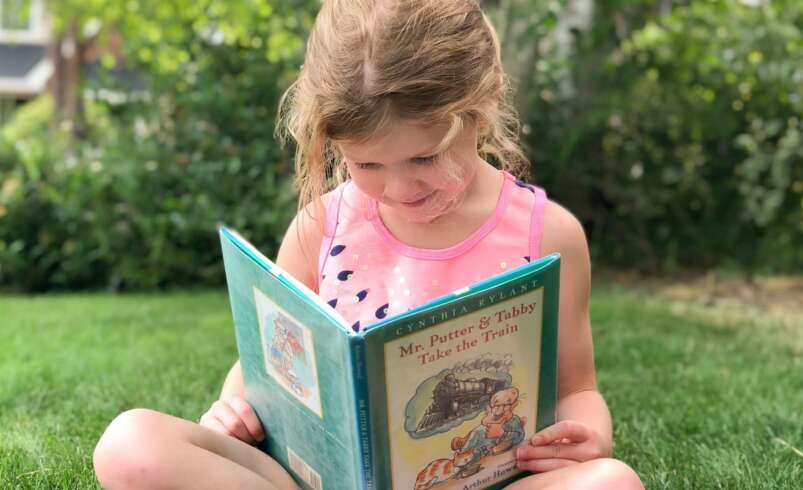

Reading is an important part of a child’s early development. It helps children learn new words, understand different ideas, and develop an interest in education. Books also encourage imagination and make learning more enjoyable. ScholarX supports students and young learners by providing useful educational resources that make studying easier and more engaging.
Why Reading Is Important for Children
Reading regularly helps children develop essential language and communication skills. When children explore different stories, they learn new vocabulary, improve sentence formation, and understand how to express their thoughts. These skills support their performance in school and everyday communication. A good kids’ book can also introduce children to interesting characters, exciting adventures, and valuable lessons. Storybooks encourage curiosity and help young readers develop a positive attitude toward learning.
How Books Improve Children’s Imagination
Children have active imaginations, and reading gives them opportunities to explore new worlds through stories. Fictional adventures, illustrated books, and educational stories allow young readers to imagine different situations and develop creative thinking. Books also encourage children to ask questions and think about what might happen next. This process improves their problem-solving abilities and helps them become more confident in sharing ideas.
Developing Better Reading Habits at an Early Age
Parents can help children develop regular reading habits by setting aside a specific time for reading every day. Starting with short stories and colourful picture books can make the experience enjoyable. Children should also be encouraged to choose books according to their interests. When reading feels interesting rather than compulsory, they are more likely to continue exploring different topics and stories.
The Role of Parents in Children’s Reading Development
Parents play an important role in developing children’s interest in books. Reading stories together, discussing characters, and asking simple questions can make reading a meaningful family activity. Parents can also visit libraries, provide age-appropriate reading materials, and encourage children to talk about what they have learned. These small activities help build confidence and improve comprehension skills. For more educational resources and helpful learning support, visit ScholarX or contact us to learn more.
Choosing the Right Books for Young Readers
Selecting suitable reading materials is important for keeping children interested. Parents should consider a child’s age, reading level, and personal interests when choosing books. Picture books are useful for younger children, while short stories and educational books can support developing readers. Books with simple language, colourful illustrations, and meaningful lessons can make learning more enjoyable.
How Reading Supports Academic Success
Regular reading strengthens concentration, memory, and understanding. Children who read frequently often become more comfortable with written language and develop better comprehension skills. These abilities can support learning in different subjects, including English, science, and social studies. Developing reading habits early can also prepare children for more advanced educational challenges.
Conclusion
Reading helps children develop language skills, creativity, imagination, and confidence. Parents and teachers can encourage these abilities by introducing interesting books and making reading a regular part of daily life. With suitable reading materials and consistent support, children can build strong learning habits that benefit their academic journey.
Frequently Asked Questions (FAQs)
1. Why should children read books regularly?
Regular reading improves vocabulary, communication, concentration, and imagination.
2. At what age should children start reading books?
Children can start exploring picture books during infancy with the help of their parents.
3. How can parents encourage children to read?
Parents can read stories together, provide interesting books, and create a daily reading routine.
4. What types of books are suitable for young children?
Picture books, short stories, educational books, and simple adventure stories are suitable choices.
5. How does reading improve academic performance?
Reading strengthens comprehension, vocabulary, memory, and language skills, supporting children’s learning across different subjects.