

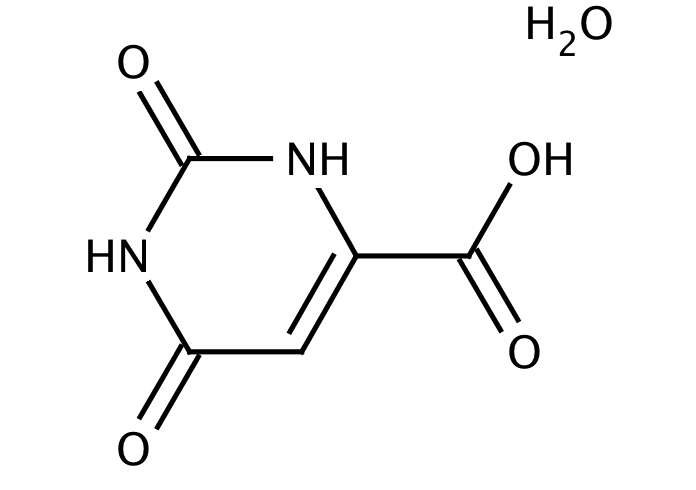

What Are Pyrimidines and Why Do They Matter?
Researchers explore Pyrimidines as nitrogen-containing heterocycles for medicinal chemistry, biochemical research, molecular design and speciality synthesis. The aromatic ring offers several positions for controlled substitution, helping chemists create compounds with varied properties. Pyrimidine chemistry also connects closely with DNA Synthesis workflows because cytosine and thymine contain this ring system. Careful selection of structure, purity and form supports reproducible reactions and application-specific studies.
How Is the Pyrimidine Ring Structured?
Pyrimidine has the molecular formula C4H4N2 and contains nitrogen atoms at positions 1 and 3 of a six-membered aromatic ring. This arrangement distinguishes it from pyridazine, which has adjacent nitrogen atoms, and pyrazine, which has nitrogens opposite each other. These positional differences affect electron distribution, basicity and reaction behaviour.
The pyrimidine ring is electron deficient compared with benzene. Substituted halopyrimidines can undergo nucleophilic aromatic substitution, while other derivatives may participate in cross-coupling, condensation or functional-group conversion. Amino, hydroxyl, thio, alkyl and halogen groups can alter polarity, solubility, tautomerism and reactivity, so the complete structure requires evaluation.
How Are Pyrimidine Bases, Nucleosides and Nucleotides Different?
The terms base, nucleoside and nucleotide describe related but distinct structures:
- A pyrimidine base contains the heterocyclic base structure, such as cytosine, thymine or uracil
- A nucleoside combines a base with a sugar but contains no phosphate group
- A nucleotide consists of a nucleoside with one or more phosphate groups
- A modified nucleoside or nucleotide contains additional structural changes for specialised research
DNA naturally uses cytosine and thymine as pyrimidine bases, whereas RNA uses cytosine and uracil. Researchers developing oligonucleotide methods can compare Nucleosides for DNA synthesis products for sequence-building workflows, while broader Nucleobases & Derivatives options support base chemistry, modification studies and synthetic planning.
Not every pyrimidine derivative is a nucleic acid component. Many are independent synthetic intermediates, fused heterocycles or research compounds designed for chemical transformation rather than biological incorporation.
Which Pyrimidine Derivatives Support Modern Research?
The pyrimidine family includes simple ring compounds and highly functionalised derivatives. Frequently studied groups include:
- Aminopyrimidines for medicinal and heterocyclic chemistry
- Hydroxypyrimidines and pyrimidinones with tautomeric behaviour
- Halopyrimidines that provide handles for substitution and coupling
- Thiopyrimidines containing sulfur-based functionality
- Pyrimidine carboxylic acids, esters and aldehydes for further conversion
- Fused pyrimidines that create rigid polycyclic scaffolds
- Pyrimidine nucleosides and nucleotides for biochemical studies
- Modified bases used in molecular recognition and labelling research
Each group behaves differently under reaction and analytical conditions. Position-specific naming and CAS verification are essential because closely related isomers can produce different outcomes.
Where Are Pyrimidines Used in Science and Industry?
Medicinal chemists investigate pyrimidine scaffolds when designing and optimising candidate molecules because the ring can support hydrogen-bonding interactions and varied substitution patterns. Pyrimidines also appear in established medicines, but this does not mean every derivative is pharmacologically active or suitable for therapeutic use. Biological performance requires compound-specific testing.
Agrochemical researchers use substituted pyrimidines when exploring crop-protection chemistry, while materials scientists may study selected derivatives in coordination chemistry, dyes or electronic materials. Academic laboratories use the scaffold for reaction development, heterocycle synthesis, structure-activity studies and mechanistic research.
Biochemical projects may require a wider selection of Nucleotides and Nucleosides for enzymatic, genetic or oligonucleotide studies. Complementary Reagents for Molecular Biology can support buffers, staining, preparation and general nucleic acid workflows around these applications.
How Are Pyrimidines Used in Organic Synthesis?
Pyrimidine rings can be assembled through cyclisation and condensation reactions involving suitable nitrogen and carbon precursors. Alternatively, researchers can start with a preformed ring and introduce functionality through substitution, coupling, oxidation, reduction or hydrolysis. Route choice depends on the desired substitution pattern, available starting materials, functional-group tolerance and scale.
Halogenated pyrimidines are especially useful when a leaving group enables selective nucleophilic substitution. Palladium-catalysed coupling may introduce aryl, heteroaryl or other fragments under compatible conditions. Researchers should optimise solvent, base, catalyst, temperature and reaction time for the exact substrate. Small-scale evaluation helps identify regioselectivity, conversion and purification challenges before scale-up.
What Should Buyers Check Before Selecting Pyrimidines?
Reliable procurement requires more than matching a familiar chemical name. Buyers should verify:
- Full compound name and structural drawing
- CAS number and molecular formula
- Ring substitution positions
- Base, nucleoside or nucleotide identity
- Salt, hydrate or solvate form
- Assay, purity and impurity information
- Physical form and solubility
- Storage temperature and stability requirements
- Safety data sheet and certificate of analysis availability
The required grade should match the application. Material suitable for early synthetic screening may not meet the needs of sensitive biochemical assays, analytical reference work or oligonucleotide preparation.
How Are Pyrimidine Compounds Analysed?
HPLC and LC-MS can assess identity, purity and related substances for many pyrimidine derivatives. NMR spectroscopy helps confirm ring substitution and molecular structure, while mass spectrometry verifies molecular mass. UV-visible methods may be useful for nucleobases and nucleosides because their conjugated rings absorb ultraviolet light.
Laboratories working with genetic workflows can use DNA-/RNA Analysis products to support broader detection, amplification and nucleic acid assessment procedures. Analytical methods must still be validated for the specific pyrimidine compound, sample matrix and research objective.
What Safety Practices Apply to Pyrimidines?
Hazards vary widely across pyrimidine bases, halogenated intermediates, nucleosides and other derivatives. Personnel should consult the current safety data sheet, complete a substance-specific risk assessment and use appropriate ventilation, eye protection, gloves and protective clothing. Storage, spill control and waste disposal must follow the documented requirements for the exact compound and local laboratory regulations.
How Does Accurate Pyrimidine Selection Improve Results?
Accurate selection helps researchers align chemical identity, reactivity, purity and documentation with their intended workflow. Distinguishing a base from a nucleoside or nucleotide prevents procurement errors, while confirming substitution position and physical form supports reliable synthesis. With appropriate analysis and safety controls, pyrimidine compounds can advance reproducible research across medicinal chemistry, molecular biology, biochemistry and materials science.