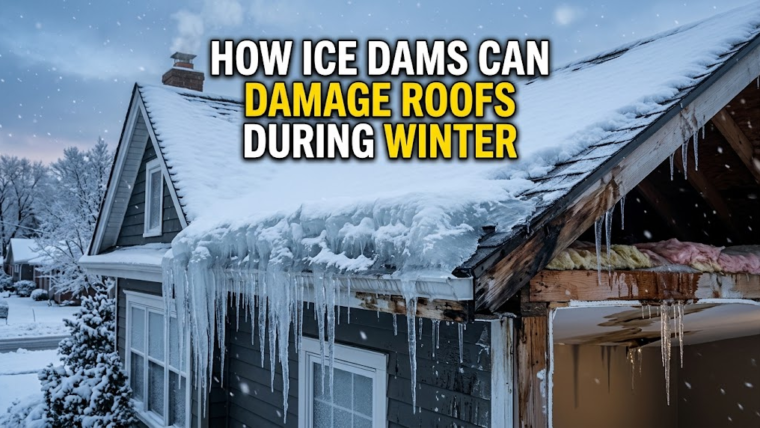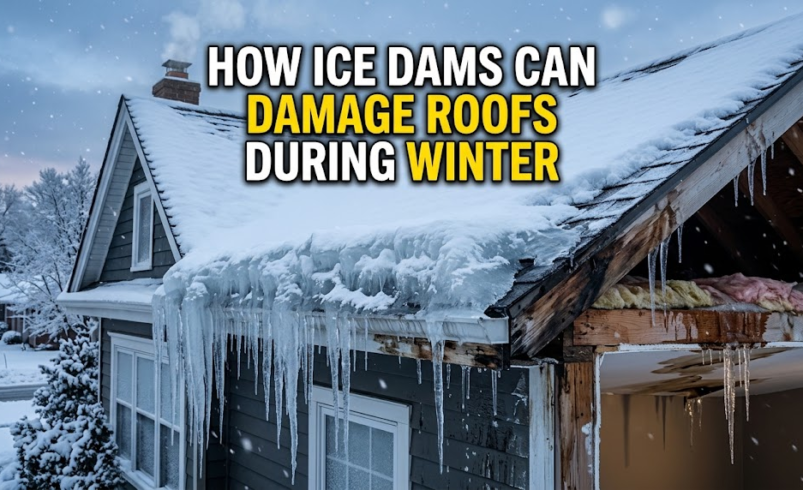

Winter weather can create several challenges for homeowners, and ice dams are among the most damaging roofing problems that often go unnoticed until water begins entering the home. When snow accumulates on a roof and temperatures fluctuate, ice can form along the roof edges, preventing melting snow from draining properly. Over time, trapped water can work its way beneath shingles, damage roofing materials, and cause expensive interior problems.
Understanding how ice dams develop and why they are dangerous can help homeowners take preventive steps before winter damage becomes serious. Working with experienced Roofing Contractors Bronxville can also help identify roofing weaknesses, improve attic ventilation, and address conditions that make ice dams more likely to form. Knowing what to look for is the first step toward protecting your roof throughout the colder months.
What Are Ice Dams and How Do They Form?
An ice dam is a thick ridge of ice that develops along the lower edge of a roof, usually near the gutters or eaves. It forms when snow on the warmer upper portion of the roof melts and the resulting water flows toward colder roof edges. When that water reaches a freezing area, it turns into ice.
As this process continues, additional melting snow becomes trapped behind the growing ice barrier. Instead of draining naturally into the gutters and away from the house, water collects on the roof surface.
Ice dams are particularly common during winter when outdoor temperatures repeatedly rise above and fall below freezing. However, weather conditions are only part of the problem. Heat escaping from the home through the attic can make certain roof areas warmer than others, encouraging uneven snow melting.
How Ice Dams Can Damage Your Roof During Winter
Ice dams can affect more than the appearance of your roof. They create conditions that allow moisture to enter areas that are normally protected by roofing materials.
1. Water Can Get Beneath Roof Shingles
One of the most serious problems caused by ice dams is water infiltration beneath shingles.
Roofing shingles are designed to shed water flowing downward. However, when an ice dam blocks drainage, water can accumulate behind the ice ridge. As the water level rises, it may move underneath shingles and reach the roof decking.
Even a relatively small amount of trapped water can create problems when exposure continues for several days. Moisture may gradually weaken protective layers and create pathways for leaks.
2. Roof Decking Can Develop Moisture Damage
The roof decking is the structural surface beneath the shingles. It is commonly made from plywood or oriented strand board (OSB), both of which can be affected by prolonged moisture exposure.
When water enters beneath the roofing materials, it can soak into the decking. Repeated exposure may cause the wood to swell, soften, warp, or deteriorate.
Over time, damaged decking may lose some of its strength and require repair or replacement before new roofing materials can be installed.
3. Shingles May Become Loose or Damaged
Ice dams can contribute to shingle damage, especially when trapped moisture repeatedly freezes and thaws.
Water entering small gaps beneath shingles can freeze during colder temperatures. As it expands, it may put pressure on nearby roofing materials. Repeated freeze-thaw cycles can loosen shingles, damage their edges, and weaken the roof’s protective surface.
Homeowners may notice curling shingles, lifted edges, or missing pieces after a particularly harsh winter.
4. Gutters and Downspouts Can Become Damaged
Ice dams frequently develop near roof edges, making gutters and downspouts vulnerable to winter damage.
When water freezes inside gutters, expanding ice adds considerable weight. The additional pressure can pull gutters away from fascia boards, loosen brackets, or cause sections to bend.
Downspouts can also become blocked by ice, preventing water from draining properly. When temperatures rise, the accumulated water may overflow and collect near the home’s foundation.
5. Roof Flashing and Seals Can Weaken
Roof flashing protects vulnerable areas where roofing surfaces meet chimneys, skylights, vents, and walls.
Ice dams can allow water to remain around these locations longer than usual. If flashing is already loose, improperly installed, or deteriorated, trapped moisture may find its way beneath the roofing system.
Repeated freezing and thawing can also place stress on existing seals and joints. This makes properly maintained flashing especially important during winter.
How Ice Dams Cause Interior Damage
The damage caused by ice dams does not always remain limited to the roof. Once water passes through the roofing system, it can affect several areas inside the house.
Ceiling and Wall Water Stains
Water entering through the roof may travel along rafters, insulation, and other structural components before becoming visible.
Homeowners might notice yellow or brown stains on ceilings, peeling paint, bubbling drywall, or damp patches near exterior walls.
These signs should never be ignored because visible stains may indicate a larger moisture problem above the finished surface.
Wet Insulation and Reduced Energy Efficiency
Attic insulation helps maintain comfortable indoor temperatures by limiting heat transfer between the living space and the roof.
When water from an ice dam reaches the insulation, it can reduce its effectiveness. Wet insulation may become compressed, lose some of its insulating ability, and take a long time to dry.
This can make it harder to maintain indoor temperatures and may increase heating costs during winter.
Mold and Mildew Growth
Persistent moisture creates favorable conditions for mold and mildew.
If water remains trapped inside attic insulation, wall cavities, or ceiling materials, mold may begin developing. Besides damaging building materials, indoor mold can negatively affect indoor air quality.
Properly addressing the original leak and thoroughly drying affected materials are essential to preventing recurring problems.
Damage to Wood Framing
Roof framing, rafters, and other wooden components can deteriorate when exposed to moisture over extended periods.
Although one isolated leak may not immediately cause structural failure, repeated water intrusion can contribute to wood rot and weakening.
A professional inspection can help determine whether moisture has affected the structural components of the roof.
Common Warning Signs of Ice Dam Problems
Recognizing early warning signs can help homeowners address ice dams before they cause extensive damage.
Watch for these common indicators:
- Large ice formations along roof edges: Thick ridges of ice near the eaves may indicate that melting snow is refreezing before reaching the gutters.
- Heavy icicles: Large icicles can suggest water is repeatedly melting and freezing near the roofline, although they do not always mean an ice dam is present.
- Water stains on ceilings: Brown marks, damp patches, or peeling paint may indicate water entering through the roof.
- Blocked gutters: Gutters filled with ice can prevent proper drainage and increase the risk of water accumulation.
- Uneven snow melting: Bare roof sections surrounded by thick snow may indicate uneven roof temperatures.
- Damp attic insulation: Wet or compressed insulation can be a sign of moisture entering through the roof.
If you notice any of these conditions, consider arranging a roof inspection rather than waiting for the problem to become more serious.
How Homeowners Can Prevent Ice Dams
Preventing ice dams is generally easier and less expensive than repairing the damage they can cause. The best approach involves controlling attic temperatures, improving ventilation, and maintaining the roof before winter arrives.
Improve Attic Insulation
Proper attic insulation helps prevent warm indoor air from heating the roof surface.
When the attic is adequately insulated, less heat escapes into the roof structure, allowing snow to remain more evenly distributed across the roof.
Check insulation levels before winter and address areas where insulation is missing, compressed, or unevenly installed.
Pay particular attention to attic floors, ceiling openings, and areas around access panels.
Maintain Proper Attic Ventilation
Ventilation allows outdoor air to move through the attic, helping remove excess heat and moisture.
A properly designed ventilation system can help maintain more consistent roof temperatures during winter.
Common ventilation components include soffit vents, ridge vents, and gable vents. However, these components must work together effectively. Blocked soffit vents or poorly balanced ventilation can reduce airflow.
Seal Air Leaks From Living Spaces
Warm air escaping through ceiling openings is a major contributor to uneven roof temperatures.
Common sources of air leakage include:
- Attic access doors
- Recessed lighting openings
- Plumbing penetrations
- Bathroom exhaust fan connections
- Electrical wiring openings
- Gaps around chimneys and other ceiling penetrations
Sealing these areas helps reduce heat loss and limits warm, moist air entering the attic.
Bathroom and kitchen exhaust fans should also discharge outdoors rather than into the attic.
Keep Gutters Clean
Although clean gutters cannot prevent every ice dam, removing leaves, branches, and other debris helps maintain proper drainage.
Before winter arrives, inspect gutters and downspouts to make sure water can flow freely.
Repair loose gutter brackets and replace damaged sections where necessary. Also, make sure downspouts direct water away from the home’s foundation.
Remove Excess Snow Safely
Reducing heavy snow accumulation near roof edges can help limit the amount of water available to feed an ice dam.
A roof rake with an extended handle can sometimes be used from the ground to remove snow from accessible roof sections.
However, homeowners should avoid climbing onto icy roofs or using sharp tools to break apart ice. Doing so can damage shingles and create serious safety hazards.
For difficult situations, professional assistance is the safer option.
When Should You Call a Roofing Professional?
Not every ice dam requires major roof repairs, but certain situations deserve immediate attention.
Contact a roofing professional if you notice water entering your home, damaged shingles, sagging gutters, recurring ice dams, or visible deterioration around roof edges.
An experienced contractor can inspect the roof surface, flashing, drainage system, and other vulnerable areas to determine whether repairs are necessary.
Homeowners looking for reliable guidance from Roofing Contractors Montrose should consider asking about attic insulation, ventilation improvements, and protective measures designed to reduce winter moisture problems.
A thorough inspection should also examine the attic for damp insulation, water stains, and signs of wood deterioration. Addressing these underlying issues is important because simply removing visible ice does not solve the conditions that caused it.
Why Professional Ice Dam Removal Matters
Removing an ice dam may seem like a straightforward task, but doing it incorrectly can create additional problems.
Using hammers, sharp tools, or excessive force to break ice can damage shingles, flashing, gutters, and other roofing components. Applying hot water may temporarily melt ice, but the water can quickly refreeze in colder areas.
Professional contractors understand how to assess the situation and select appropriate removal methods.
Depending on the conditions, they may recommend specialized steam removal or other controlled techniques that minimize damage to the roofing system.
They can also investigate why the ice dam formed in the first place and recommend long-term improvements.
This combination of safe removal and preventive maintenance helps reduce the likelihood of similar problems returning during the next winter season.
Conclusion
Ice dams can cause significant winter roofing problems, from damaged shingles and leaking ceilings to wet insulation, deteriorating wood, and gutter failures. The good news is that many of these issues can be prevented through proper attic insulation, balanced ventilation, regular roof maintenance, and early attention to warning signs. Homeowners should avoid attempting dangerous ice removal methods and seek professional help when ice buildup or water intrusion becomes a concern. Taking preventive steps before winter arrives can protect your roof, preserve your home’s structure, and reduce unexpected repair expenses. For homeowners planning seasonal maintenance or addressing exterior property concerns, JLL Painting can be a helpful resource when considering broader home improvement needs alongside a properly maintained roofing system.
Frequently Asked Questions (FAQs)
1. Can ice dams cause permanent roof damage?
Yes. If ice dams allow water to repeatedly enter beneath shingles, they can damage roof decking, insulation, flashing, and wooden framing. Prolonged moisture exposure may also lead to wood rot and mold growth. Early detection and proper repairs help prevent long-term damage.
2. Do ice dams always cause roof leaks?
No. An ice dam does not automatically result in a leak. However, when trapped water accumulates behind the ice barrier, it can move beneath shingles and enter the roofing system. The likelihood of a leak depends on roof condition, waterproofing protection, and the amount of trapped water.
3. Can cleaning gutters prevent ice dams?
Cleaning gutters helps maintain proper drainage, but it does not completely prevent ice dams. Most ice dams develop because of uneven roof temperatures caused by heat escaping into the attic. Proper insulation, air sealing, and ventilation are more effective long-term prevention measures.
4. What is the safest way to remove an ice dam?
Professional steam removal is one of the safer methods for removing established ice dams because it can clear ice without the aggressive scraping associated with hand tools. Homeowners should avoid climbing onto icy roofs, chipping ice with sharp objects, or using excessive force that could damage roofing materials.