

Every successful industrial project depends on efficient movement. Materials, machinery, tools, and operational resources must travel safely between locations to maintain productivity and meet project deadlines. While many organizations focus on production capabilities, transportation systems often determine how effectively operations perform in real-world environments.
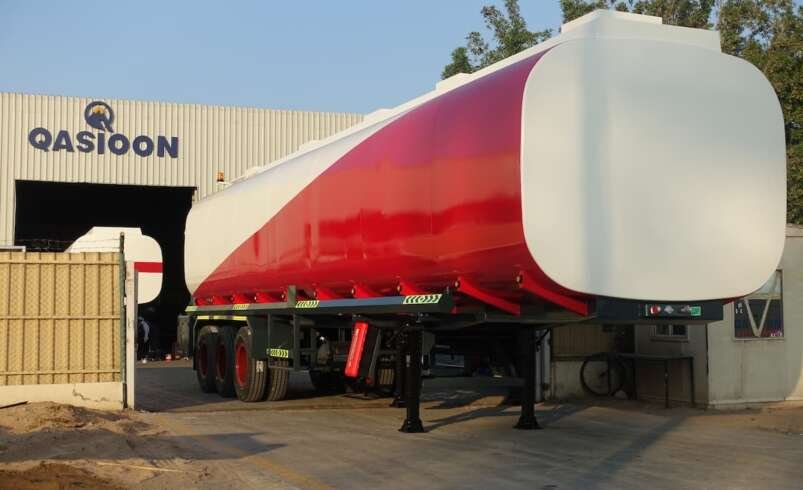
In recent years, businesses have placed greater emphasis on specialized hauling equipment designed to handle demanding workloads and challenging operating conditions. Solutions such as the Draw Bar Trailer UAE have become valuable assets for industries seeking dependable transportation performance across construction sites, infrastructure developments, manufacturing facilities, and energy-related operations.
Why Transportation Matters More Than Ever
Industrial projects have become increasingly complex. Large-scale developments involve multiple stakeholders, strict schedules, and extensive material requirements. Any delay in transportation can create a chain reaction that impacts productivity and increases costs.
Efficient transportation systems ensure that resources arrive where they are needed at the right time. This reliability helps organizations maintain smoother workflows while reducing operational disruptions.
Businesses that prioritize transportation planning often experience improved project coordination and stronger overall performance.
Creating Stronger Supply Chains
A well-managed supply chain depends on effective transportation. Every component within a project must move efficiently from suppliers to operational sites.
Specialized hauling equipment contributes to stronger supply chain performance by supporting safe and reliable transportation across various distances and environments.
The Benefits of Purpose-Built Equipment
Industrial transportation requirements differ significantly from standard logistics needs. Heavy machinery, oversized components, and specialized materials require equipment specifically designed for such tasks.
Purpose-built transportation solutions offer several advantages:
- Improved load stability
- Enhanced operational flexibility
- Better weight distribution
- Increased durability
- Greater safety performance
These features allow organizations to handle demanding transportation challenges while maintaining productivity.
Supporting Diverse Industries
Transportation equipment serves a wide range of sectors. Construction projects require movement of building materials. Manufacturing facilities transport machinery and components. Infrastructure developments depend on efficient logistics to maintain progress.
The ability to adapt to different applications makes specialized hauling systems an essential part of modern industrial operations.
Enhancing Productivity Through Better Logistics
Productivity is directly linked to transportation efficiency. When materials arrive late or equipment becomes unavailable, project schedules can quickly fall behind.
Modern transportation solutions help businesses improve operational performance by reducing delays and supporting more efficient resource management.
Reliable equipment enables organizations to plan with greater confidence while maintaining consistent workflow continuity.
Reducing Downtime
Downtime represents one of the most significant challenges in industrial environments. Equipment failures, logistical disruptions, and transportation delays can create costly interruptions.
Investing in reliable transportation assets helps reduce these risks by improving operational dependability and minimizing unexpected breakdowns.
Safety as a Business Priority
Safety remains a fundamental consideration in industrial transportation. Moving heavy loads requires equipment that can operate consistently while protecting personnel and valuable assets.
Modern transportation systems incorporate design features that support safe operation under demanding conditions. Reinforced structures, stable load distribution, and reliable performance characteristics all contribute to safer work environments.
Organizations that prioritize safety often benefit from improved productivity and stronger operational confidence.
The Importance of Preventive Maintenance
Regular maintenance plays a crucial role in transportation safety. Inspections help identify wear, damage, or performance issues before they develop into larger problems.
A proactive maintenance strategy supports equipment reliability while extending service life and reducing long-term costs.
Adapting to Challenging Operating Conditions
Industrial projects frequently take place in environments that place significant demands on transportation equipment. High temperatures, rough terrain, dust exposure, and continuous operation require durable solutions capable of maintaining performance under pressure.
Specialized hauling equipment is engineered to withstand these challenges while delivering dependable results.
Durability and Long-Term Value
Durability contributes directly to return on investment. Equipment that performs reliably over many years helps organizations reduce replacement costs and improve operational efficiency.
Businesses that focus on quality often achieve stronger financial outcomes because durable assets continue delivering value throughout their lifecycle.
Technology and the Future of Transportation
Technological advancements are transforming industrial transportation. Organizations now have access to improved monitoring systems, better maintenance planning tools, and enhanced operational visibility.
These innovations help businesses optimize equipment utilization while improving decision-making processes.
Technology also supports better resource allocation, allowing organizations to maximize productivity and reduce inefficiencies.
Building Smarter Logistics Strategies
Successful logistics operations require more than equipment alone. Effective planning, skilled personnel, and continuous performance evaluation contribute to stronger transportation outcomes.
Organizations that embrace data-driven strategies are often better positioned to adapt to changing operational requirements.
Sustainability and Operational Responsibility
Sustainability has become an important consideration across industrial sectors. Efficient transportation practices help reduce resource consumption while supporting broader environmental goals.
Optimized routing, effective load management, and reliable equipment all contribute to more sustainable operations.
Conclusion
Industrial transportation remains one of the most important foundations of modern business operations. Reliable hauling solutions support project success by improving efficiency, enhancing safety, and ensuring resources move where they are needed without unnecessary delays.
As industries continue to evolve, organizations must invest in equipment and systems capable of meeting future demands. Alongside transportation assets, sectors such as the Pressure Vessel Manufacturer industry continue to contribute significantly to industrial development by providing engineered solutions that support operational reliability, safety, and long-term performance.