
Introduction
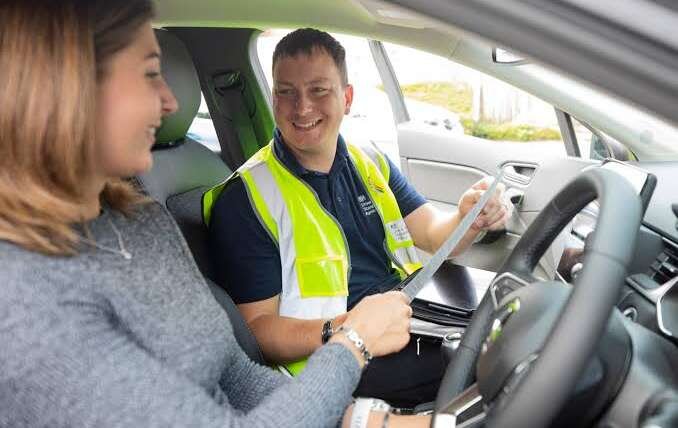
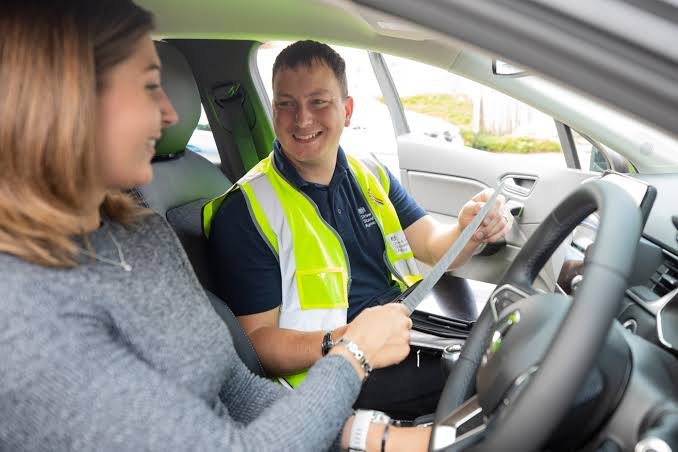
One of the most common questions learner drivers ask before booking their practical examination is, “How long does a driving test take?” Knowing the expected duration can help you prepare mentally, organise your schedule and feel more confident on the day. Whether you are taking your first driving test or retaking it after an unsuccessful attempt, understanding the process can make the experience less stressful.
In the UK, a standard practical car driving test usually takes around 40 minutes, while an extended driving test can take approximately 70 minutes. However, the entire appointment may take longer when you include arriving at the test centre, checking your documents, completing eyesight checks and receiving your result.
This guide explains how long does a driving test takes, what happens during the examination and how you can prepare to give yourself the best chance of passing.
How Long Does a Driving Test Take in the UK?
A standard UK practical driving test generally lasts approximately 40 minutes. During this time, the examiner assesses your ability to operate a vehicle safely, follow road rules and respond appropriately to different traffic situations.
The test is designed to evaluate whether you can drive independently and confidently without putting yourself or other road users at risk.
Here is an approximate breakdown of the test:
| Driving test stage | Approximate duration |
|---|---|
| Eyesight check and vehicle safety questions | 5 minutes |
| General driving | 20 minutes |
| Independent driving | 20 minutes |
| Final feedback and result | 2–5 minutes |
These timings are approximate rather than fixed. Some activities overlap, and the exact duration can vary depending on traffic conditions and the test route.
How Long Does an Extended Driving Test Take?
An extended practical driving test can take approximately 70 minutes. It is generally required for certain drivers who have been disqualified and must complete an extended examination before regaining their full driving entitlement.
Unlike a standard test, an extended examination provides more time for the examiner to assess driving ability, road awareness and decision-making.
Drivers should check their individual requirements with the Driver and Vehicle Standards Agency (DVSA) before booking.
What Happens During a Driving Test?
Understanding each stage of the practical examination can help you feel more comfortable and prepared.
1. Eyesight Check
The test usually begins with an eyesight assessment. You will be asked to read a vehicle registration number from a specified distance.
For a standard UK driving test, you must be able to read a number plate from:
-
20 metres for a new-style number plate.
-
20.5 metres for an old-style number plate.
If you cannot meet the eyesight requirement, your test will not continue.
2. Vehicle Safety Questions
The examiner will ask you two vehicle safety questions, commonly known as “show me, tell me” questions.
A tell me question requires you to explain how you would carry out a particular safety check. A show me question asks you to demonstrate a vehicle control while driving, when it is safe to do so.
Examples include explaining how to check engine oil levels, demonstrating how to wash the windscreen and showing how to operate the rear demister.
Learning these questions beforehand can help you avoid unnecessary mistakes.
3. General Driving
The examiner will assess your ability to drive safely in different road conditions.
You may encounter:
-
Residential streets.
-
Busy urban roads.
-
Junctions and roundabouts.
-
Pedestrian crossings.
-
Traffic lights.
-
Dual carriageways, where appropriate.
The examiner will look at your observation, positioning, speed control, signalling and decision-making.
You should demonstrate that you can respond safely to changing road conditions rather than simply following instructions.
4. Independent Driving
Independent driving usually lasts around 20 minutes. During this section, you will follow directions from a sat nav or traffic signs.
The purpose is to determine whether you can make safe decisions without receiving continuous instructions from another person.
You may need to navigate unfamiliar roads, follow road signs and respond to unexpected situations.
Remember that taking a wrong turn does not automatically mean you have failed. The examiner is primarily interested in whether you continue driving safely.
5. Manoeuvres
You will be asked to complete one reversing manoeuvre during the practical test.
Possible manoeuvres include:
-
Parallel parking at the side of the road.
-
Parking in a bay, either driving in and reversing out or reversing in and driving out.
-
Pulling up on the right-hand side of the road, reversing for approximately two car lengths and rejoining traffic.
You may also be asked to perform an emergency stop in some tests.
The examiner will assess your control, observation and awareness of other road users.
Does Traffic Affect How Long a Driving Test Takes?
Yes. Traffic conditions can influence the actual time required to complete a driving examination.
For example, heavy traffic may slow your progress, while quieter roads can allow you to complete certain sections more quickly.
Other factors include:
-
Roadworks and temporary diversions.
-
Weather conditions.
-
Unexpected hazards.
-
Pedestrian activity.
-
Busy junctions and roundabouts.
-
Delays caused by road incidents.
Examiners must still assess the required driving skills. A slower journey does not necessarily mean you have performed poorly.
How Long Should You Allow for Your Driving Test Appointment?
Although the standard practical test takes approximately 40 minutes, it is sensible to allow around one hour for the appointment.
Arriving early gives you time to settle down, prepare your documents and check that your vehicle is ready.
Consider the following preparation checklist:
-
Arrive at the test centre around 10–15 minutes early.
-
Bring your valid UK provisional driving licence.
-
Make sure your vehicle meets test requirements.
-
Check that your insurance covers the driving test.
-
Ensure your car has suitable tyres, working lights and functioning seatbelts.
-
Avoid rushing immediately before your appointment.
If you are using your instructor’s vehicle, confirm the arrangements in advance.
How Can You Prepare for a Driving Test?
Good preparation can improve your confidence and help you demonstrate safe driving skills.
Practise regularly: Consistent driving practice helps develop better vehicle control, observation and hazard awareness.
Understand road signs: Familiarise yourself with UK road traffic signs, including warning, regulatory and information signs.
Learn manoeuvres: Practise parking and reversing until you can complete them safely and confidently.
Take mock driving tests: A mock examination can help you understand the test format and identify areas that need improvement.
Manage test-day nerves: Get enough sleep, eat appropriately and arrive with plenty of time.
Listen carefully: Follow the examiner’s instructions and ask for clarification if you do not understand something.
What Happens After Your Driving Test?
At the end of the examination, your examiner will explain whether you have passed or failed.
If you pass, you will receive a pass certificate and can arrange to have your full driving licence issued.
If you do not pass, the examiner will explain the mistakes made during the test. You can use this feedback to identify weaknesses and improve before booking another appointment.
For a standard UK car driving test, you can usually book another attempt after waiting at least 10 working days.
Frequently Asked Questions
1. Is a driving test exactly 40 minutes?
No. A standard UK practical driving test usually lasts around 40 minutes, but the actual duration can vary depending on traffic and other circumstances.
2. Can a driving test finish early?
Yes. A test may finish earlier in certain circumstances, such as when a serious or dangerous driving fault makes it unsafe to continue.
3. How long is the independent driving section?
Independent driving normally lasts approximately 20 minutes during a standard UK practical driving test.
4. How early should I arrive for my driving test?
Aim to arrive around 10–15 minutes before your scheduled appointment. This gives you enough time to prepare without feeling rushed.
5. Does a longer driving test mean it is harder?
Not necessarily. An extended test provides additional time for assessment, but its purpose is to evaluate your driving ability over a longer period.
6. How long does it take to receive driving test results?
Your examiner will normally tell you the result immediately after the practical examination and explain any faults recorded.
Conclusion
So, how long does a driving test take? In the UK, a standard practical car driving test usually lasts around 40 minutes, while an extended test can take approximately 70 minutes. The appointment may take longer when preparation and feedback are included.
The most important thing is not how quickly you complete the examination but how safely and confidently you drive. Regular practice, understanding road signs, mastering manoeuvres and managing test-day nerves can all improve your chances of success.
Prepare properly, follow the examiner’s instructions and focus on demonstrating safe driving habits. With the right preparation and experience, you can approach your practical driving test with greater confidence.