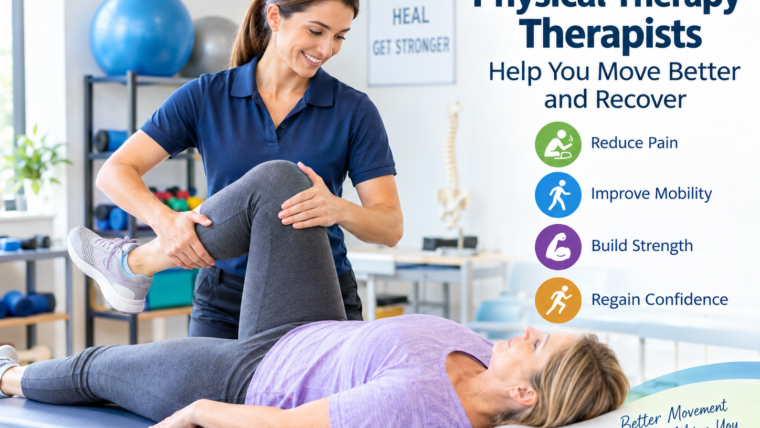

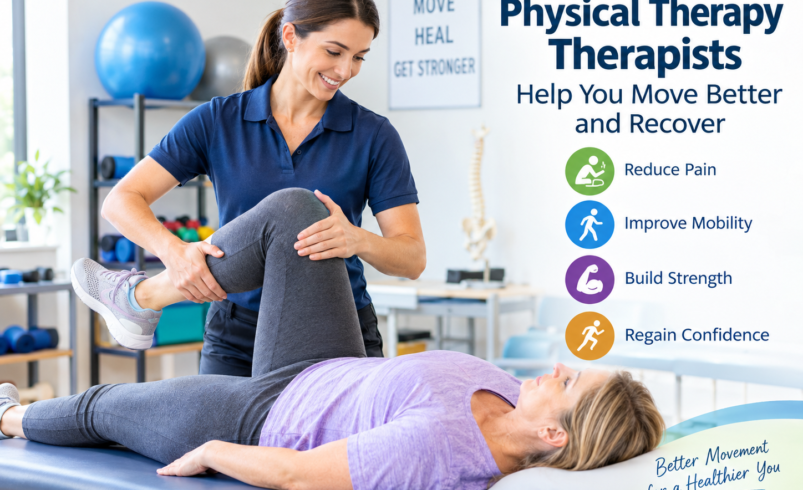

Pain, stiffness, weakness, or limited movement can make everyday activities harder than they should be. Whether the problem started after an injury, surgery, sports activity, or gradually developed over time, getting the right support can make a meaningful difference. Physical therapy therapists work with people to improve movement, manage pain, rebuild strength, and regain confidence in physical activities.
Physical therapy focuses on more than treating a painful area. A therapist looks at how the body moves and identifies factors that may be contributing to discomfort or reduced mobility. Based on this assessment, treatment can be adjusted to the person’s condition, goals, and level of physical ability.
When Should You Consider Physical Therapy?
Many people wait until pain becomes severe before seeking professional help. However, physical therapy may be useful earlier in the recovery process. Common reasons people seek treatment include back pain, neck discomfort, joint stiffness, muscle weakness, balance problems, and injuries affecting normal movement.
Physical therapy may also help after procedures such as joint replacement or other orthopedic surgeries. A structured rehabilitation program can help patients gradually rebuild strength and return to normal activities while following appropriate recovery guidelines.
Some common situations that may benefit from physical therapy include:
- Sports and exercise-related injuries
- Back and neck pain
- Shoulder, knee, hip, or ankle problems
- Muscle strains and sprains
- Reduced flexibility and joint mobility
- Recovery after surgery
- Balance and coordination difficulties
- Age-related mobility changes
- Repetitive-use injuries
- Difficulty returning to normal physical activities
The appropriate treatment depends on the underlying problem, medical history, physical condition, and individual goals.
What Happens During a Physical Therapy Assessment?
The first appointment typically involves an evaluation of movement and physical function. The therapist may ask questions about symptoms, previous injuries, daily activities, and challenges you are experiencing.
They may also assess areas such as:
- Range of motion
- Muscle strength
- Flexibility
- Balance
- Posture
- Walking or movement patterns
- Joint mobility
- Pain during specific movements
This information helps the therapist understand what may be limiting function. Instead of using exactly the same approach for everyone, treatment can be tailored to the person’s needs.
For example, someone recovering from a knee injury may need exercises that gradually restore leg strength and stability. Someone dealing with persistent back discomfort may need a different combination of mobility exercises, strengthening, posture education, and movement strategies.
How Physical Therapy Can Support Pain Management
Pain can sometimes lead people to avoid movement because they are worried about making the problem worse. Unfortunately, prolonged inactivity can contribute to stiffness, weakness, and reduced physical function in some situations.
Physical therapy can provide strategies for moving more safely and comfortably. Depending on the condition, treatment may include therapeutic exercises, stretching, manual techniques, movement education, and other clinically appropriate approaches.
The goal is not simply to make symptoms feel better temporarily. A broader objective is to improve physical function and address factors that may contribute to recurring problems.
Patients can also learn how to modify certain activities, improve body mechanics, and gradually increase physical demands without rushing the recovery process.
The Importance of Therapeutic Exercise
Exercise is often an important part of rehabilitation. However, effective therapeutic exercise is different from simply exercising at a gym.
A physical therapist can select exercises based on the person’s current abilities and recovery goals. The difficulty can then be adjusted as strength, mobility, and endurance improve.
A rehabilitation program may include:
- Strengthening exercises
- Flexibility exercises
- Balance training
- Mobility exercises
- Core stabilization
- Functional movement practice
- Endurance activities
Performing exercises correctly is important. Poor technique, excessive resistance, or progressing too quickly may place unnecessary stress on an injured area. Patients should follow the exercise instructions provided by their healthcare professional and report significant changes in symptoms.
Supporting Recovery After an Injury
Returning to normal activities too quickly after an injury can create challenges, while avoiding movement for too long may also affect physical function. Physical therapy can help create a gradual pathway between injury and everyday activity.
For athletes, rehabilitation may include sport-specific movements and exercises designed around the physical demands of their activity. For someone recovering from a workplace or household injury, treatment may focus more on safely performing daily tasks.
The recovery process can vary significantly from one person to another. Factors such as the type of injury, overall health, severity of symptoms, treatment consistency, and individual goals can all influence progress.
Improving Mobility and Everyday Function
Mobility affects much more than exercise. Simple tasks such as climbing stairs, getting out of a chair, carrying groceries, walking, or reaching overhead can become difficult when strength or movement is limited.
Physical therapy therapists can help patients work toward better functional movement. Instead of focusing only on isolated muscles or joints, treatment may incorporate movements that relate directly to daily life.
This practical approach can help patients understand how rehabilitation connects to the activities they want to perform comfortably and confidently.
Why a Personalized Treatment Plan Matters
There is no single rehabilitation program that works for everyone. Two people may have similar symptoms but require different approaches because their physical abilities, lifestyles, medical histories, and goals are different.
A personalized plan may change throughout the recovery process. Exercises can become more challenging as strength improves, while certain activities may be modified if symptoms change.
Following the recommended plan consistently can also help patients make steady progress. Communication matters as well. Patients should tell their therapist about increased pain, new symptoms, difficulty completing exercises, or changes in their daily activities.
How to Get More From Physical Therapy
Patients can take several practical steps to make rehabilitation more productive. Attend scheduled appointments, follow home exercise instructions, ask questions when something is unclear, and communicate honestly about symptoms.
It is also helpful to understand that recovery is often gradual. Improvement may not happen at exactly the same pace every day. Consistency and appropriate progression are generally more useful than trying to achieve too much too quickly.
Good sleep, appropriate nutrition, and following other medical recommendations may also support overall recovery, depending on the individual’s circumstances.
Choosing the Right Physical Therapy Support
When looking for physical therapy care, consider whether the provider offers services appropriate for your condition and goals. It can be helpful to ask about the evaluation process, treatment options, home exercises, expected milestones, and how progress will be monitored.
A qualified professional should also be willing to explain the purpose of recommended treatments and help you understand what you can do between appointments.
If pain, weakness, stiffness, or limited mobility is interfering with everyday life, discussing the problem with an appropriate healthcare professional can help determine whether physical therapy may be suitable. Early attention to movement problems may provide an opportunity to address limitations before they become more disruptive.
Moving Toward Better Physical Function
Physical therapy is ultimately about helping people improve how they move and function. Whether recovery involves an injury, surgery, chronic discomfort, or reduced mobility, a structured approach can provide useful tools for rebuilding strength and confidence.
Physical therapy therapists combine assessment, movement training, therapeutic exercise, education, and individualized rehabilitation strategies to help patients work toward their physical goals. With the right plan and consistent participation, rehabilitation can become a practical step toward returning to the activities that matter most.