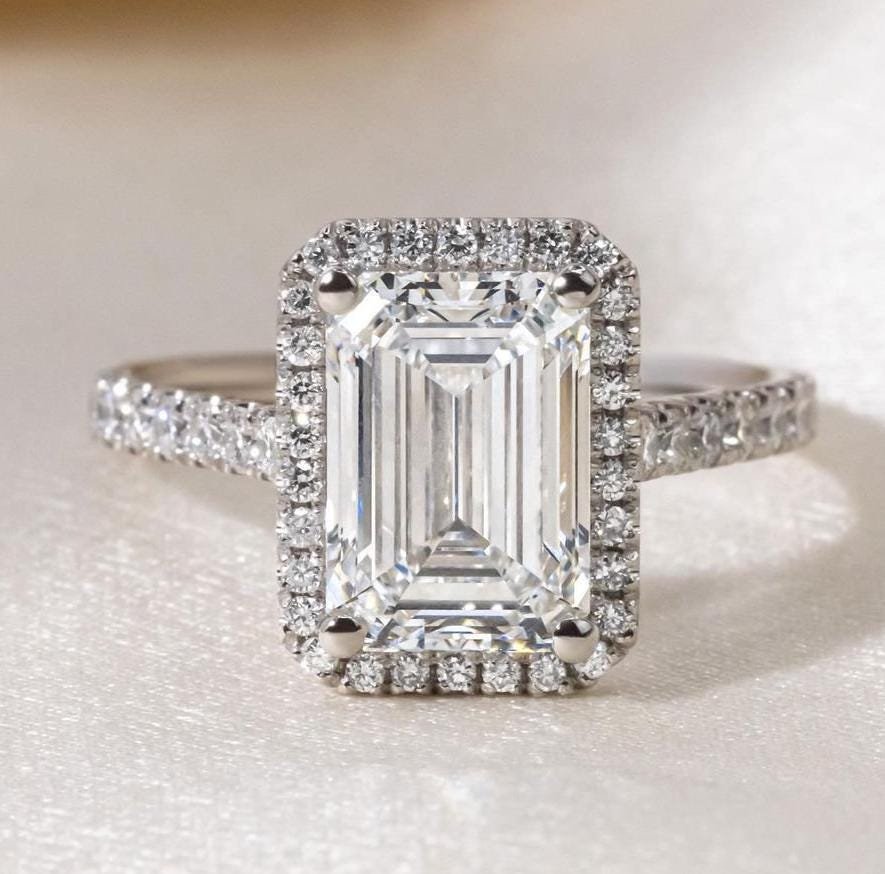

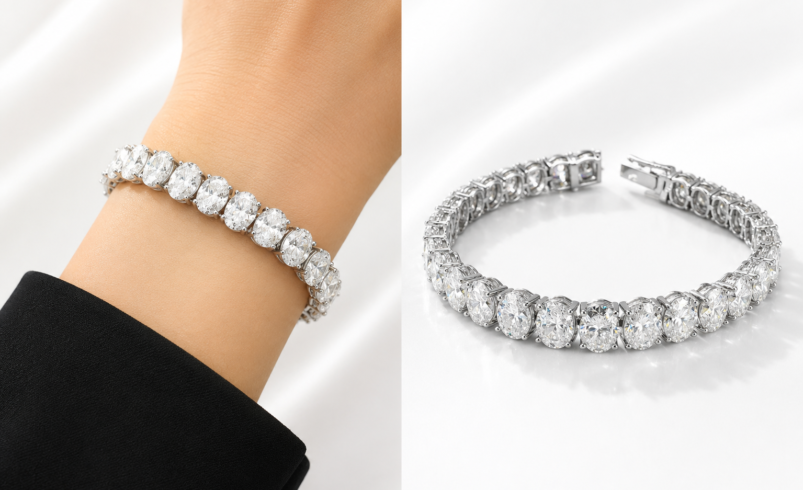

Explore lab grown diamond tennis bracelet is a beautiful piece of jewelry that deserves proper care. Whether you wear it every day or save it for special occasions, regular maintenance helps protect its shine, secure its settings, and extend its life. While lab-grown diamonds have the same physical properties as mined diamonds, the bracelet itself still requires attention because of its metal links and stone settings.
Many people assume diamonds do not need maintenance because they are one of the hardest materials on earth. Although the diamonds are highly durable, oils, dust, cosmetics, and daily wear can affect the overall appearance of the bracelet. With a few simple habits, you can keep your jewelry looking clean and in excellent condition for many years.
If you have recently purchased a bracelet or are planning to invest in one, this guide explains everything you need to know about proper cleaning, storage, inspection, and daily care.
Explore Lab Grown Diamond Tennis Bracelet Care Tips
Owning a diamond bracelet is not just about wearing it. Proper care helps maintain both its appearance and value over time. The following tips are easy to follow and require only a few minutes of attention.
Clean Your Bracelet Regularly
Daily wear exposes your bracelet to natural skin oils, lotions, perfumes, and environmental dust. These substances slowly build up around the diamonds and metal settings, making the bracelet appear less bright.
To clean your bracelet at home:
- Fill a bowl with warm water.
- Add a few drops of mild dish soap.
- Soak the bracelet for about 15 minutes.
- Use a soft toothbrush to clean around each diamond and link.
- Rinse with clean water.
- Dry using a soft microfiber cloth.
Avoid using paper towels because they may leave scratches on the metal surface.
Cleaning every two to four weeks is enough for most people who wear their bracelet regularly.
Avoid Harsh Chemicals
Household cleaning products contain chemicals that may damage precious metals or weaken the finish over time. Chlorine, bleach, and strong detergents should never come into contact with your bracelet.
Remove your bracelet before:
- Cleaning the house
- Swimming in chlorinated pools
- Using bleach
- Gardening with fertilizers
- Applying harsh cleaning solutions
Perfumes, hairsprays, and body lotions should also be applied before putting on your bracelet.
Store It Properly
Proper storage is one of the easiest ways to protect your jewelry.
Keep your bracelet inside:
- A soft jewelry pouch
- A fabric-lined jewelry box
- A separate compartment away from other jewelry
Diamonds can scratch other gemstones and even precious metals. Storing bracelets separately prevents unnecessary marks and tangles.
If you travel often, use a travel jewelry organizer with individual compartments for added protection.
Remove It During Physical Activities
Although diamonds are extremely hard, bracelet settings can still become loose after repeated impact.
Take off your bracelet before:
- Exercising
- Playing sports
- Weight lifting
- Moving furniture
- Heavy gardening
- DIY home projects
These activities place unnecessary pressure on bracelet links and clasps.
Check the Clasp Frequently
The clasp is one of the most important parts of a tennis bracelet. A loose clasp increases the risk of losing the bracelet.
Every few weeks:
- Open and close the clasp.
- Ensure it locks securely.
- Look for any loose movement.
- Test the safety latch if your bracelet has one.
If anything feels different than usual, have it checked by a professional jeweler.
Inspect the Diamond Settings
Small prongs hold each diamond in place. Over time, they may loosen due to daily movement.
Inspect your bracelet under good lighting.
Look for:
- Crooked stones
- Loose diamonds
- Bent prongs
- Missing stones
- Uneven settings
If you notice any movement, stop wearing the bracelet until it has been repaired.
Routine inspections help prevent expensive repairs later.
Professional Cleaning Once a Year
Even with regular home cleaning, professional maintenance is recommended.
A jeweler can:
- Deep clean the bracelet
- Tighten loose stones
- Inspect every setting
- Polish the metal
- Check the clasp
- Identify wear before it becomes serious
Annual servicing helps your bracelet stay in excellent condition.
Wear It the Right Way
Your bracelet should be one of the last accessories you put on and one of the first you remove.
This simple habit reduces contact with cosmetics and prevents accidental snagging while getting dressed.
If you wear multiple bracelets together, choose combinations carefully. Heavy metal bracelets may rub against your diamond bracelet and create scratches over time.
Keep It Away From Extreme Temperatures
Rapid temperature changes can affect certain metals over long periods.
Avoid leaving your bracelet:
- Inside a hot vehicle
- Near heaters
- In direct sunlight for extended periods
- In freezing outdoor conditions
Store jewelry in a cool, dry place whenever possible.
Protect It While Traveling
Travel increases the chance of losing or damaging valuable jewelry.
Before packing:
- Place the bracelet in a soft pouch.
- Keep it inside a protective travel case.
- Never pack valuable jewelry in checked luggage.
- Carry it in your hand luggage whenever possible.
If staying in a hotel, use the room safe when the bracelet is not being worn.
Why Regular Care Matters
A well-maintained bracelet continues to look beautiful year after year.
Routine care helps:
- Preserve the finish
- Reduce repair costs
- Keep diamonds secure
- Maintain comfortable wear
- Extend the bracelet’s lifespan
Small maintenance habits make a noticeable difference over time.
Choosing Quality Makes Care Easier
High-quality craftsmanship also affects long-term durability.
When shopping for lab grown diamond tennis bracelets, pay attention to:
- Secure prong settings
- Strong clasp design
- Well-finished links
- Certified diamonds
- Reliable warranty
Well-made bracelets generally require fewer repairs and provide greater peace of mind.
Finding the Right Bracelet for Your Style
There are many styles available today, from classic round diamonds to oval, emerald, and cushion cuts.
If you are shopping for the best lab grown diamond tennis bracelet, consider:
- Wrist size
- Diamond size
- Metal choice
- Clasp quality
- Total carat weight
- Daily lifestyle
Selecting the right bracelet means you’ll enjoy wearing it more often while reducing unnecessary wear.
Options for Every Budget
Beautiful jewelry does not always require a large investment.
Many buyers choose an affordable lab grown diamond tennis bracelet because it offers excellent value while maintaining the same durability and appearance expected from diamond jewelry.
By comparing craftsmanship instead of focusing only on price, you can find a bracelet that suits both your style and budget.
Popular Designs Available Today
Jewelry collections now include many different styles, including:
- Classic round diamonds
- Oval designs
- Emerald-cut bracelets
- Cushion-cut styles
- Mixed-shape designs
- Bezel settings
Whether you prefer a women’s lab grown diamond tennis bracelet for everyday wear or a bracelet reserved for special occasions, proper maintenance remains the same.
Some buyers also compare a lab grown diamonds tennis bracelet with a lab created diamond tennis bracelet before making a purchase. Both options feature diamonds created in controlled environments and offer similar durability, making care instructions nearly identical.
Retailers may also describe these pieces as a lab created diamonds tennis bracelet or offer collections of lab created diamond tennis bracelets with different settings, metals, and diamond shapes.
Trusted brands like Antiquecut also emphasize quality craftsmanship, making regular maintenance even more effective over the years.
Final Thoughts
A lab grown diamond tennis bracelet is designed to be enjoyed for years, but its beauty depends on consistent care. Regular cleaning, careful storage, routine inspections, and occasional professional maintenance help preserve both the diamonds and the bracelet itself.
Simple habits like removing your bracelet during physical activities, avoiding harsh chemicals, and checking the clasp regularly can prevent unnecessary damage and costly repairs. Whether you wear your bracelet daily or only on special occasions, taking a few extra minutes to care for it will help it continue looking its best for many years to come.