
Choosing an engagement ring does not always mean spending a large amount of money. With careful planning, it is possible to find beautiful engagement rings under $2000 that suit your partner’s taste and your budget. The key is knowing which details matter most, comparing different diamond choices, and selecting a ring style that offers good value. Whether you are shopping for a classic solitaire, a three-stone design, or a distinctive setting, a $2,000 budget can give you several options to consider.
Start With a Clear Budget
Before looking at rings, decide how much you are comfortable spending. A $2,000 limit should include the ring itself, but you may also need to consider taxes, shipping, resizing, insurance, or other additional costs.
Setting a firm budget helps narrow your choices. Instead of looking at every available design, you can focus on rings that fit your price range.
It is also useful to divide your budget according to the features that matter most. If the diamond is your main priority, you may want to spend more on the center stone and choose a simpler setting. If the ring design is more important, a detailed setting with a slightly smaller center diamond could be a better choice.
Understand the Main Diamond Factors
When shopping for diamond engagement rings under $2000, learn the basics of diamond quality. The four Cs—cut, color, clarity, and carat—are commonly used to evaluate diamonds.
Cut
Cut has a major effect on how a diamond interacts with light. A well-cut diamond can look lively even when you choose a smaller carat weight.
For a limited budget, prioritizing cut can be a practical approach. A slightly smaller diamond with a good cut may look more appealing than a larger stone with weaker proportions.
Color
Diamond color refers to how much body color is visible in a stone. Higher color grades generally cost more. However, you do not always need the highest grade to get a diamond that looks bright when set in a ring.
The appearance can also depend on the metal surrounding the diamond. White metals can make color differences easier to notice, while yellow or rose-toned metals may provide a different visual effect.
Clarity
Clarity describes the presence of internal characteristics and surface marks. Higher clarity grades usually have fewer visible inclusions.
For a $2,000 budget, consider whether inclusions can actually be seen without magnification. A diamond does not necessarily need the highest clarity grade if it appears clean to the eye.
Carat
Carat refers to diamond weight, not directly to how large the diamond looks from above. Two diamonds with the same carat weight can have different dimensions depending on their shape and cut.
If size is important, compare the actual measurements as well as the carat weight.
Consider Lab-Grown Diamonds
Lab-grown diamonds can be worth considering when your budget is limited. They have the same basic chemical composition and crystal structure as natural diamonds, while their pricing can allow shoppers to consider different sizes or specifications within the same budget.
If you are comparing engagement rings under 2000, look at both the diamond specifications and the overall ring construction. A lower price should not mean ignoring the details of the setting, metal, certification, or craftsmanship.
For shoppers who want a particular diamond shape or larger center stone, lab-grown options may provide additional choices.
Choose the Right Diamond Shape
The diamond shape can significantly change the appearance of an engagement ring. Popular choices include round, oval, pear, emerald, cushion, and radiant shapes.
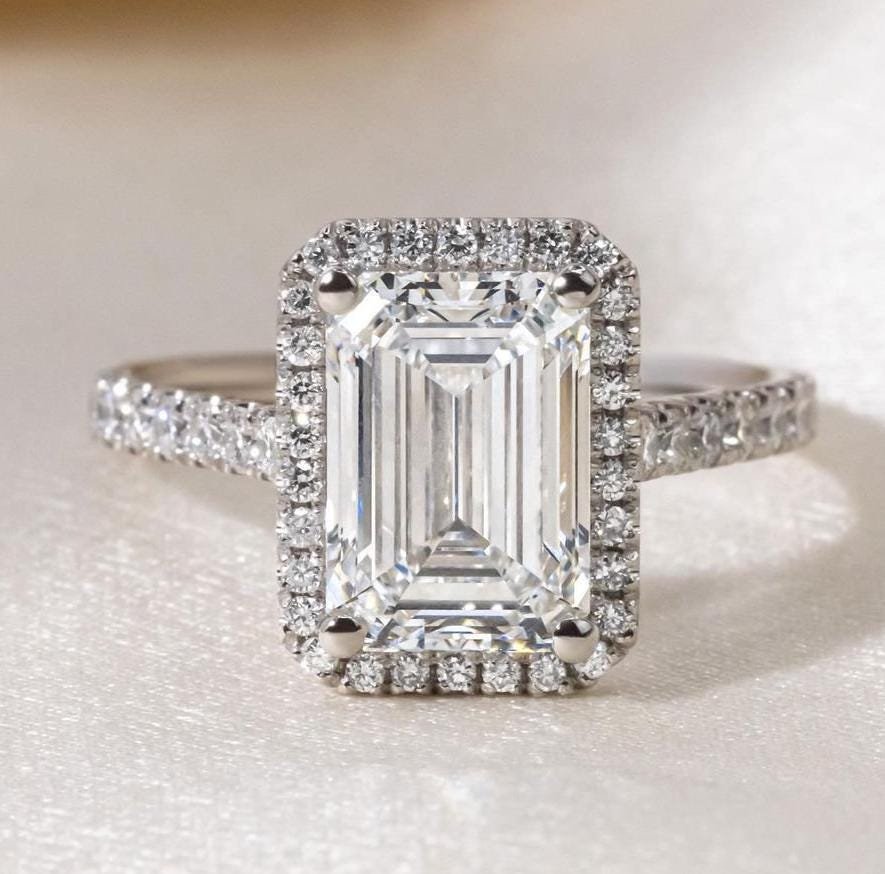
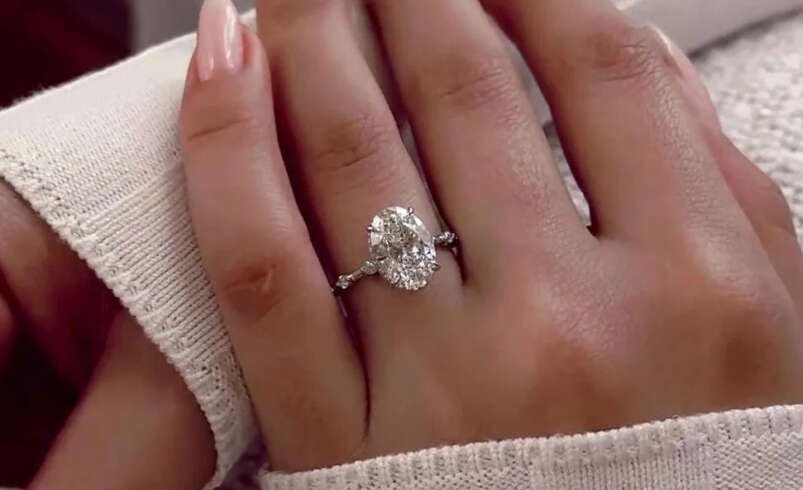
Round diamonds are a traditional choice and work well with many settings. Oval diamonds can provide an elongated appearance, while emerald-cut diamonds have a more open, step-cut look.
Cushion diamonds are known for their softer outline, while pear-shaped diamonds offer a distinctive silhouette. Radiant cuts combine a rectangular or square outline with brilliant-style faceting.
When choosing among diamond rings under 2000, think about your partner’s personal style rather than choosing a shape simply because it is popular.
Select a Ring Setting
The setting holds the diamond in place and has a major influence on the ring’s appearance.
A solitaire setting keeps the center diamond as the main focus. It can also be a sensible choice for shoppers who want to put more of their budget toward the center stone.
Halo settings surround the center diamond with smaller stones, which can create the appearance of a larger overall design. Three-stone settings feature a center diamond with two additional stones on either side.
Bezel settings surround the diamond with a rim of metal. This can give the ring a distinctive appearance while providing a secure style for people who prefer a protected diamond edge.
Pick a Metal That Fits the Wearer’s Style
The metal is another important decision. Common options include yellow gold, white gold, rose gold, and platinum.
Yellow gold has a warm appearance and pairs well with many diamond shapes. White gold offers a bright metal look and works with a wide range of ring designs. Rose gold has a pink-toned appearance and can give the ring a different character.
Platinum is durable and naturally white, but it can take up a larger portion of a $2,000 budget.
When choosing engagement rings for women under $2000, consider the jewelry your partner already wears. If she usually wears yellow-gold necklaces or bracelets, a yellow-gold engagement ring may coordinate naturally with her collection.
Think About Everyday Wear
An engagement ring is normally worn frequently, so appearance should not be the only consideration. Think about your partner’s daily routine.
Someone who works with their hands may prefer a setting with fewer raised elements. A person who enjoys an active lifestyle might appreciate a secure setting that keeps the diamond protected.
The band width also matters. A very delicate band may look different from a wider band, and the right choice depends on personal preference.
Comfort should also be considered. The ring should feel natural when worn throughout the day.
Compare Certification and Diamond Details
If you are buying a diamond, check whether it comes with a grading report from a recognized gemological laboratory. A grading report can provide information about the diamond’s characteristics, including its carat weight, color, clarity, and cut-related details.
Do not judge a diamond only by its product photograph. Images can vary depending on lighting, camera settings, and editing. Review the listed specifications and grading information before making a decision.
This is particularly important when comparing several rings at similar prices.
Look Beyond the Center Diamond
A ring’s value is not determined only by the center stone. Pay attention to the band, side stones, setting construction, metal type, and overall design.
For example, two rings may have similarly sized center diamonds but different prices because of their settings or additional stones.
If you want to buy engagement rings under $2000, compare complete ring specifications rather than looking at the center diamond alone. This gives you a clearer idea of what you are actually purchasing.
Compare Several Styles Before Buying
It is easy to become attached to the first ring you like. However, comparing several designs can help you understand what your budget can provide.
Make a shortlist based on diamond shape, metal, setting, carat weight, and overall design. Then compare the details side by side.
You may discover that a slightly different diamond shape or setting gives you a better combination of size and quality.
For shoppers researching engagement rings under 2000, online collections can also make it easier to compare multiple designs without visiting several stores.
Think About the Wedding Band
The engagement ring will eventually be worn alongside a wedding band, so consider how the two rings may work together.
Some engagement ring settings sit close to the finger and pair easily with straight wedding bands. Other designs may require a curved or contoured band.
If you already know the type of wedding band your partner likes, keep that preference in mind while choosing the engagement ring.
Check Ring Size Carefully
The right ring size is essential. A ring that is too tight can be uncomfortable, while one that is too loose may move around or slip from the finger.
If you are planning a surprise proposal, you may need to find the size without asking directly. You could check a ring your partner already wears on the intended finger or ask a close friend or family member for help.
If the exact size is uncertain, check the seller’s resizing policy before ordering.
Explore Your Options at Antiquecut
For shoppers comparing different styles and diamond choices, Antiquecut offers lab-grown diamond engagement ring designs in a range of settings and shapes. Reviewing different designs can help you decide which combination of diamond size, setting, and metal works best for your budget.
The important thing is to compare the complete ring rather than focusing on one specification.
Final Thoughts
Finding the right ring within a $2,000 budget is possible when you know what to prioritize. Start with a clear spending limit, learn the basics of diamond quality, compare shapes and settings, and choose a metal that matches the wearer’s existing jewelry.
When reviewing 2000 engagement ring options, remember that the most expensive-looking specification is not always the best choice for your partner. A well-selected diamond, suitable setting, comfortable fit, and thoughtful design can make the ring feel personal without exceeding your budget.
Take time to compare your options, check the diamond details, review the seller’s policies, and think about how the ring will fit into everyday life. A careful buying process can help you find a ring that fits both your budget and the person you are choosing it for.