

Choosing an ear piercing is rarely a random decision. Some people want to celebrate a special occasion, while others simply enjoy expressing themselves through jewelry. No matter the reason, one thing remains the same—understanding your options before getting pierced makes the experience much more enjoyable.
The first thing many people do is search through photos for inspiration. While this can be helpful, pictures cannot tell you whether a certain placement will suit your ear. Every person has a different ear shape, different cartilage thickness, and different proportions. That is why learning about placement before your appointment is always a smart idea.
If you are exploring different possibilities, know more about the ear piercing chart to understand where each piercing is placed and how it may suit your ear.
Your Ear Has Its Own Features
No two ears look exactly alike. Some people have wide lobes that can comfortably hold multiple piercings, while others have a narrow outer edge that limits certain cartilage placements.
Professional piercers examine these details before recommending a location. Their experience helps them adjust each piercing according to your anatomy instead of placing jewelry in exactly the same spot shown in an online picture.
These small adjustments often improve both comfort and the overall appearance after healing.
Understanding your own ear helps you make decisions based on what works for you rather than simply following someone else’s design.
Learning About Different Piercing Locations
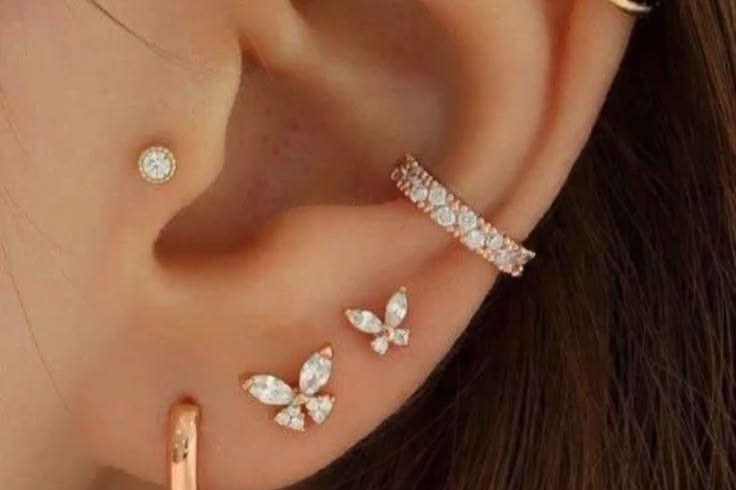
The ear provides many opportunities for self-expression. While the traditional lobe piercing remains popular, cartilage offers several additional options including the helix, forward helix, tragus, conch, rook, daith, flat, snug, anti-tragus, and industrial.
Each placement has its own appearance and healing period. Some people enjoy keeping a simple arrangement, while others gradually build several piercings over time.
If you would like to compare every location, discover the meaning behind the all ear piercings chart and become familiar with how each piercing is positioned.
Understanding these names also makes conversations with your piercer much easier during your consultation.
Think Beyond Today
One mistake many people make is focusing only on the piercing they want today instead of considering what they may want later.
Planning ahead allows you to leave enough room for future jewelry while creating an arrangement that feels balanced. Many experienced piercers recommend building your collection gradually because cartilage requires time to heal properly.
If you are planning more than one piercing, learn about the symbolism of the types of ear piercing chart to compare different arrangements before deciding on your next step.
Giving yourself time between appointments often creates better long-term results.
Jewelry Size Matters More Than Most People Realize
Beautiful jewelry is important, but comfort begins with choosing the correct size.
Piercing jewelry is measured using gauge thickness, post length, and ring diameter. These measurements are selected according to your anatomy and the placement itself.
Jewelry worn during healing is often slightly longer because swelling is expected during the first few weeks. Once the piercing has healed, many people choose shorter jewelry for a closer fit.
Before buying accessories, read more about the ear piercing size chart to understand how different measurements are used.
Knowing these basics helps prevent unnecessary discomfort and makes future jewelry shopping much easier.
Healing Is Part of the Experience
Healing deserves just as much attention as choosing the placement itself.
Lobe piercings often recover sooner because they pass through softer tissue. Cartilage piercings generally take longer and require consistent aftercare throughout the healing period.
Cleaning the piercing correctly, avoiding unnecessary touching, and protecting it while sleeping all contribute to healthy healing.
Everyone’s recovery is different, so comparing your progress with someone else’s experience usually creates unrealistic expectations.
Allowing enough time before changing jewelry helps reduce unnecessary irritation.
Build a Look That Reflects You
There is no rule that says every ear should look the same. Some people prefer a single piercing, while others slowly create an arrangement using several different locations.
Your collection can grow naturally over time as your preferences change. Instead of copying another person’s ear exactly, think about what feels comfortable and meaningful to you.
If you’re looking for inspiration before booking your appointment, discover the meaning behind the ear piercing charts to compare different arrangements and understand how multiple placements work together.
Finding ideas is helpful, but adapting them to your own anatomy often produces the best outcome. Antiquecut shares educational resources that explain ear anatomy, placement ideas, jewelry sizing, and aftercare in a way that is easy to understand.
Make Your Decision with Confidence
A successful piercing begins with learning. Understanding anatomy, jewelry sizing, placement options, and healing expectations allows you to make informed choices before entering the studio.
Working with an experienced professional who explains every step of the process can also make the experience much more comfortable.
If you’re still comparing different placements, read more about the all ear piercing chart, learn about the symbolism of the ear chart for piercings, and discover the meaning behind the ear piercing types chart before choosing your next piercing.
Reliable information makes every decision easier. Whether you’re preparing for your first piercing or adding another one to your collection, Antiquecut provides helpful information that supports confident choices and a comfortable piercing experience.