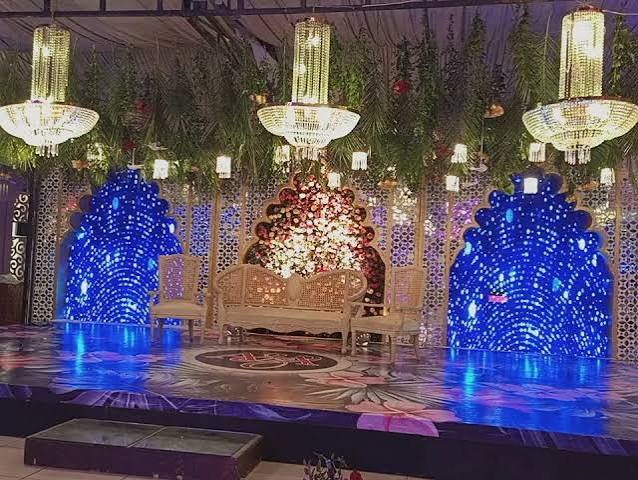

A large wedding is made up of many small arrangements that need to work together. The stage may receive most of the attention, but guests also notice whether they can find their seats, whether the food is served on time, and whether the program runs without unnecessary delays.
For families planning a wedding in Lahore, organization becomes especially important when the guest list is large or the celebration involves several functions. A clear plan helps everyone understand their responsibilities and gives the family more time to enjoy the occasion.
Begin With One Master Wedding Plan
Instead of keeping separate notes in different WhatsApp conversations, create one central document containing the important wedding details.
Include the event date, venue, estimated guest count, approved budget, vendor contacts, program schedule, and payment deadlines. Share the relevant information with the people responsible for each part of the event.
The master plan does not need to be complicated. A spreadsheet or shared document can work well, provided it is updated whenever a decision changes.
It is also useful to assign responsibility for individual tasks. One family member might handle guest invitations, while another communicates with relatives travelling from outside Lahore. Vendor coordination should have a clearly identified point of contact rather than depending on several people giving different instructions.
Build the Schedule Around the Actual Function
A wedding schedule should reflect the family’s plans, the venue’s permitted timings, and the amount of time required for each activity.
For example, a Barat may require time for the groom’s arrival, the bridal entry, photography, family introductions, dinner, and the remaining program. A Mehndi may involve performances and activities that need a different sequence.
Avoid creating a schedule that leaves no room for ordinary delays. Traffic, late arrivals, photography requests, and changes in the program can affect the original timings.
A practical schedule should include:
- Vendor arrival and setup deadlines
- Final décor inspection
- Sound and lighting checks
- Guest arrival and seating
- Main ceremony or program activities
- Meal service
- Photography requirements
- Breakdown and venue handover
Share the final version with the venue representative and relevant vendors before the wedding day.
Make Guest Movement Part of the Design
Guest experience is affected by how people move through a venue. If the entrance, stage, buffet, and seating areas are poorly coordinated, congestion can develop even when the venue has sufficient overall capacity.
During the planning stage, walk through the proposed layout. Consider where guests will enter, where they will wait, how they will find their seats, and how they will reach the dining area.
Keep the main walkways clear. Avoid placing decorative structures where they obstruct access or make it difficult for older guests to move around. If separate family seating is required, communicate the arrangement clearly to the people managing guest reception.
Parking and drop-off arrangements also deserve attention. Share accurate location details with guests, and arrange for someone to guide arriving visitors when the venue entrance is likely to become busy.
Keep the Vendors Working From the Same Brief
A decorator may have a beautiful stage design in mind, but the setup could conflict with the photographer’s preferred angles or the entertainment team’s equipment placement.
These problems are easier to resolve before installation begins.
Hold a coordination discussion with the relevant vendors and confirm the final layout, measurements, power requirements, access times, and responsibilities. Give everyone the same approved references rather than sending different versions of the plan.
If a last-minute change becomes necessary, identify who can approve it and how it may affect the budget or schedule. This prevents small changes from creating confusion across several teams.
Choose Wedding Support According to Your Needs
Professional coordination can be useful when a family is managing multiple suppliers, elaborate décor, a large guest list, or several wedding functions.
When comparing services, ask whether the team handles planning only or also supervises execution on the event day. Clarify who will be physically present, how vendors will be coordinated, and who will resolve issues if something does not go according to plan.
Families exploring Topaz Marquee Wedding Planner Lahore can review the wedding planning and coordination services offered by MARCEM Events for this venue. Any booking discussion should establish the exact deliverables, costs, responsibilities, and arrangements agreed upon for the particular event.
The goal is not to add unnecessary services. It is to make sure the important tasks have an accountable person.
Prepare for Problems Before They Happen
Not every issue can be prevented, but many can be managed more effectively with a backup plan.
Ask what will happen if the electricity supply is interrupted, a key vendor arrives late, the guest count changes, or a technical problem affects the program. For outdoor or partially open setups, confirm the alternative arrangements available if the weather changes.
Keep essential contacts accessible to the event coordinator. Decide in advance who can authorize emergency purchases or changes so the family does not have to make every decision during the function.
A short contingency discussion before the event can save considerable stress later.
Let the Family Enjoy the Celebration
One of the most overlooked aspects of wedding planning is the family’s own experience. If the hosts spend the entire evening answering vendor calls and resolving seating questions, they may miss the occasion they worked so hard to organize.
Before the wedding, delegate routine decisions and make sure everyone knows whom to contact. Keep the final schedule and vendor information in one accessible place, and avoid introducing unnecessary changes once setup has begun.
A well-organized wedding does not require every moment to go exactly as planned. It requires clear communication, realistic timings, and people who know how to respond when adjustments are needed.
With those foundations in place, families can focus less on managing logistics and more on welcoming their guests and celebrating together.