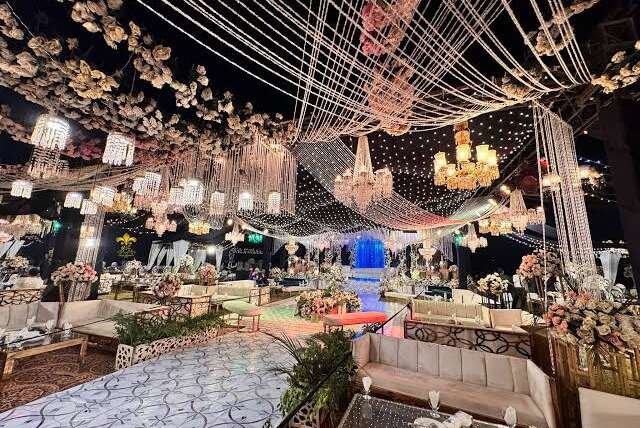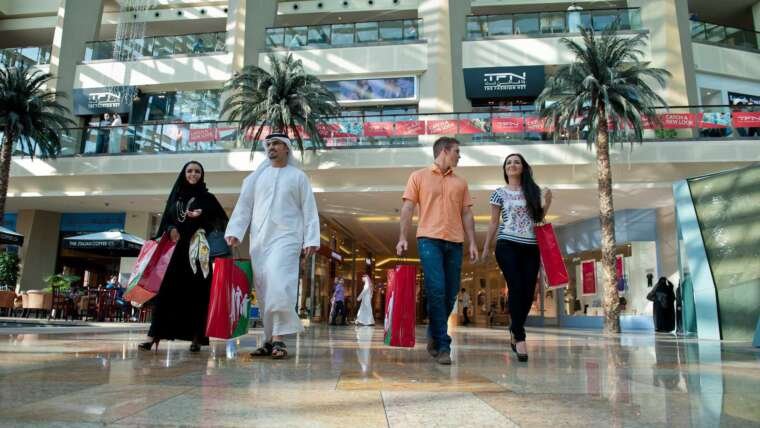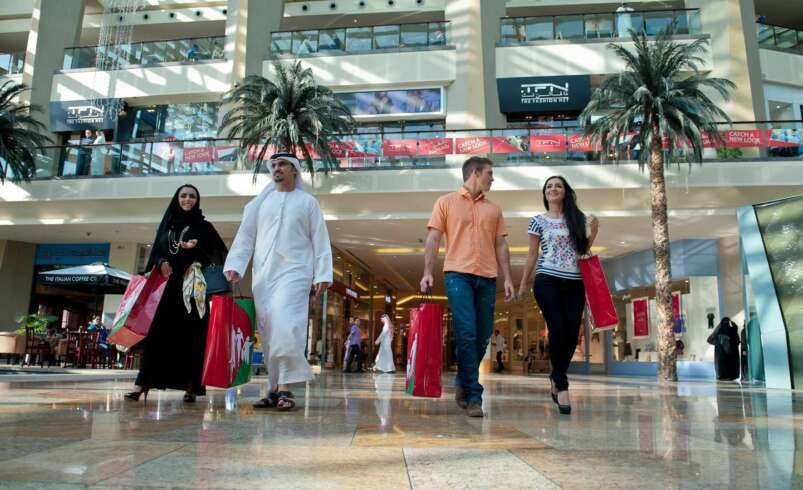

Planning a shopping trip across Dubai requires more than choosing a few malls. The city offers large shopping centres, traditional souks, luxury boutiques, outlet stores, and independent retail districts, each with a different shopping experience. A well-organised itinerary helps you visit the right places, manage your budget, avoid unnecessary travel, and leave enough time to enjoy each destination. By grouping nearby shopping areas, checking transport options, and prioritising your purchases, you can explore more of Dubai without making your trip exhausting.
1. Choose Shopping Destinations Based on Your Priorities
Start by deciding what you want to buy and which shopping experiences interest you most. Dubai has shopping destinations for luxury fashion, electronics, family entertainment, traditional products, and discounted brands.
| Shopping destination | Best for | What to expect |
| Dubai Mall | Luxury fashion, international brands, electronics, and entertainment | A large shopping complex near Burj Khalifa and Dubai Fountain |
| Mall of the Emirates | Fashion, lifestyle brands, dining, and indoor entertainment | A major mall with Ski Dubai and a broad retail selection |
| City Centre Deira | Everyday shopping, fashion, electronics, and dining | A convenient option in the older commercial part of Dubai |
| Dubai Marina Mall | Fashion, lifestyle products, dining, and waterfront surroundings | A smaller shopping centre suitable for a shorter visit |
| Gold Souk, Deira | Gold jewellery and precious-metal shopping | Traditional jewellery shops in the historic Deira district |
| Textile Souk, Bur Dubai | Fabrics, garments, souvenirs, and traditional textiles | Small shops and markets near Dubai Creek |
| Dubai Outlet Mall | Discounted fashion, footwear, and accessories | Outlet shopping outside central Dubai |
| City Walk | Lifestyle shopping, boutiques, restaurants, and cafés | An open-air retail and dining district |
Choose destinations according to your shopping list rather than trying to visit every popular location. For example, shoppers looking for designer handbags may prioritise Dubai Mall, while visitors interested in gold jewellery and traditional markets may prefer Deira and Bur Dubai.
Check each destination’s official website before travelling to confirm current store listings, opening hours, events, and access information.
2. Group Malls and Retail Districts by Location
Dubai covers a large area, so travelling between distant shopping destinations can consume valuable shopping time. Plan your itinerary around geographical clusters instead of moving randomly across the city.
Downtown Dubai and City Walk
Combine Dubai Mall with nearby Downtown Dubai attractions if you want to shop for international brands and enjoy the surrounding restaurants. You can also visit City Walk on the same day if your schedule allows, although traffic and walking distances may affect your plans.
Deira and Bur Dubai
Dedicate a separate shopping session to traditional markets and older commercial neighbourhoods. Visit the Gold Souk and nearby Spice Souk in Deira, then explore the Textile Souk around Bur Dubai if you want fabrics, souvenirs, and traditional products. Allow extra time for crossing Dubai Creek and navigating the busy market streets.
Mall of the Emirates and Dubai Marina
These destinations can work together when you plan your transport carefully. Start at Mall of the Emirates for a longer shopping session, then travel towards Dubai Marina for waterfront dining and a shorter visit to the mall. Check the route and expected travel time before committing to both locations.
Dubai Outlet Mall and Other Outlying Destinations
Place Dubai Outlet Mall on a day when discounted shopping is your main priority. Its location makes it less convenient to combine with several central shopping districts in one short itinerary. Check the distance from your hotel and consider other nearby activities before deciding whether to include additional stops.
3. Create a Practical Shopping Itinerary
A realistic itinerary should balance shopping time, transport, meals, and rest. Large malls can require several hours because their stores, dining areas, and entertainment facilities are spread across multiple levels.
Use this sample three-day plan as a starting point and adjust it according to your hotel location and shopping priorities.
| Day | Main destinations | Suggested plan |
| Day 1 | Dubai Mall and Downtown Dubai | Spend the morning exploring priority stores, take a lunch break, continue shopping, and enjoy the surrounding attractions in the evening |
| Day 2 | Gold Souk, Spice Souk, and Textile Souk | Compare jewellery and traditional products, explore nearby markets, and allow time for meals and transport |
| Day 3 | Mall of the Emirates and Dubai Marina Mall | Shop for fashion and lifestyle products, then visit the marina area for dining or a relaxed evening |
If discounted brands are your main priority, replace one of these days with a dedicated visit to Dubai Outlet Mall. If you have only one day, choose two destinations that match your shopping goals and sit reasonably close to each other.
Avoid scheduling too many large malls in a single day. A shorter list of carefully selected destinations usually provides a more enjoyable experience and gives you enough time to compare prices before buying.
4. Choose the Best Transport for Your Shopping Route
Transport plays an important role when you plan to visit several malls and retail districts. Your best option depends on your hotel location, shopping schedule, luggage, and the number of people travelling with you.
Dubai Metro and Public Transport
The Dubai Metro offers a practical way to reach several major shopping areas without dealing with road traffic. The Red Line serves the Burj Khalifa/Dubai Mall station and Mall of the Emirates station, although you may need additional walking or a connecting service to reach your final destination.
Use a nol card to pay for eligible journeys on the Metro, buses, and Dubai Tram. Review the official RTA nol card guide before travelling, and check current routes and timetables through the Dubai Roads and Transport Authority.
Public transport works particularly well when you carry only a small shopping bag and plan to visit destinations near Metro stations. However, carrying several large bags between stations, platforms, and shopping centres can become tiring.
Taxis and Ride-Hailing Services
Taxis offer convenient transfers between shopping destinations, especially when your itinerary includes traditional markets or locations away from Metro stations. They can also save time when you finish shopping late or travel with children.
Consider traffic conditions and fares when planning multiple journeys. During busy periods, allow extra time for pickups and road travel rather than relying on estimated journey times alone.
Driving a Rental Car
Driving can make a multi-mall shopping trip easier when you want to visit different districts, carry purchases between stops, or travel with family members. A rental car also gives you more flexibility when your itinerary includes Dubai Outlet Mall or several destinations that do not connect conveniently by public transport.
Before booking, compare parking arrangements, rental terms, mileage limits, insurance coverage, fuel policies, and any applicable toll or traffic charges. If you are visiting for several days, compare the total cost of a daily or weekly car rental in Dubai with your expected taxi fares and parking expenses.
Great Dubai is one provider you can review when comparing rental options. Choose a vehicle that matches your group size and luggage rather than paying for features you will not use.
5. Plan Your Shopping Budget Before You Leave
A shopping budget helps you compare products without overspending. Set separate limits for purchases, meals, transport, and unexpected expenses so that one category does not consume money reserved for another.
Use the following budget categories when preparing your trip:
- Shopping: Allocate a spending limit for clothing, electronics, jewellery, cosmetics, souvenirs, and other planned purchases.
- Food and drinks: Estimate the cost of meals, coffee breaks, and snacks throughout the day.
- Transport: Include Metro fares, taxi journeys, rental charges, fuel, parking, and applicable tolls.
- Entertainment: Set aside money for attractions or activities that you want to combine with shopping.
- Contingency: Keep some money available for unexpected purchases, price differences, or changes to your itinerary.
Compare prices at more than one store when you shop for expensive products. Check the model number, warranty, return policy, and included accessories before buying electronics. For jewellery, compare the item’s weight, purity, workmanship charges, and final price rather than relying on the displayed gold rate alone.
Keep receipts and payment confirmations in one place. If you are an eligible tourist, review the current requirements for the UAE’s tourist VAT refund scheme before assuming that a purchase qualifies.
6. Check Store Locations, Opening Hours, and Promotions
Do not assume that every brand operates in every mall. Check the shopping centre’s directory to confirm whether your preferred store is available and identify its location before arriving.
For example, consult the official Dubai Mall opening hours when scheduling your Downtown Dubai visit. Individual shops, restaurants, and attractions may follow different hours, so verify the specific places you intend to visit.
Use these steps to prepare each shopping session:
- List the stores you want to visit and rank them by importance.
- Check their locations on the mall directory or official store website.
- Look for current promotions and confirm their terms and validity dates.
- Identify a convenient entrance, parking area, or Metro access point.
- Save your shopping list and booking confirmations on your phone.
Shopping festivals and seasonal sales can offer discounts, but a promotion does not automatically make a product the best value. Compare the final price, product specifications, and return conditions before making a decision.
7. Organise Your Shopping Bags and Purchases
Large shopping bags can make it harder to move between stores and travel comfortably. Plan how you will carry your purchases, particularly when your itinerary includes more than one mall.
Follow these practical tips:
- Start with your highest-priority purchases while you have the most energy.
- Keep your passport, payment cards, phone, and receipts secure.
- Carry a reusable shopping bag for small purchases where permitted.
- Ask stores about delivery options for bulky or heavy items.
- Keep fragile products separate from heavier bags.
- Use your hotel or vehicle to store purchases when practical and permitted.
- Avoid leaving valuables or shopping bags visible inside a parked car.
If you drive, check the vehicle’s luggage capacity before booking. A compact economy car may suit a solo shopper, while families or groups buying multiple bags may benefit from a larger vehicle. Compare SUV rental options in Dubai when luggage space and passenger comfort are priorities, and verify the actual boot capacity of the model offered.
8. Understand Tax Refunds, Returns, and Shopping Rules
International visitors may qualify for a VAT refund on eligible purchases made through participating retailers under the UAE’s tourist tax refund scheme. Eligibility depends on the applicable rules, documentation, purchase conditions, and departure procedures.
Before making a purchase, ask the retailer whether it participates in the scheme and whether your transaction qualifies. Keep the original receipts and required tax-free documentation, and follow the current verification process before departure.
Review store return and exchange policies before buying clothing, electronics, cosmetics, or jewellery. Some products may have restrictions on returns, especially when opened, customised, or purchased during clearance sales.
When purchasing high-value goods, check the product’s authenticity, warranty coverage, and whether the warranty applies in your home country. These details matter if you plan to take your purchases overseas.
9. Avoid Common Mistakes When Visiting Multiple Shopping Areas
A few planning mistakes can waste time and reduce the value of your shopping trip. Avoid these common problems:
| Common mistake | How to avoid it |
| Visiting too many malls in one day | Limit your itinerary to a manageable number of destinations |
| Ignoring travel distances | Group shopping locations by district and check routes in advance |
| Arriving without a shopping list | Prioritise essential purchases and compare products systematically |
| Forgetting meal and rest breaks | Schedule time to eat, sit down, and reorganise shopping bags |
| Assuming every store has the same prices | Compare prices, promotions, specifications, and return policies |
| Ignoring parking arrangements | Check parking access, charges, and payment methods before driving |
| Carrying every purchase all day | Arrange storage, delivery, or a convenient stop to drop off bags |
| Relying on outdated opening hours | Verify current timings before leaving your hotel |
10. Use a Final Checklist Before Starting Your Trip
Review this checklist the evening before your shopping day. It helps you confirm the essential details without overcomplicating your itinerary.
- Select the malls and retail districts that match your shopping priorities.
- Group destinations by location to reduce unnecessary travel.
- Check store directories, opening hours, and current promotions.
- Set a realistic shopping and transport budget.
- Confirm your Metro route, taxi arrangements, or rental car booking.
- Check parking details if you plan to drive.
- Carry identification, payment cards, and any required booking documents.
- Leave room in your schedule for meals, breaks, and unexpected delays.
- Keep receipts and review return or tax refund requirements.
- Check your luggage capacity before purchasing bulky items.
Conclusion
Planning a Dubai shopping trip across multiple malls and retail districts becomes easier when you organise destinations by location, prioritise stores, and choose transport that suits your schedule. Combine major malls with nearby attractions, reserve separate time for traditional markets, and set a budget before you start shopping. With a realistic itinerary and a little preparation, you can compare products, manage your purchases, and enjoy Dubai’s diverse retail experiences without spending the entire trip travelling between destinations.