
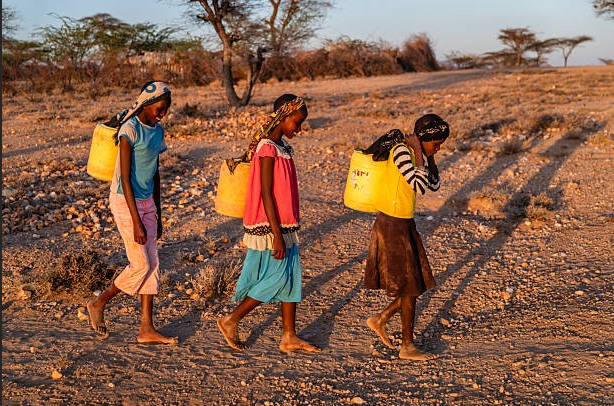

A workday can disappear before paid work even begins. For millions of women, water collection is not a quick household errand but a recurring responsibility shaped by distance, waiting lines, seasonal shortages, and the weight of what must be carried home. Those lost hours rarely appear in economic records, yet they can quietly decide whether a woman arrives at work on time, opens a stall early, or makes it to a training class.
The deeper issue is not just time. It is the loss of flexibility. When water needs take priority each morning, jobs, customers, education, and business opportunities become harder to plan around. Looking at the burden this way reveals how an essential household task can steadily narrow economic choices.
Key Takeaways
- Water-fetching schedules can make reliable employment and entrepreneurship harder to sustain.
- Physical fatigue can reduce the productive value of hours remaining after water-related household work.
- Bringing reliable water closer to households can create economic opportunities, not simply convenience.
6 Ways Water Collection Burdens Limit Women’s Economic Opportunities
Shrinking Reliable Work Hours
Paid work depends on showing up when promised, but a long morning trip to collect water can make start times unpredictable. A mixed-methods study of women collecting water found an average water journey of 82 minutes across four countries, including travel, waiting, and collection time. Those delays can reshape the entire workday.
Women may avoid jobs with strict schedules, longer commutes, or attendance penalties because household water needs cannot be postponed. The uncertainty can matter as much as the hours themselves. When basic routines repeatedly conflict with work hours, employment may exist on paper yet be difficult to sustain in daily life.
Missing High-Value Market Windows
Small businesses often earn the most during narrow selling windows. Water collection can overlap with early market hours, food preparation, customer pickups, or the period when transport is cheapest and most available. Arriving late can mean weaker demand, fewer buyers, missed orders, or reduced bargaining power.
A 2026 World Bank report on water access and livelihoods in Somalia shows how reliable, multi-use water points can support farming, livestock care, and small local services. Better access, therefore, does more than save time. It can help women reach income-producing activities when timing matters most.
Turning Energy into Unpaid Labor
A water-fetching trip can consume physical capacity before paid work begins. According to research, some women traveled an average of 3.5 kilometers while carrying an average load of 19.3 kgs, adding strain before other tasks even started.
Available time, then, is not always productive time. After lifting, walking, and carrying, women may have less stamina for farming, vending, manufacturing, or other demanding work. The burden can also narrow the jobs they can manage consistently, turning a household necessity into a quiet limit on daily earning potential.
Crowding Out Skills Growth
Economic mobility often depends on having regular time to build practical skills. A woman taking a three-day-a-week sewing course, an evening bookkeeping class, a digital marketing workshop, or a food-processing certification may need to attend every session, complete assignments, and practice between classes. Fixed training schedules of women empowerment programs can create additional barriers when they overlap with essential duties that households cannot easily postpone.
Missing one lesson may be manageable, but repeated absences can lead to falling behind in software training, failing to complete a vocational certificate, or losing confidence in newly learned skills. More predictable access to water can make it easier to finish training and move toward steadier work, such as tailoring, bookkeeping, food production, retail services, or other income-generating roles.
Missing Essential Health Visits
Health needs can become harder to manage when water collection already controls the morning schedule. A woman may delay a prenatal checkup, vaccination appointment, physical therapy session, blood pressure screening, or follow-up visit because clinic hours overlap with water trips, childcare, and paid work. Heavy containers and long walking distances can also make existing pain or fatigue harder to ignore.
That makes community healthcare part of the economic picture. Postponing treatment for back pain, infection, pregnancy-related concerns, or another manageable condition can lead to longer recovery, reduced work hours, or missed market days. Reliable nearby water can free up enough time to attend care earlier without giving up income-producing hours.
Weakening Household Investment Capacity
Lower, less predictable earnings can make it harder to save for tools, inventory, transportation, livestock, or education. This poverty impact grows when water insecurity repeatedly absorbs time that could support income, planning, or business expansion. Short-term coping can crowd out investments that improve future earnings.
The 2026 World Bank analysis of multi-use water systems and livelihoods shows that water infrastructure can support farming, livestock, and local services. Clean water and sanitation efforts can help address the basic conditions that keep households locked into daily scarcity and limit economic progress.
When Saved Hours Become Economic Space
Reducing Water Collection demands does more than make the morning easier. It can return something economically valuable: time that women can actually plan around. A shorter, safer trip may make it easier to keep a regular work shift, reach a market earlier, attend training, schedule healthcare, or spend another hour building a small business.
That is why the value of better water access should not be measured only by how much water reaches a household. The bigger question is what becomes possible once daily routines are no longer dominated by the need to collect it. When women regain time, energy, and flexibility, they have more room to earn, learn, invest, and make longer-term economic choices.
FAQs
How does water access affect women’s income?
Nearby, reliable water can reduce unpaid household labor, giving women more predictable time for employment, customer service, training, or small-business activities.
How can poverty support improve water access?
Poverty support can help fund water infrastructure, household connections, maintenance systems, and complementary services that reduce time spent managing daily shortages.
Why does nearby water matter economically?
Shorter collection trips improve schedule reliability, conserve physical energy, and make it easier to coordinate employment, entrepreneurship, education, healthcare, and household responsibilities.