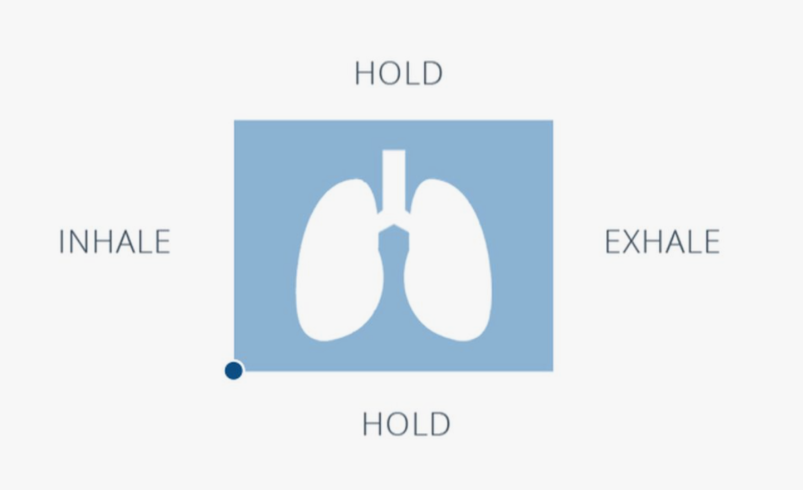

Breathing is something we do every moment, but paying attention to the rhythm of each breath can create a simple way to pause, slow down, and become more present. A structured breathing pattern can be especially useful when you are trying to relax after a busy day, prepare for sleep, improve concentration, or create a quiet moment during your routine.
An inhale hold exhale timer can make this practice easier because you do not have to keep checking a clock or counting every second yourself. Instead, the timer guides you through each stage of the breathing cycle so you can focus on your breath.
For people who want a convenient option without installing an app, a free breathing timer online can be a practical tool. You can open it in a browser and use it whenever you need a guided breathing session.
What Is an Inhale Hold Exhale Timer?
An inhale hold exhale timer is a breathing tool designed around three basic stages: inhaling, holding the breath, and exhaling.
For example, a simple breathing pattern might be:
- Inhale for 4 seconds
- Hold for 4 seconds
- Exhale for 6 seconds
- Repeat
The timer provides a visual or audio indication when it is time to move from one stage to the next. This removes the need to count continuously.
Different people may prefer different timings. A beginner might start with a short inhale, a comfortable hold, and a gentle exhale. Someone who already practices structured breathing may prefer a different rhythm.
The goal is not to force yourself to follow a difficult pattern. Breathing should remain comfortable and controlled.
Why Use a Breathing Timer?
Without a timer, it can be surprisingly difficult to maintain a consistent breathing rhythm. You may start counting, lose track, and then become distracted.
A timer creates an external rhythm that allows you to concentrate on the physical experience of breathing.
An inhale hold exhale timer can be useful during several everyday situations. You might use it before beginning work, during a short break, while preparing for bed, or after spending a long time looking at a screen.
It can also turn breathing practice into a repeatable habit. Instead of wondering how long you should continue, you can choose a session length and let the timer guide you.
How to Use a Free Breathing Timer Online
Using a free breathing timer online is generally straightforward.
First, choose a quiet place where you can sit comfortably. You do not necessarily need complete silence, but reducing distractions can make the exercise easier.
Next, select a breathing pattern that feels comfortable. If the timer allows customization, choose your inhale, hold, and exhale durations.
Then begin the session.
When the timer signals inhale, breathe in gently. During the hold phase, remain still and comfortable rather than forcing yourself to hold your breath. When the timer indicates exhale, slowly breathe out.
Continue for the selected number of cycles or minutes.
If a particular timing feels uncomfortable, stop and return to your normal breathing. Structured breathing should not become a test of endurance.
A Simple 4-4-6 Breathing Pattern
One example of a beginner-friendly pattern is a 4-4-6 cycle:
Inhale: 4 seconds
Hold: 4 seconds
Exhale: 6 seconds
The longer exhale gives the cycle a calm, unhurried rhythm. However, these numbers are only an example. They are not a requirement, and different people may find different patterns more comfortable.
You can also practice without a breath hold if holding your breath feels uncomfortable. For example, you could try inhaling for 4 seconds and exhaling for 6 seconds.
The best pattern is one that allows you to breathe comfortably without strain.
Breathing Timers for Relaxation
One common reason people use breathing timers is to create a relaxing pause during the day.
Imagine finishing a demanding task and immediately moving to another one. Your attention may remain focused on everything that needs to be done. Taking a few minutes to sit quietly and follow a breathing timer can create a clear transition between activities.
Rather than trying to think about several things at once, you have one simple task: follow the breathing rhythm.
A free breathing timer online can be particularly convenient because you can access it from a computer, tablet, or phone without needing a physical timer.
Using a Breathing Timer Before Sleep
A breathing timer may also fit into a nighttime routine.
Many people have difficulty creating a clear transition between daytime activities and bedtime. Scrolling through a phone, working late, or thinking about tomorrow can make it difficult to settle into a quiet routine.
You can place your device down after starting a short breathing session and focus on slow, comfortable breaths.
If you use a breathing timer at night, choose a gentle pattern rather than an intense or demanding one. The purpose should be to create a calm routine rather than challenge your breathing capacity.
If breath holding causes discomfort, dizziness, or anxiety, skip the hold and return to natural breathing.
Breathing and Focus
Breathing exercises can also be used as a short preparation activity before studying or working.
A few minutes of structured breathing can give you a clear starting point. Instead of immediately opening another task or checking another notification, you begin with a deliberate pause.
For example, you could use an inhale hold exhale timer for three to five minutes before reading, writing, studying, or starting an important project.
The timer helps you avoid repeatedly checking the time. Once the session finishes, you can move directly into your next activity.
Making Breathing Practice a Habit
Consistency is often more useful than making a single session very long.
You might choose a specific time each day, such as after waking up, during an afternoon break, or before bed. Keeping the practice short can make it easier to maintain.
A free breathing timer online can become part of that routine. Because you do not need special equipment, it can be easy to access whenever you want to practice.
You can also experiment with different settings. Some days, you may prefer a two-minute session. On other days, you may want to spend five or ten minutes following a comfortable rhythm.
Choose Comfort Over Complexity
There are many breathing patterns available, but more complicated does not necessarily mean better.
If you are new to timed breathing, start with a simple inhale-and-exhale rhythm. Once you are comfortable, you can experiment with a hold if it feels appropriate.
Pay attention to how your body responds. Stop the exercise if you experience significant dizziness, chest discomfort, shortness of breath, or other concerning symptoms.
People with respiratory, cardiovascular, or other health conditions should consider asking a healthcare professional whether particular breath-holding or breathing exercises are appropriate for them.
Final Thoughts
An inhale hold exhale timer provides a simple structure for practicing controlled breathing without constantly watching the clock. By guiding each stage of the cycle, it allows you to focus more closely on the rhythm of your breath.
A free breathing timer online can be especially convenient for everyday use because it requires no special equipment and can be accessed whenever you want a short breathing session.
Whether you use a timer for a morning routine, a work break, preparation for sleep, or a few quiet minutes during the day, keep the practice comfortable. Start with a simple rhythm, avoid forcing your breath, and adjust the timing to suit your needs.
Sometimes, a few minutes of intentional breathing can provide a useful pause in an otherwise busy day.