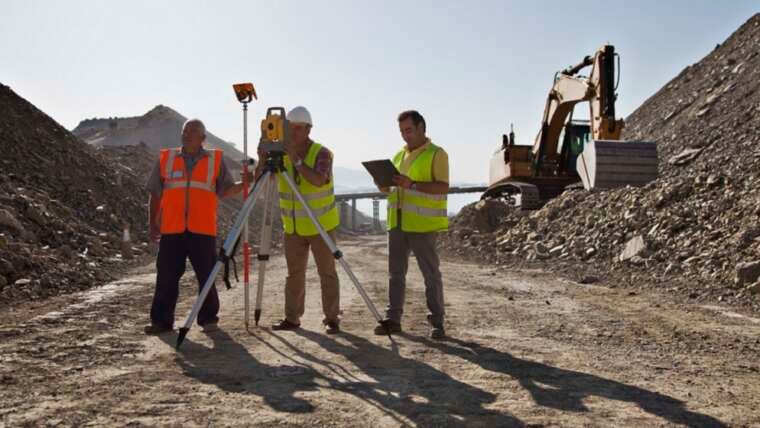

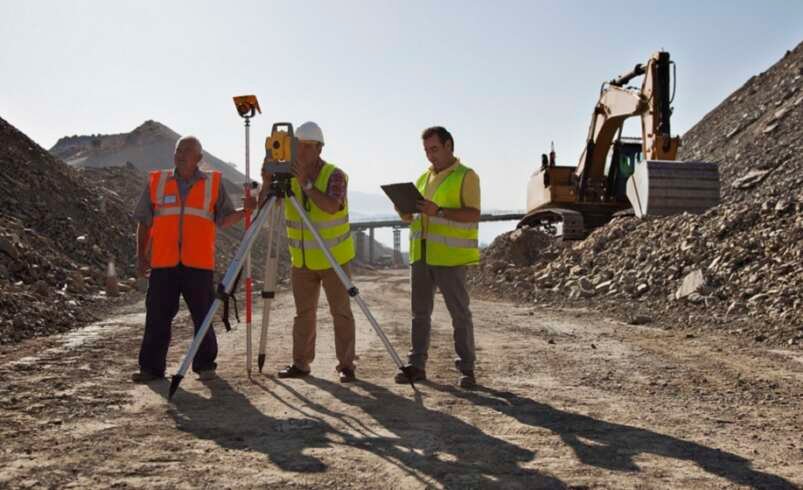

Excavation is an important stage of many construction projects. Proper planning and preparation can create the conditions needed for foundations, utilities, driveways, drainage systems, and other structures. A well-managed Construction site excavation project can also help reduce delays and create a safer work environment.
Why Excavation Matters in Construction?
Excavation involves removing soil, rock, or other materials to create the required space for construction. The depth and size of the excavation depend on the type of project being completed.
Foundation work often requires precise excavation. Utility installations may need trenches, while landscaping projects may require shallower ground preparation.
The quality of excavation can influence the stages that follow. If the ground is not prepared correctly, later construction work may become more difficult.
Begin With Site Evaluation
Before digging begins, the property should be evaluated. The contractor should understand the existing ground conditions, slopes, drainage patterns, and surrounding structures.
Soil type can affect how excavation should be approached. Loose soil, clay, rock, and other ground conditions may require different methods and equipment.
A site evaluation can also identify access limitations. Tight spaces or nearby structures may affect which equipment can be used.
Identify Underground Utilities
Underground utilities are a major consideration before excavation. Electrical lines, water pipes, gas lines, communication cables, and other services may be located below the surface.
Damaging an underground utility can create serious safety concerns and cause costly delays. Utility locations should therefore be identified before digging starts.
Professional planning can help reduce the chance of accidental damage. Contractors should follow applicable requirements for locating and protecting underground services.
Understand the Excavation Requirements
Every project has different excavation requirements. A foundation may require deep and precise excavation, while a driveway project may involve shallower preparation.
The contractor should understand the dimensions needed before work begins. This includes the required depth, width, slope, and overall location.
Clear measurements help prevent unnecessary soil removal. They also make it easier to prepare the site for the next stage of construction.
Select the Right Equipment
Excavation equipment should match the size and conditions of the project. Larger sites may require heavy machinery, while smaller areas may need compact equipment.
The available working space also affects equipment selection. A machine that works well on an open site may not be suitable for a narrow residential property.
Using appropriate equipment can make the work more efficient. It can also help reduce unnecessary disturbance to surrounding areas.
Consider Soil Conditions
Soil plays an important role in excavation. Different soil types can behave differently when disturbed.
Some soils may be easier to remove, while others can be compact, wet, rocky, or unstable. Understanding these conditions helps the contractor choose an appropriate approach.
Soil conditions can also affect foundation and grading work. If unexpected ground conditions are discovered, the construction plan may need to be adjusted.
Plan for Drainage
Water management should be considered during excavation. Rainwater or groundwater can collect in excavated areas and interfere with construction.
Proper site planning can help direct water away from the work area. Temporary drainage measures may sometimes be necessary during construction.
The final drainage design should also be considered. The excavation should support the long-term water management needs of the property.
Prepare for Foundation Work
Many excavation projects are completed to prepare for foundations. The excavation needs to match the planned foundation design.
Depth and dimensions should be carefully controlled. The ground should also be prepared so that the foundation can be installed properly.
Mistakes during this stage can affect the next stages of construction. Careful excavation provides a more suitable starting point for foundation work.
Excavation for Driveways
Driveway construction may also require excavation. Existing soil, old surfaces, or unsuitable material may need to be removed before the new driveway is installed.
The required depth depends on the planned driveway design and base materials. Proper grading is also important to support drainage.
A well-prepared base can help support a durable driveway. Poor preparation may contribute to settling, cracking, or drainage problems.
Excavation for Drainage Systems
Some properties require excavation for drainage improvements. Trenches may be needed for drainage pipes, channels, or other systems.
The location and slope of the excavation are important. Water needs to move in the intended direction without creating new problems elsewhere.
Drainage excavation should be planned as part of the larger property design. This helps ensure that the system works with existing ground levels.
Excavation for Utilities
Utility projects often require trenches. These trenches may be used for water lines, electrical conduits, communication cables, or other services.
The trench dimensions depend on the utility being installed. The contractor must also consider existing underground services.
Once the utility work is complete, the excavated area may need to be backfilled and compacted properly. This helps restore the ground and reduce future settling.
Manage Excavated Material
Excavation can produce a large amount of soil and other material. Before work begins, the contractor should determine what will happen to the excavated material.
Some soil may be suitable for reuse on the property. Other material may need to be transported away.
A clear material-handling plan can keep the site organized. It can also reduce unnecessary equipment movement during the project.
Protect Nearby Structures
Excavation near an existing building requires careful planning. Removing soil too close to a foundation can affect surrounding ground conditions.
The contractor should understand the relationship between the excavation and nearby structures. The work may need to be completed in stages depending on the site.
Protecting existing buildings, walls, driveways, and landscaping can help reduce unnecessary damage. Proper equipment selection is also important.
Consider Safety
Excavation areas can create hazards for workers and property occupants. Open trenches, heavy machinery, loose soil, and equipment movement all require careful management.
The work area should be controlled and organized. People who are not involved in the project should stay away from active excavation zones.
Safety procedures should also account for the specific site conditions. Deep or complex excavations may require additional protective measures.
Think About Weather
Weather can affect excavation work. Heavy rain can make soil wet and difficult to work with, while extreme conditions may affect equipment and site safety.
A contractor should monitor conditions throughout the project. Temporary measures may be needed to protect excavated areas from water.
Weather-related delays can sometimes be necessary to maintain safe working conditions. Planning for possible changes can help manage expectations.
Prepare the Site for Construction
Once excavation is complete, the area should be ready for the next stage. Depending on the project, this may involve foundation work, concrete installation, utility placement, or grading.
The excavated area should meet the required dimensions and conditions. Any necessary soil preparation should also be completed.
Good coordination between excavation and the next construction stage can help prevent delays. The contractor should understand what the following crew or process requires.
When to Hire a Professional
Excavation is not simply a matter of digging a hole. The work involves understanding soil, utilities, drainage, measurements, equipment, and construction requirements.
For property owners searching for an Excavation service near you, choosing an experienced local contractor can make the process easier. A professional team can evaluate the site, select appropriate equipment, manage excavated material, and prepare the ground for the next stage of construction.
FAQs
1. What is construction site excavation?
Construction site excavation involves removing soil, rock, or other materials to prepare an area for a building, foundation, utility, driveway, drainage system, or other construction project.
2. Why should underground utilities be located before excavation?
Underground utilities can create serious hazards if they are damaged. Identifying their locations before digging helps reduce the risk of accidents, service interruptions, and property damage.
3. Does soil type affect excavation?
Yes. Soil conditions can influence the equipment, digging methods, drainage requirements, and overall approach used for the project.
4. Can excavation help with drainage?
Yes. Excavation can create space for drainage pipes, channels, and other systems. Proper grading and planning are important to ensure water moves in the intended direction.
5. Can excavated soil be reused?
Sometimes. Suitable soil may be reused for grading or other site work. Material that is unsuitable or unnecessary may need to be removed from the property.
Conclusion
Proper excavation provides an important foundation for many construction projects. Careful site evaluation, utility checks, soil assessment, drainage planning, equipment selection, and safety practices can help create better conditions for the work that follows. For construction projects in Albuquerque, NM, Z-Constructors INC can provide professional solutions for excavation and other property development needs.