

A well-designed outdoor space can completely transform the appearance, comfort, and usability of a property. Whether you own a family home, manage a commercial building, or have a larger outdoor area that needs professional attention, thoughtful landscaping can make the environment more attractive and practical. From planting and lawn care to patios, pathways, fencing, drainage, and complete garden transformations, professional landscaping brings together design, construction, and maintenance to create outdoor spaces that work for everyday life.
Manchester properties can benefit greatly from carefully planned gardens and outdoor areas. The city has a mixture of traditional homes, modern developments, commercial premises, rental properties, and larger residential spaces, each with different landscaping requirements. Weather conditions also make it important to select suitable plants, durable materials, and practical drainage solutions.
Professional Landscaping Services in Manchester can help property owners turn an unused, tired, or poorly designed outdoor area into a space that is attractive, functional, and easier to maintain. A successful landscaping project is not simply about making a garden look good. It involves understanding the property’s layout, selecting appropriate materials, considering environmental conditions, and creating a design that remains useful over time.
Understanding Professional Landscaping
Landscaping involves the planning, improvement, construction, and maintenance of outdoor environments. It can range from relatively simple garden improvements to complete transformations involving hard landscaping, planting, drainage, lighting, fencing, and outdoor living areas.
What Does Landscaping Include?
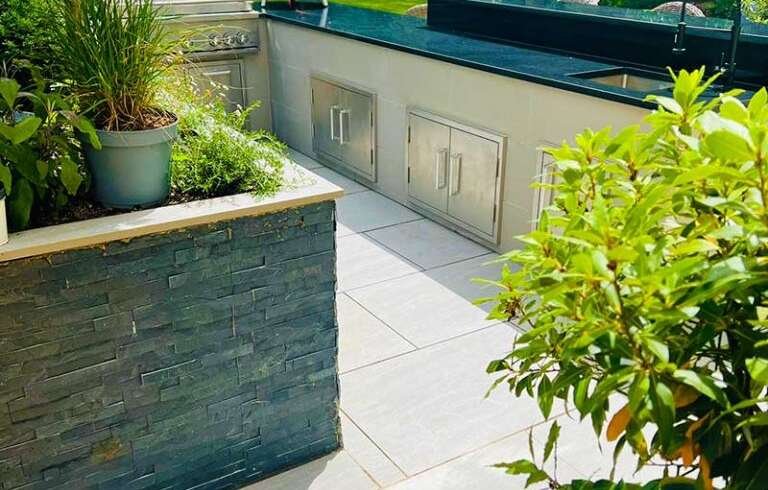
A professional landscaping project may include several different services depending on the condition and requirements of the property. Common areas include lawn installation, turfing, planting, garden clearance, paving, patios, pathways, fencing, retaining walls, raised beds, decking, drainage, and outdoor structures.
Some projects focus mainly on appearance, while others are designed to solve practical problems. For example, a garden with poor drainage may require ground preparation and water-management solutions before new planting or paving can be installed.
Why Planning Matters
Good landscaping begins with planning rather than construction. The available space, soil condition, sunlight, access, existing vegetation, drainage, and intended use of the garden should all be considered before work starts.
A well-planned design can also prevent unnecessary expenses. Choosing unsuitable plants or materials may result in additional maintenance and replacement costs later. Professional planning therefore helps create an outdoor area that balances appearance, durability, functionality, and maintenance requirements.
Benefits of Professional Garden Improvements
Investing in a professionally planned garden can provide benefits beyond visual appeal. A well-designed outdoor space can become an extension of the property and provide an area for relaxation, entertainment, children, pets, or everyday activities.
Improving Property Appearance
The garden is often one of the first parts of a property that visitors notice. Overgrown lawns, damaged paving, broken fencing, or poorly arranged planting can make an otherwise attractive property appear neglected.
Professional landscaping can introduce better proportions, clean boundaries, defined planting areas, and suitable materials. These improvements can create a more organised appearance while complementing the architectural style of the building.
Creating Usable Outdoor Areas
Modern gardens are increasingly being used as additional living spaces. Patios, seating areas, pathways, decking, and carefully positioned planting can create distinct zones for different activities.
For example, a garden could include a dining area close to the house, a quieter seating section further away, and a lawn or open space for children and pets. This approach makes the available space more useful without necessarily increasing the property’s footprint.
Supporting Long-Term Maintenance
A garden should be designed around the amount of maintenance the property owner can realistically provide. Some people enjoy gardening and prefer extensive planting, while others want a low-maintenance outdoor area.
Professional landscaping can help select suitable plants, surfaces, borders, and layouts according to maintenance preferences. The result can be a garden that remains attractive without requiring excessive time and effort.
Key Elements of a Successful Landscaping Project
Every property is different, so landscaping should be tailored rather than based on a one-size-fits-all design. Several important elements can influence the final result.
Hard Landscaping
Hard landscaping refers to the non-plant elements of an outdoor space. These can include patios, paths, paving, walls, steps, edging, fencing, decking, and other permanent features.
Material selection is particularly important because outdoor surfaces must withstand regular use and changing weather conditions. The colour, texture, size, and pattern of paving can also influence the overall appearance of the garden.
Soft Landscaping
Soft landscaping focuses on living elements such as grass, trees, shrubs, flowers, hedges, and other plants. Plant selection should take into account sunlight, soil conditions, available space, seasonal changes, and maintenance requirements.
Using a mixture of plants with different heights and textures can create depth and visual interest. Seasonal planting can also help ensure that the garden continues to look appealing throughout the year.
Garden Drainage
Drainage is an important consideration for outdoor areas, particularly where water tends to collect after heavy rainfall. Poor drainage can damage lawns, weaken paving, affect plant health, and create muddy or slippery areas.
A landscaping plan should identify drainage issues early. Depending on the site, solutions may include improved ground gradients, drainage channels, soakaways, permeable surfaces, or other suitable water-management approaches.
Designing Gardens for Manchester Properties
Manchester’s changing weather means that outdoor spaces should be designed with durability and practicality in mind. Heavy rainfall, damp conditions, and seasonal changes can affect plants, lawns, paving, timber, and other outdoor materials.
Choosing Suitable Materials
Outdoor materials should be selected according to their intended use and exposure to weather. Paving should provide appropriate grip and durability, while timber features may require suitable protection and maintenance.
Materials should also complement the property. Traditional houses may suit natural stone or classic paving styles, whereas contemporary properties may benefit from cleaner lines and modern finishes.
Selecting Appropriate Plants
Plant selection can have a major effect on the long-term success of a garden. Plants should be appropriate for the local growing conditions and positioned according to their sunlight requirements.
Native and well-adapted plants can often provide practical benefits while supporting local biodiversity. Combining evergreen plants with seasonal varieties can also maintain structure and interest throughout different times of the year.
Making the Most of Limited Space
Not every Manchester property has a large garden. Smaller outdoor spaces can still be transformed through careful design.
Vertical planting, raised beds, compact seating areas, built-in storage, and clearly defined zones can make a small garden feel more organised. Using consistent materials and avoiding unnecessary visual clutter can also create a stronger sense of space.
Landscaping for Different Property Types
Different properties require different approaches. A residential family garden may need open lawn space, while a commercial property might prioritise appearance, access, and durability.
Residential Landscaping
Homeowners often want gardens that provide a balance between beauty and practicality. Families may require lawns and open areas, while homeowners who entertain guests may prefer patios, seating areas, outdoor lighting, or decorative planting.
A professional design can combine these requirements into a coherent layout rather than treating every feature separately.
Commercial Landscaping
Commercial properties can benefit from attractive and well-maintained outdoor spaces because the external environment contributes to the overall impression of a business.
Offices, retail premises, hospitality properties, and other commercial buildings may require pathways, planted areas, parking surrounds, entrance landscaping, or low-maintenance designs that remain presentable throughout the year.
Rental and Investment Properties
Landscaping can also be useful for landlords and property investors. A clean, tidy, and practical garden can improve the presentation of a rental property and make outdoor areas more appealing to prospective tenants.
Low-maintenance solutions are often particularly useful for rental properties because they can reduce the level of ongoing garden care required.
Choosing a Landscaping Professional
In addition to Landscaping Services in Manchester selecting the right landscaping provider is an important part of achieving a successful result. Property owners should consider experience, previous work, communication, materials, project planning, and customer feedback before making a decision.
Review Previous Projects
Looking at examples of completed landscaping work can help property owners understand the quality and style of a provider’s work. Photos of previous gardens may also provide useful inspiration for layout, planting, paving, and outdoor features.
Discuss the Project Clearly
A detailed discussion before work begins can help establish expectations. The property owner should explain how the garden will be used, what features are important, the preferred maintenance level, and any existing problems that need to be addressed.
The provider should also explain the proposed work, materials, preparation requirements, expected timescales, and any factors that could affect the project.
Consider Quality Rather Than Price Alone
Cost is naturally an important consideration, but the cheapest option is not always the most economical over the long term. Poor-quality materials or inadequate preparation can lead to repairs and replacement work.
A better approach is to compare the overall value of the proposed service, including workmanship, materials, durability, communication, and aftercare.
Creating More Sustainable Outdoor Spaces
Modern landscaping can also incorporate environmentally responsible practices. Sustainable design can reduce unnecessary water use, support biodiversity, and make better use of existing natural resources.
Permeable Surfaces
Permeable paving can allow rainwater to pass through the surface rather than creating excessive surface runoff. This can be useful in suitable garden areas where water management is a concern.
Wildlife-Friendly Planting
Plants that provide food and shelter for insects, birds, and other wildlife can contribute to a healthier garden ecosystem. A carefully selected mixture of flowering plants, shrubs, and other vegetation can add both visual interest and ecological value.
Reducing Excessive Maintenance
A sustainable garden does not necessarily need to be completely natural or wild. Instead, it can be designed intelligently with suitable plants, efficient layouts, durable materials, and sensible maintenance requirements.
How to Prepare for a Landscaping Project
Good preparation can make the landscaping process smoother and help avoid unexpected problems.
Assess the Existing Garden
Before making changes, identify what is already working and what needs improvement. Existing mature trees, healthy plants, usable paving, and structural features may be worth retaining.
Establish Priorities
Create a list of essential improvements and optional features. This makes it easier to manage the project according to the available budget and prevents unnecessary additions from taking attention away from the most important work.
Plan for the Future
A garden should not only look attractive immediately after completion. Trees grow, plants spread, materials, weather, and outdoor spaces change with use. Planning for these changes can help maintain the garden’s appearance and functionality over the years.
Why Quality Landscaping Is a Long-Term Investment
A professionally designed garden can provide value for many years when it is built with appropriate materials and proper preparation. Good landscaping improves usability while creating an environment that can be enjoyed throughout different seasons.
The benefits are especially noticeable when design and construction work together. A beautiful patio is more useful when it has suitable access. Attractive planting is more successful when the soil and drainage are appropriate. A lawn performs better when the ground has been properly prepared.
This is why Landscaping Services in Manchester should be approached as a complete outdoor improvement project rather than simply a collection of individual garden tasks. Every feature should contribute to the overall design and purpose of the space.
Final Thoughts
A successful landscape combines appearance, practicality, durability, and thoughtful planning. From garden redesign and planting to patios, pathways, fencing, drainage, and outdoor living areas, the right improvements can turn an ordinary garden into a valuable and enjoyable part of a property.
For homeowners and businesses considering Landscaping Services in Manchester, professional planning can make it easier to create an outdoor environment suited to the property, lifestyle, budget, and long-term maintenance requirements. With careful material selection, appropriate planting, practical layouts, and quality workmanship, landscaping can deliver lasting improvements rather than short-term visual changes.
Whether the goal is a complete garden transformation or a focused improvement to an existing outdoor area, The Renovation Experts can help create a well-planned and functional landscape that complements the property and provides lasting value.