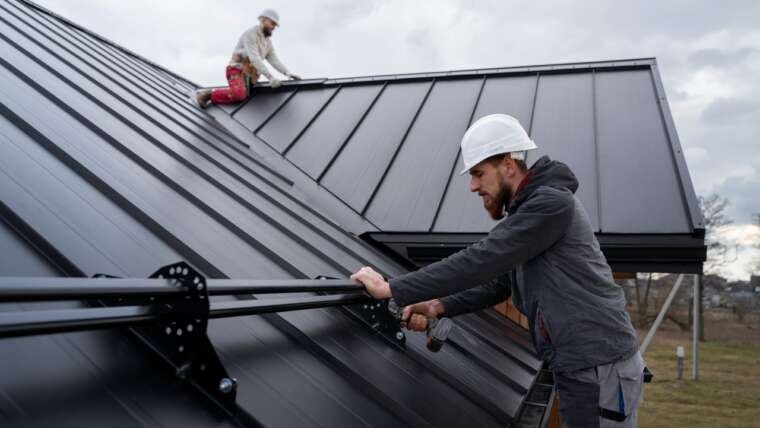


A new roof is a significant property improvement that requires careful planning and appropriate materials. Choosing a professional Roofing installation company can help property owners organize the project around the building’s design, existing roof condition, materials, drainage, and installation requirements. A clear plan can make the roofing process easier to understand and manage.
Understanding Roof Installation
Roof installation involves more than placing new materials over a building. The project can include removing existing materials, preparing the roof deck, installing underlayment, placing flashing, managing ventilation, and installing the selected roofing material.
The exact process depends on the roof design and materials. Property owners should discuss the expected scope with the roofing professional before work begins.
Assessing the Existing Roof
Before installing a new roof, the condition of the existing system should be evaluated. Damage to the roof deck or other underlying components may need attention before new materials are installed.
An assessment can also help determine whether complete replacement is appropriate. The decision should consider the age, condition, material, and overall performance of the existing roof.
Choosing Roofing Materials
Roofing materials come in different styles, performance characteristics, maintenance requirements, and price ranges. Asphalt shingles, metal, tile, and other materials may be suitable for different properties.
Property owners should consider the building’s design, local weather conditions, budget, and long-term maintenance requirements when selecting materials.
Preparing the Roof Surface
Proper preparation can contribute to the performance of a new roofing system. Depending on the project, preparation may include removing old materials and checking the underlying structure.
Any damaged areas should be addressed before the new roofing materials are installed. Proper preparation can help create a suitable base for the finished roof.
Underlayment and Flashing
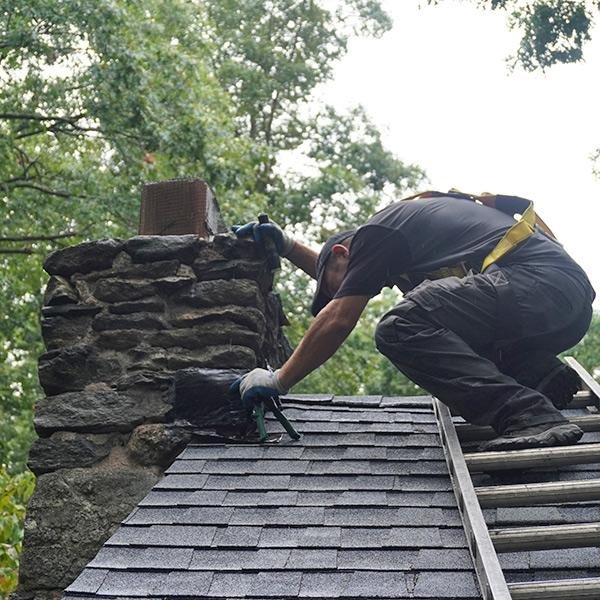
Underlayment provides an additional protective layer beneath many roofing materials. Flashing helps protect transitions and areas where the roof meets walls, vents, chimneys, and other structures.
These components play important roles in managing moisture. Their installation should be completed according to the requirements of the roofing system.
Roof Ventilation
Ventilation can affect the overall performance of certain roofing systems. Proper airflow can help manage heat and moisture in appropriate attic spaces.
Ventilation requirements vary by property and roof design. Property owners should discuss the existing ventilation system and any recommended improvements with their contractor.
Roof Drainage
A properly designed roof should direct water away from the building. Gutters, downspouts, valleys, drains, and other components can contribute to effective water management.
During installation, drainage should be considered alongside the roofing material and roof design. Poor water management can create unnecessary concerns over time.
Residential Roof Installation
Homeowners may replace a roof because of age, storm damage, extensive wear, remodeling plans, or other reasons. A residential roofing project should consider the home’s structure and exterior appearance.
Property owners can discuss material options, project timing, preparation, and maintenance expectations before work begins.
Commercial Roof Installation
Commercial roofing projects can involve larger surfaces and more complex building systems. Access, rooftop equipment, drainage, business operations, and scheduling may all affect the project.
Businesses should provide accurate information about the building and expected work area. Planning can help reduce disruptions while the project is underway.
Planning the Project Schedule
Roof installation can require several stages of preparation and construction. The schedule may depend on roof size, materials, weather, property access, and the amount of preparation required.
Property owners should discuss expected project timing with the contractor. Clear communication can help everyone understand the planned sequence of work.
Preparing the Property
Before installation begins, property owners may need to move vehicles, outdoor items, or other belongings away from work areas. Contractors can provide specific preparation instructions based on the property.
Customers should also inform the roofing provider about access limitations or other site conditions. This can help the crew prepare appropriately.
Roof Installation and Weather
Weather can affect roofing work, particularly when materials or surfaces need to remain dry during installation. Rain, strong winds, and other conditions may influence the schedule.
Property owners should remain flexible about timing when weather conditions create unsafe or unsuitable working conditions. The contractor can provide updates when scheduling changes are necessary.
Maintaining a New Roof
A new roof still requires ongoing care. Regular inspections, drainage maintenance, and attention to visible damage can help property owners monitor the condition of the system.
Maintenance needs vary by roofing material. Customers should ask about recommended care and inspection practices after installation.
Selecting a Roofing Provider
When selecting a roofing provider, customers can consider experience, communication, material knowledge, availability, and familiarity with projects similar to their own.
It is useful to request a clear explanation of the project scope. Property owners should understand what preparation, materials, installation work, and cleanup are expected.
Roofing Installation Planning
A successful roofing project begins with accurate information about the property and its existing roof. Customers should communicate their goals, concerns, preferred materials, and any known problems.
The contractor can then evaluate the property and discuss practical options. Clear planning can help reduce confusion and establish realistic expectations for the project.
A Roofing company near you search can help property owners find local providers and compare available roofing services based on their project requirements.
FAQs
1. When should a roof be replaced?
Roof replacement may be appropriate when a roofing system is significantly aged, extensively damaged, or no longer performing properly. A professional evaluation can help determine whether replacement is necessary.
2. How long does roof installation take?
Project duration varies based on roof size, materials, weather, preparation, access, and other factors. The contractor can provide a project-specific estimate.
3. What should homeowners do before roof installation?
Homeowners may need to clear vehicles and belongings from work areas and provide access to the property. The roofing contractor can provide specific preparation instructions.
4. Can roofing materials be selected based on appearance?
Yes. Appearance can be one consideration when choosing roofing materials, along with durability, maintenance, compatibility, budget, and other practical factors.
5. Does a new roof require maintenance?
Yes. A new roof should still receive appropriate inspections and maintenance. Regular attention can help property owners monitor its condition over time.
Conclusion
Roof installation is a significant project that benefits from careful preparation, suitable materials, proper installation, and clear communication. Understanding the process can help property owners make informed decisions about their roofing needs. Alliance Roofing & Remodeling provides practical roofing solutions for customers in Fort Worth, TX, including installation and other roofing services.