
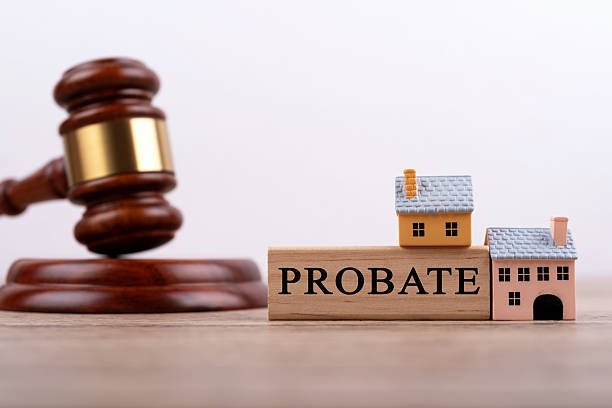

A probate auction is a property auction involving assets from an estate after someone has died. The property may be sold to help distribute the estate according to the legal process.
These auctions can include houses, flats, land, commercial buildings, and other property assets. Buyers may find different types of opportunities, but careful research is important before bidding.
What Is a Probate Auction?
A probate auction is a method of selling property connected with a probate estate. Probate is the legal process used to deal with a person’s assets after their death.
The executors or administrators responsible for the estate may decide to sell property. An auction can provide a structured way to market and sell the asset.
The property is normally listed with details about its condition, location, tenure, and auction terms.
Why Are Probate Properties Sold at Auction?
There are several reasons why an estate property may be offered through auction.
Estate Distribution
A property may need to be sold so the value can be distributed between beneficiaries.
Property Condition
Some probate properties have been empty for a period of time. Others may require significant repairs or modernisation.
Auction can attract buyers who are comfortable purchasing properties that need work.
Faster Sale Process
An auction provides a defined timetable for marketing and bidding. Once a sale reaches the required conditions, the transaction can progress according to the auction terms.
What Types of Property Can Appear?
Probate auctions are not limited to standard houses.
Potential auction lots can include:
- Terraced houses
- Semi-detached properties
- Detached homes
- Flats
- Bungalows
- Land
- Garages
- Commercial buildings
- Development opportunities
The condition and circumstances of each property can be different.
How Does a Probate Auction Work?
The process is similar to other property auctions, although the property forms part of a probate estate.
Property Is Valued
The property is usually assessed before marketing. An auctioneer may provide a guide price based on market conditions and the property’s circumstances.
The Property Is Advertised
The auctioneer publishes information about the property. This may include photographs, descriptions, viewing details, and important legal information.
Buyers Conduct Research
Potential buyers should investigate the property before bidding. This includes checking its condition, location, tenure, and potential costs.
Legal Documents Are Reviewed
A legal pack may contain contracts, title information, searches, special conditions, and other relevant documents.
Bidding Takes Place
The auction may take place online or through another auction format. Buyers compete by placing bids according to the auction rules.
What Should Buyers Check Before Bidding?
Research is particularly important when buying a probate property.
Property Condition
Some probate properties may have been occupied by elderly owners or left vacant. They can require repairs, cleaning, or complete refurbishment.
Arrange a viewing where possible. Consider the likely cost of improving the property before deciding your maximum bid.
Legal Pack
Read the legal pack carefully. Pay attention to special conditions, restrictions, leases, rights of way, and additional charges.
Professional legal advice can be useful if you do not understand any part of the documentation.
Tenure
Check whether the property is freehold or leasehold. For leasehold properties, review the remaining lease term and applicable charges.
Planning Information
If you intend to extend, convert, or develop the property, investigate planning requirements before bidding.
A potential development opportunity does not guarantee planning permission.
What Is a Guide Price?
A guide price provides an indication of the level at which the property may be offered or sold.
It should not automatically be treated as the final purchase price.
Competitive bidding can push the price higher than the guide. Buyers should therefore decide their maximum budget before the auction begins.
Additional Costs to Consider
The purchase price is not always the only expense.
Depending on the auction conditions, buyers may need to consider:
- Auction fees
- Legal costs
- Stamp Duty Land Tax
- Survey costs
- Mortgage expenses
- Renovation costs
- Insurance
- Removal costs
- Ongoing property expenses
Always check the auction’s special conditions for additional charges.
Can You Get a Mortgage for a Probate Auction?
Mortgage finance may be possible, but it depends on the property and lender.
Some auction properties require substantial repairs. A property in poor condition may not meet standard mortgage requirements.
Buyers using finance should arrange funding before bidding. Auction deadlines can be much shorter than those involved in a conventional property purchase.
Advantages of Probate Auctions
A probate auction can offer several potential advantages.
Buyers may find properties that require renovation or have unusual characteristics. Some lots may also attract less competition than standard residential listings.
The auction process can provide a clear timetable and transparent bidding environment.
However, every property should be assessed individually. An attractive guide price does not automatically represent good value.
Risks of Buying Probate Property
Probate properties can carry additional risks.
A property may require more repairs than expected. Legal conditions can also contain important obligations.
There may also be issues involving access, boundaries, planning, occupancy, or lease terms.
This is why buyers should complete their research before placing a bid.
Final Thoughts
A probate auction can provide an alternative route to purchasing property connected with an estate. Houses, flats, land, and other assets can all potentially be sold through auction.
The most important step is preparation. Buyers should inspect the property, review the legal pack, understand additional costs, arrange suitable finance, and establish a realistic maximum bid before participating.