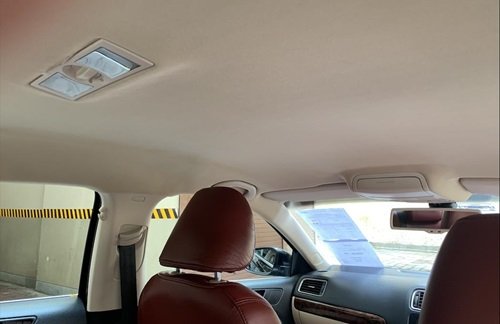

Automotive interiors play an important role in vehicle comfort, appearance, durability, and perceived quality. From passenger car seats and door panels to commercial vehicle upholstery, manufacturers need materials that balance visual appeal with practical performance. PVC artificial leather is one material used in these applications because it can be produced with different surface textures, colors, thicknesses, and backing fabrics to meet specific design and manufacturing requirements.
For automotive manufacturers, seat-cover producers, component suppliers, and procurement teams, selecting the right material involves more than comparing appearance or price. The intended application, expected wear, cleaning practices, flexibility, dimensional requirements, and applicable safety specifications must all be considered before a material is approved.
PolyFabs, the brand of Premier Polyfilms Limited, offers PVC artificial leather for automotive interiors alongside materials for other transport and commercial seating applications. Its automotive range includes AMRI, GERMAN, ASTER, LEXUS, and NUBUK, with different specifications available for buyers to evaluate. These options provide a starting point for discussions between manufacturers and procurement teams seeking materials suited to their vehicle interior projects.
What Makes PVC Artificial Leather Suitable for Automotive Interiors?
PVC artificial leather is a coated material made using polyvinyl chloride and a supporting fabric layer. Depending on the formulation and manufacturing process, the finished material can be designed with particular levels of flexibility, surface texture, color, and functional characteristics.
In automotive upholstery, these characteristics matter because interior materials are exposed to regular contact, friction, temperature changes, cleaning products, and everyday use. A material selected for a seat surface may have different requirements from one intended for a door insert or another interior component.
The backing fabric also influences the material’s behavior during fabrication and use. Polyester, nylon, cotton, woven, and knitted fabric options may be considered depending on the required specification. The appropriate combination depends on the component design, upholstery method, and performance expectations established by the vehicle manufacturer or component buyer.
Another consideration is design consistency. Automotive projects often require coordinated interior colors, textures, and finishes across multiple components. A suitable artificial leather supplier should therefore be able to discuss available product options and clarify which specifications can be supplied for a particular project.
Key Specifications Automotive Buyers Should Evaluate
When sourcing PVC artificial leather for automotive applications, buyers should review the technical specification rather than relying on a general product description. Thickness, coating composition, weight, fabric backing, and width all affect material selection and its suitability for the intended manufacturing process.
According to the published PolyFabs automotive product range, the available specifications include thicknesses of 0.70 mm, 0.80 mm, 0.85 mm, and 1.00 mm. The coating composition is listed as 100% PVC, with fabric-layer choices including polyester, nylon, cotton, woven, and knitted fabrics depending on specifications. The stated weight range is 500–1000 GSM, with a standard width of 1370 mm and options available up to 1500 mm. Actual availability should be confirmed for the selected product.
Thickness should be evaluated in relation to the intended component rather than treated as a stand-alone measure of quality. A thinner material may suit one design, while a thicker construction may be appropriate for another. Similarly, weight and backing construction should be assessed alongside flexibility, surface requirements, and the production process.
Width can also affect material utilization during cutting and upholstery. Buyers should compare the supplied roll dimensions with component patterns and production layouts to estimate waste and improve purchasing efficiency.
Important Performance Characteristics in Vehicle Upholstery
Automotive seating and interior materials must be selected according to the conditions they are expected to encounter. Abrasion resistance is important where repeated friction occurs, particularly on seat surfaces that experience regular entry, exit, and movement. Color fastness matters where the appearance of the interior needs to remain consistent during normal use and cleaning.
Weather resistance can be relevant for components exposed to environmental conditions, while anti-stain properties may support routine maintenance. Other considerations include flexibility, surface finish, resistance to wear, and compatibility with the intended upholstery construction.
The PolyFabs automotive range lists features such as high abrasion resistance, fire retardancy, color fastness, weather resistance, anti-stain properties, anti-fogging, and anti-bacterial or anti-fungal treatments, as applicable to requirements. Heavy-metal-free and RoHS-compliant options are also listed. Buyers should confirm the specific features, supporting documentation, and applicable test criteria for the exact material being considered rather than assuming that every feature applies to every variant.
Fire-related requirements deserve particular attention. Requirements can differ by vehicle type, component location, customer specification, and relevant regulations. A purchasing team should identify the applicable test method and acceptance criteria before approving a product. A general description such as “fire retardant” should not replace product-specific technical evidence.
How PVC Artificial Leather Is Manufactured
Understanding the manufacturing process helps automotive buyers ask more informed questions about material construction and consistency. PVC artificial leather production can involve preparing a formulation containing PVC resin and other ingredients, coating the material onto a release surface, drying it under controlled processing conditions, and bonding it to a suitable backing fabric. Finishing processes may include embossing, printing, or lamination, depending on the desired appearance and product design.
The formulation and processing conditions influence the final material’s properties. Different applications may require different combinations of flexibility, strength, surface characteristics, and other performance attributes. For example, material intended for upholstery may require a different balance of properties from material intended for another end use.
Premier Polyfilms Limited describes coating, calendering, printing, lamination, embossing, in-house testing, and fabric manufacturing among its capabilities. These processes are relevant to the production and finishing of PVC products, although the exact process route depends on the material being manufactured.
For OEM buyers, it is useful to discuss how the product is constructed, which specifications are controlled, and what documentation can be supplied. Clear communication about approved samples, tolerances, finish, and order requirements can help reduce avoidable differences between the selected material and delivered production batches.
Choosing an Automotive PVC Artificial Leather OEM Supplier
Selecting a PVC artificial leather OEM supplier involves evaluating technical suitability, manufacturing capability, communication, and the ability to meet project specifications. The lowest quoted price may not represent the best overall purchasing decision if the material does not perform as required or creates avoidable difficulties during fabrication.
Buyers should begin by defining the intended component and its operating conditions. Seat upholstery, door panels, and other interior applications can have different requirements. Once the application is clear, procurement teams can establish the required thickness, width, weight, backing fabric, surface texture, color, and relevant performance criteria.
The next step is to request a representative sample and review it against the project specification. Where applicable, testing should cover the relevant properties, such as abrasion resistance, color fastness, and fire performance. Buyers should also establish how the supplier identifies product variants and manages specification changes.
Manufacturing consistency is another important consideration. Repeat orders should refer to an agreed specification rather than relying solely on a product name or visual description. It is also useful to discuss minimum order quantities, lead times, packaging, and the availability of technical documentation before placing a production order.
For businesses comparing an automotive artificial leather manufacturer with a general PVC leather supplier, application experience and the ability to discuss detailed requirements can be valuable factors in the evaluation process.
Why Consider PolyFabs for Automotive Material Requirements?
PolyFabs operates under Premier Polyfilms Limited, a company incorporated in 1992. The company’s product portfolio includes artificial leather for transport applications, PVC films and printed sheeting, PVC flooring, and other PVC product categories. Its published capabilities include coating, calendering, printing, lamination, embossing, and in-house testing.
For automotive buyers, the published artificial leather range includes AMRI, GERMAN, ASTER, LEXUS, and NUBUK. These product options have different thickness specifications within the company’s listed automotive range, allowing buyers to begin discussions around the needs of their particular application.
PolyFabs may also be relevant to businesses evaluating multiple PVC material categories through one manufacturer. However, product suitability should always be determined by matching the actual specification to the intended use, rather than assuming that one material is appropriate for every vehicle interior component.
The Relationship Between PVC Leather and Export Quality
Businesses searching for PVC artificial leather export quality should look beyond the material’s country of origin or appearance. Export-oriented procurement generally benefits from clear specifications, consistent product identification, suitable packaging, and documentation that supports the buyer’s technical and commercial requirements.
For international orders, buyers should establish the required roll width, thickness tolerance, weight, color, surface finish, backing construction, and applicable performance criteria before production. Any destination-specific regulatory requirements should also be identified and verified for the intended application.
Premier Polyfilms Limited serves automotive and transport interior requirements in India and overseas, according to its company information. Buyers evaluating the company as a potential supplier should confirm the availability of their requested specification, relevant documentation, commercial terms, and delivery arrangements directly with the manufacturer.
This approach supports more transparent supplier evaluation and helps buyers compare products on the basis of documented requirements rather than broad marketing descriptions.
Frequently Asked Questions
What is PVC artificial leather used for in automotive applications?
PVC artificial leather can be used for vehicle seat upholstery and selected interior applications. The appropriate material depends on the component design, required surface finish, durability expectations, and applicable technical specifications.
What thickness options are available from PolyFabs for automotive PVC leather?
The published PolyFabs automotive range lists thicknesses of 0.70 mm, 0.80 mm, 0.85 mm, and 1.00 mm. Buyers should confirm availability for the specific product and order requirements.
Which backing fabrics can be used in automotive artificial leather?
The listed options include polyester, nylon, cotton, woven fabrics, and knitted fabrics, depending on the required specification. The suitable backing should be selected according to the intended application and manufacturing process.
How can buyers evaluate a PVC artificial leather OEM supplier?
Buyers should assess product specifications, sample quality, relevant test documentation, manufacturing capabilities, communication, delivery arrangements, and the supplier’s ability to meet agreed requirements consistently.
Is PVC leather suitable for every automotive interior component?
No. Different components have different design, fabrication, and performance requirements. Material selection should be based on the intended use and verified technical specifications.
Conclusion
Selecting PVC artificial leather for automotive interiors requires a balanced assessment of material construction, technical specifications, appearance, durability, and project requirements. Thickness, backing fabric, width, and performance characteristics should all be reviewed before approving a material for production.
For OEMs, component manufacturers, and procurement professionals, a clearly defined specification and direct communication with the supplier can make sourcing more efficient. PolyFabs, under Premier Polyfilms Limited, offers a range of PVC artificial leather options for automotive applications, providing a starting point for buyers to compare available products and discuss their specific requirements.