
Choosing the right ring is about more than finding a beautiful design. Comfort and fit are equally important, especially when purchasing an engagement ring, wedding band, or everyday jewelry. A ring that is too tight can feel uncomfortable, while one that is too loose may slip off without notice. This is why understanding a ring size chart is an important step before buying any type of ring.
Many people are unsure about their correct ring size because sizing can vary between countries, jewelry brands, and ring styles. Fortunately, measuring your finger at home is possible with a few simple tools. By learning how ring measurements work and comparing them with standard sizing guides, you can make a more confident purchase.
Why Is Choosing the Correct Ring Size Important?
A well-fitted ring should feel comfortable throughout the day. It should slide over your knuckle with slight resistance and sit securely at the base of your finger. You should not need to force it on or struggle when taking it off.
The right fit also protects your jewelry. A loose ring can fall off while washing your hands, exercising, or performing daily activities. On the other hand, a very tight ring can cause discomfort, particularly when your fingers naturally swell.
Comfort and Everyday Wear
People wear rings in different situations, from office work to outdoor activities. Your fingers may change slightly in size depending on temperature, hydration, and physical activity.
For this reason, it is important to measure your finger under normal conditions. A reliable ring size chart helps you compare your measurement with standard jewelry sizes instead of relying on guesswork.
Protecting Your Jewelry Investment
Engagement rings, wedding bands, and precious metal jewelry can be valuable purchases. Selecting the correct size reduces the chance of needing adjustments after buying.
Some rings are also more difficult or expensive to resize than others. Designs featuring gemstones around the entire band, for example, may require special attention from a professional jeweler.
Understanding a Standard Ring Size Chart
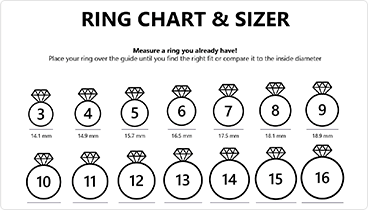
A ring size chart connects finger measurements with standard jewelry sizes. Depending on the sizing system, measurements may be shown using numbers, letters, or millimeters.
In the United States, ring sizes commonly use numbers such as 5, 6, 7, and 8. The UK system uses letters, while many European countries use measurements based on the inner circumference of the ring in millimeters.
Common Ring Measurements
Two important measurements are used when determining ring size: inner diameter and inner circumference.
Inner diameter measures the distance across the inside of a ring. Inner circumference measures the distance around the inside of the band. Both measurements can help identify the correct size when compared with a suitable sizing guide.
International Ring Size Differences
International sizing systems can make online jewelry shopping confusing. A US size 7, for example, does not use the same number or letter as every other country’s sizing system.
Before ordering from an international jewelry store, check which measurement system the seller uses. A ring size chart designed for US sizing may not be suitable for a UK or European order without conversion.
How to Measure Your Ring Size at Home
You do not always need to visit a jewelry store to find your approximate ring size. A few household tools can help you measure your finger, although a professional ring sizer is usually more reliable.
Method 1: Use a Measuring Tape
A flexible measuring tape is one of the easiest ways to check your finger size.
Wrap it around the base of the finger where you plan to wear the ring. Make sure it is comfortably snug rather than tight, and record the measurement in millimeters.
Compare the result with a ring size chart that uses circumference measurements. This will help you identify the closest standard size.
Method 2: Use a Strip of Paper
If you do not have a measuring tape, a narrow strip of paper can work as an alternative.
Wrap the paper around your finger and mark the point where the ends meet. Lay it flat and measure the distance between the marks using a ruler.
This measurement gives you the approximate circumference of your finger. Compare it with a reliable sizing guide to find the closest match.
Method 3: Measure an Existing Ring
Another option is to use a ring that already fits the same finger comfortably.
Place it on a flat surface and measure the inside diameter with a ruler. Avoid including the thickness of the metal band because only the internal opening matters.
Use the diameter measurement to find the closest size in a suitable ring size chart. Make sure the existing ring is designed for the same finger you want to measure.
Factors That Can Affect Your Ring Size
Your finger size is not always exactly the same throughout the day. Several natural and practical factors can influence how a ring feels.
Temperature and Weather
Cold temperatures can make fingers smaller, while warm weather may cause temporary swelling. Measuring your finger when it is unusually cold or hot can lead to an inaccurate result.
For a more reliable measurement, check your size at room temperature. Taking two or three measurements at different times can also help you identify a consistent result.
Finger Shape and Knuckle Size
Some people have larger knuckles than the base of their fingers. In these cases, the ring must pass comfortably over the knuckle while remaining secure when worn.
A professional jeweler can help determine the best fit for this finger shape. The goal is to find a size that balances comfort and security.
Ring Band Width
The width of a ring can affect how it feels. Wider bands cover more of your finger and may feel tighter than narrow designs of the same nominal size.
If you are purchasing a wide wedding band, ask the jeweler whether a slightly different size is recommended. Always follow the manufacturer’s sizing guidance rather than automatically increasing the size.
Choosing the Right Ring Size for Different Occasions
Different types of rings may require different considerations. The design, width, and intended use can all influence the final choice.
Engagement Rings
Engagement rings are often worn every day, making comfort especially important. Since many designs include a central gemstone, the ring should fit securely without putting unnecessary pressure on the finger.
If you are buying an engagement ring as a surprise, consider borrowing a ring that your partner already wears on the correct finger. A jeweler can use it to estimate the size without revealing your plans.
Wedding Bands
Wedding bands are usually designed for long-term wear. A comfortable fit is essential because they are often worn throughout the day.
Before ordering, compare your measurement with a suitable ring size chart and consider the band’s width. Matching wedding bands should also be measured individually because two people may have different finger shapes and sizes.
Fashion and Everyday Rings
Fashion rings come in many shapes and styles. Some have adjustable bands, while others use fixed sizing.
For daily use, choose a design that feels comfortable during normal activities. Avoid selecting a size based only on how the ring looks in a product photograph.
Common Ring Sizing Mistakes to Avoid
One common mistake is measuring a finger only once. Small changes in temperature or measuring pressure can affect the result, so repeated measurements are a better approach.
Another mistake is assuming every brand follows the same sizing standards. Always check the retailer’s own guide before purchasing, especially when ordering from another country.
People also forget to consider the ring’s width. A wide band may feel tighter than a thin one, even when both have identical measurements.
Finally, avoid guessing your size based on someone else’s ring. Finger measurements differ, even between people who have similar hand sizes.
Conclusion
Finding the correct ring size does not have to be difficult. With a few simple measuring methods and an understanding of international sizing systems, you can make a more informed jewelry purchase.
A reliable ring size chart is a useful starting point, but your finger shape, ring width, and personal comfort should also influence your decision. Whether you are buying an engagement ring, wedding band, or fashion accessory, taking time to measure correctly can help you enjoy a comfortable fit for years to come.