
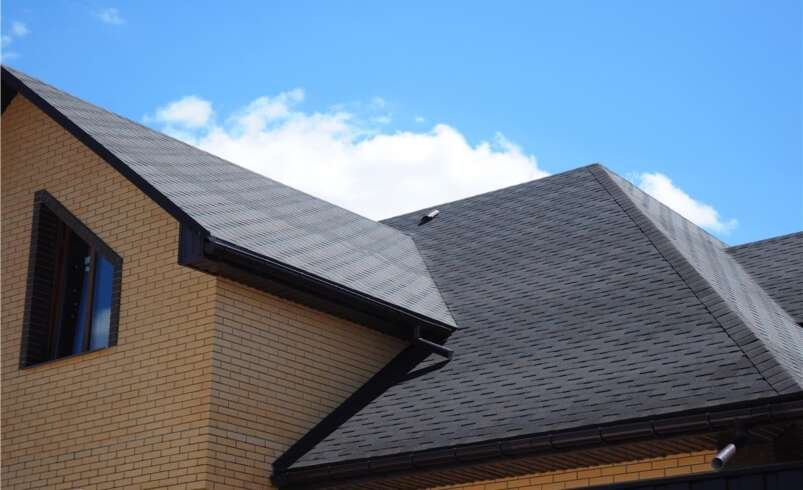

A home’s roofing system is responsible for handling many of the environmental conditions that affect a property throughout the year. Rain, snow, wind, sunlight, and changing temperatures can gradually influence roofing materials and supporting components. Regular care can help homeowners understand these changes and plan appropriate maintenance.
For property owners researching a Roofing contarctor Cabonsburg PA, it is useful to consider the complete roofing system before deciding on a service. Exterior materials, flashing, drainage, ventilation, underlayment, and installation quality can all contribute to long-term performance.
Making informed roofing decisions does not always mean undertaking major work. In many situations, a professional assessment can help determine what actually needs attention. A practical strategy focuses on the property’s current condition while also considering future maintenance requirements.
Start With the Roof’s Overall Condition
Before scheduling repairs or replacement, homeowners should understand the condition of the entire roofing system. A professional inspection can examine materials, transitions, flashing, and drainage components.
This type of assessment provides useful information about whether concerns are isolated or more widespread. It can also help property owners determine whether routine maintenance is sufficient. Starting with accurate information allows homeowners to prioritize work according to actual needs rather than making decisions based on one visible issue.
Understand Where Water Travels
Water naturally follows the slopes and contours of a roof, making drainage an important part of roofing performance. Valleys and lower sections may receive concentrated runoff during rainfall.
Homeowners can monitor drainage from safe locations and pay attention to recurring overflow or unusual accumulation. If water consistently collects in one area, professional evaluation can help determine why. Understanding water movement can help identify potential concerns involving roof design, gutters, flashing, or other components.
Maintain Gutters and Downspouts
Gutters and downspouts help direct rainwater away from the roof and building. When they become blocked with leaves and debris, water may not move through the system efficiently.
Regular maintenance can help preserve normal drainage. Property owners should also watch for loose, damaged, or poorly aligned sections. Recurring overflow should not simply be ignored because it may indicate an underlying drainage concern. Keeping these components functional supports the broader roofing system.
Inspect Roof Openings and Transitions
Roof openings and transitions require careful attention because they connect different surfaces and materials. Vents, chimneys, walls, and other features can create areas where proper flashing is particularly important.
Professional inspections can evaluate these connections for deterioration, movement, or other concerns. Maintaining the protective components around roof openings helps support weather resistance. These areas should be considered whenever homeowners evaluate the condition of the overall roofing system.
Consider the Material’s Expected Service Life
Roofing materials have different expected service lives and maintenance requirements. Their performance can also be influenced by installation quality, environmental exposure, and previous repairs.
Homeowners should consider the material’s current condition rather than relying on age alone. When replacement is being considered, comparing durability and long-term maintenance requirements can help identify an appropriate option. Professional guidance can provide useful information about how different materials may suit the property’s specific requirements.
Review Attic Conditions
The space beneath a roof can provide important information about the overall roofing environment. Ventilation helps regulate heat and moisture, while insulation contributes to the building’s broader energy performance.
When major roofing work is planned, homeowners can ask professionals to evaluate attic conditions. Addressing ventilation or insulation concerns may be appropriate depending on the building’s design. Considering these elements alongside exterior materials creates a more complete approach to roofing maintenance.
Pay Attention to Post-Storm Changes
Severe weather can place additional stress on roofing systems. Strong winds, heavy rain, snow, and freezing temperatures may affect materials or connections.
After significant weather, homeowners can safely observe the property from ground level. If something appears damaged or unusual, professional evaluation can determine whether further action is necessary. A qualified inspection is preferable to attempting to climb onto the roof without appropriate equipment.
Know When a Repair Is Appropriate
Other problems may indicate broader deterioration that requires more extensive work.Professional assessment can help homeowners understand the difference. Factors such as roof age, material condition, previous repairs, and the location of damage can all influence the appropriate solution. Evaluating these details together can help property owners avoid both unnecessary replacement and prolonged neglect.
Plan Replacement Before It Becomes Urgent
A roof approaching the later part of its service life may eventually require replacement. Planning early gives homeowners more time to evaluate materials, contractors, budgets, and scheduling.
Advance planning also allows property owners to consider related improvements, such as drainage or ventilation, while the roof is being replaced. Instead of making rushed decisions after a major failure, homeowners can use professional inspection findings to prepare for future needs in a more organized manner.
Compare Roofing Contractors Carefully
The quality of professional service can influence the final performance of a roofing project. Homeowners should consider experience, workmanship, communication, materials, project scope, cleanup, scheduling, and warranty information.
Peak Precision Contracting provides professional contracting assistance for property owners with roofing-related projects. Before approving work, homeowners should review the complete proposal and ask questions about preparation and installation. Detailed information helps property owners compare services based on overall value rather than price alone.
Prepare the Property for Construction
Roofing work may involve equipment, material deliveries, workers, and construction debris. Preparing the surrounding property can help minimize disruption during the project.
Homeowners can discuss access, parking, work areas, material storage, and cleanup arrangements with the contractor. Moving vehicles and outdoor belongings away from active construction areas can provide a more organized workspace. Good preparation also helps clarify expectations before work begins.
Maintain a Roofing History
Keeping records of roofing inspections and completed work can help homeowners manage the system over time. Important information may include installation dates, material specifications, repair details, inspection findings, and maintenance activities.
These records can provide useful background during future assessments. They can also help property owners identify recurring concerns and understand how the roof has been maintained. Organized documentation makes it easier to plan future repairs and replacement when necessary.
Use Preventive Maintenance Throughout the Year
A roof benefits from consistent attention rather than occasional emergency responses. Periodic inspections, drainage maintenance, post-storm observations, and professional assessments can all contribute to effective roof care.
The appropriate routine depends on factors such as material type, roof age, design, and environmental exposure. The goal is to identify meaningful concerns early and respond according to priority. Preventive maintenance can make roofing requirements more predictable and easier to manage.
Think About Long-Term Property Needs
Roofing decisions should support the property’s broader maintenance strategy. A repair or replacement can be evaluated according to expected performance, future upkeep, drainage, ventilation, and material longevity.
Taking a long-term view helps homeowners avoid decisions based solely on immediate circumstances. It also provides more time to prepare for future expenses and projects. Thoughtful planning can make the roof a more manageable part of overall property maintenance.
Conclusion
Better roofing decisions begin with an accurate understanding of the existing system. Material condition, water management, flashing, ventilation, professional workmanship, and routine maintenance all influence long-term roof performance.
By monitoring the property, arranging professional assessments when appropriate, and planning ahead for repairs or replacement, homeowners can make more informed choices. A proactive approach can support dependable protection while helping property owners manage future roofing needs more effectively.