

Sports can be an enjoyable way to stay active, build strength, and maintain physical fitness. However, repeated training, sudden movements, falls, or overuse can sometimes lead to injuries that interrupt normal routines. A sports injury may affect an athlete’s ability to train, compete, work, or even complete everyday activities comfortably.
Physical therapy can provide structured support during the recovery process. Treatment can focus on restoring movement, rebuilding strength, improving stability, and gradually preparing the body to return to desired activities. At Sams Physical Therapy, rehabilitation can be adjusted around an individual’s injury, activity level, and personal recovery goals.
Understanding Sports-Related Injuries
Sports injuries can affect different parts of the body depending on the activity and circumstances involved. Some may occur suddenly, while others develop gradually through repeated stress. Muscle strains, ligament injuries, joint problems, and movement-related discomfort are among the concerns that can interfere with training and physical performance.
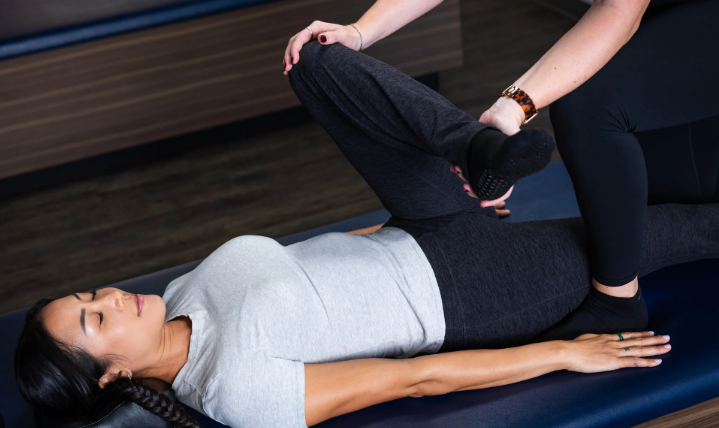
Physical Therapy for Sports Injuries can address the specific movement limitations associated with an individual’s condition. A rehabilitation plan may include mobility exercises, strengthening activities, balance work, and functional movements. The approach can change as the patient progresses, helping recovery remain focused on current abilities rather than following a fixed routine.
Common Causes of Athletic Injuries
Injuries can happen for many reasons. A sudden change in direction, improper landing, repetitive movement, insufficient recovery, or an unexpected collision may place stress on muscles, joints, or connective tissues. Training volume and technique can also influence how the body responds to physical demands.
Understanding the circumstances surrounding an injury can help guide rehabilitation. A therapist may consider the activity involved, the movement that caused the problem, and the demands the athlete expects to face after recovery. This information can help create exercises that are relevant to the person’s sport and daily activities.
The Importance of an Individualized Recovery Plan
Every athlete has different physical requirements and recovery goals. A recreational runner may need a different rehabilitation approach from a competitive basketball player or someone who participates in strength training. Age, previous injuries, current fitness, and activity demands can also affect the way therapy is structured.
An individualized plan allows exercises to be selected according to the patient’s current abilities. Early rehabilitation may emphasize comfortable movement and basic control, while later stages can introduce more demanding strength, coordination, and functional activities. This gradual progression can make the return-to-activity process more organized.
Restoring Strength After an Injury
Strength may decrease when an injured area is used less frequently. Reduced activity can affect muscular endurance and stability, making normal movements feel more difficult. Rebuilding strength can therefore be an important part of returning to previous activity levels.
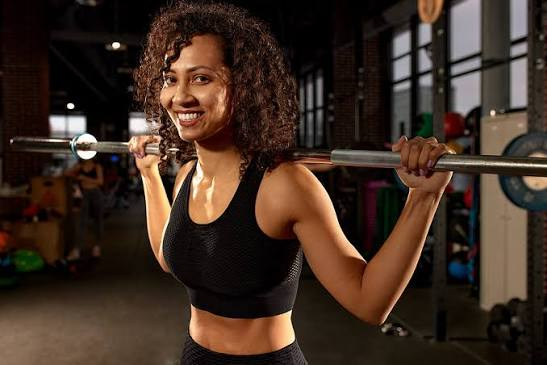
Therapy may incorporate controlled resistance exercises and functional movements suited to the individual’s condition. Exercises can become progressively more challenging as strength improves. The objective is to develop useful physical capacity while keeping the program appropriate for the stage of recovery.
Improving Mobility and Flexibility
Limited mobility can affect athletic technique and everyday movement. After an injury, a person may avoid certain positions because they feel uncomfortable or unfamiliar. This can sometimes contribute to compensatory movement patterns that place additional demands on other areas of the body.
Mobility exercises can help patients work toward more comfortable movement when appropriate. Depending on the injury, treatment may involve stretching, controlled range-of-motion activities, or functional movement drills. Progress can be monitored and exercises adjusted as the patient’s tolerance changes.
Developing Balance and Coordination
Balance and coordination are important in many sports. Running, jumping, changing direction, landing, and reacting to an opponent all require the body to control movement efficiently. After an injury, these abilities may temporarily change, particularly when an athlete has spent time limiting activity.
Rehabilitation can include exercises designed to improve stability, coordination, and controlled movement. These activities can be gradually adapted to resemble the demands of the athlete’s preferred sport. Building these skills can help prepare the body for more complex physical tasks during later stages of recovery.
Preparing for a Safe Return to Activity
Returning to sports involves more than simply waiting until pain decreases. An athlete may also need adequate strength, mobility, balance, endurance, and movement control before resuming demanding activities. Returning too quickly can place unnecessary stress on an area that may still be rebuilding capacity.
A gradual return-to-activity plan can introduce physical demands in stages. Depending on the injury and sport, rehabilitation may progress from basic exercises to more dynamic movements and eventually sport-specific activities. The timeline should be individualized and guided by the person’s condition and professional recommendations.
Building Better Training Habits
Recovery can also be an opportunity to review habits that may influence physical performance. Training without adequate recovery, sudden increases in activity, poor movement mechanics, or ignoring early signs of discomfort may contribute to physical problems for some athletes. Developing sensible routines can support long-term participation.
Useful habits may include:
- Increasing training demands gradually
- Allowing appropriate recovery between demanding sessions
- Maintaining strength and mobility exercises
- Paying attention to changes in movement or discomfort
- Following a structured return-to-sport progression
These habits should be adjusted according to the athlete’s sport, training schedule, physical condition, and professional guidance. A sustainable routine is generally easier to maintain than an overly demanding approach that leaves little room for recovery.
Communication During Sports Rehabilitation
Good communication helps keep rehabilitation connected to an athlete’s real goals. Patients can explain which movements remain difficult, what activities they hope to return to, and how their body responds between appointments. This information can help guide changes to the treatment plan.
At Sams Physical Therapy, patients can work toward practical recovery goals while discussing their progress throughout the rehabilitation process. Questions about exercises, activity levels, and progression can be addressed so that the patient has a clearer understanding of each stage of recovery.
Supporting Long-Term Athletic Performance
Physical therapy does not have to focus only on the immediate injury. Once basic movement and strength have improved, rehabilitation can also address physical qualities that support future activity. Better strength, stability, coordination, and movement awareness can be useful for athletes who want to remain active over time.
For individuals searching for Physical Therapy for Sports Injuries, a personalized rehabilitation program can provide structured support during recovery. Whether the goal is returning to a favorite recreational activity or resuming a more demanding training schedule, therapy can connect exercises with the physical requirements of the individual’s lifestyle.
Making Recovery a Gradual Process
Injury recovery can take time, and progress may not always happen at the same pace. Some days may feel easier than others, especially as activity levels increase. Focusing on gradual improvements can help patients stay engaged without placing unnecessary pressure on themselves.
A structured program can provide direction while allowing adjustments when needed. As mobility, strength, and confidence improve, activities can become more challenging. This step-by-step process can help patients prepare for the movements they expect to perform after completing rehabilitation.
Conclusion
Sports injuries can interrupt training, competition, work, and everyday routines. Physical therapy can help individuals address movement limitations, rebuild strength, improve mobility, and develop the physical abilities needed for a gradual return to activity. A personalized approach allows rehabilitation to reflect the person’s injury and specific goals.
For those considering Physical Therapy for Sports Injuries, Sams Physical Therapy provides a supportive setting for working toward improved movement and function. With consistent participation, appropriate progression, and attention to individual needs, rehabilitation can help athletes take practical steps toward returning to the activities they enjoy.