


Why Seasonal Detailing Matters
No single detailing routine works perfectly throughout the entire year. Different weather conditions introduce different contaminants, requiring slight adjustments in both cleaning methods and protective products.
Seasonal detailing helps:
- Preserve paint gloss
- Reduce contamination buildup
- Protect trim and plastics
- Prevent premature fading
- Maintain cleaner wheels
- Improve driving visibility
- Keep the interior in better condition
Small changes in your maintenance routine can make a noticeable difference over time.
Spring: Remove Winter Residue
Spring is the ideal time for a deep exterior refresh. Even if winter seems mild, your vehicle has likely accumulated road grime, salt residue, and embedded contaminants.
Focus on:
- Thorough exterior wash
- Wheel cleaning
- Undercarriage rinse
- Paint decontamination
- Glass cleaning
- Interior vacuuming
Spring pollen can also cling to freshly cleaned paint, so applying a protective layer after washing helps make future cleaning easier.
Insider Tip
Don’t forget to clean inside door jambs during spring detailing. Salt and moisture often collect there throughout winter, even when the rest of the vehicle appears clean.
Summer: Protect Against UV Damage
Summer sunshine makes every clean car look great—but prolonged sun exposure can gradually damage paint, plastics, leather, and dashboards.
Your summer routine should prioritize:
- Frequent washing
- UV protectants
- Interior conditioning
- Tire cleaning
- Glass maintenance
Parking in shaded areas whenever possible also reduces heat buildup inside the cabin.
Watch for Bug Residue
Warm weather usually means more highway driving, which also means more insects striking the front bumper, mirrors, and windshield.
Bug remains contain proteins and natural acids that become increasingly difficult to remove if left in place for several days.
Prompt removal helps prevent permanent marks.
Fall: Prepare Before Cold Weather Arrives
Autumn offers ideal detailing conditions.
Temperatures are moderate, allowing protective products to bond properly before winter arrives.
During fall, pay extra attention to:
- Paint protection
- Wheel protection
- Rubber seals
- Weather stripping
- Windshield cleaning
- Interior carpets
Leaves may seem harmless, but trapped moisture beneath wet leaves can stain paint if left for extended periods.
Insider Tip
Inspect the area beneath windshield wipers during fall. Small leaves often collect there, trapping moisture and blocking drainage channels without being immediately noticeable.
Winter: Salt Is the Biggest Threat
Winter driving presents one of the toughest environments for any vehicle.
Road salt, slush, sand, and moisture constantly contact the lower body panels and wheels.
During winter:
- Wash more frequently than many people expect.
- Rinse the undercarriage regularly.
- Clean wheels thoroughly.
- Dry door seals after washing.
- Remove salt before it accumulates.
Even a quick rinse can significantly reduce long-term corrosion risks.
Don’t Ignore the Interior
Seasonal detailing isn’t limited to exterior surfaces.
Each season introduces different interior challenges.
Spring:
- Pollen
- Mud
- Moisture
Summer:
- Sweat
- Sunscreen residue
- Dust
Fall:
- Leaves
- Dirt
- Debris
Winter:
- Salt
- Snow
- Wet footwear
Regular vacuuming and wiping interior surfaces prevents these materials from becoming deeply embedded.
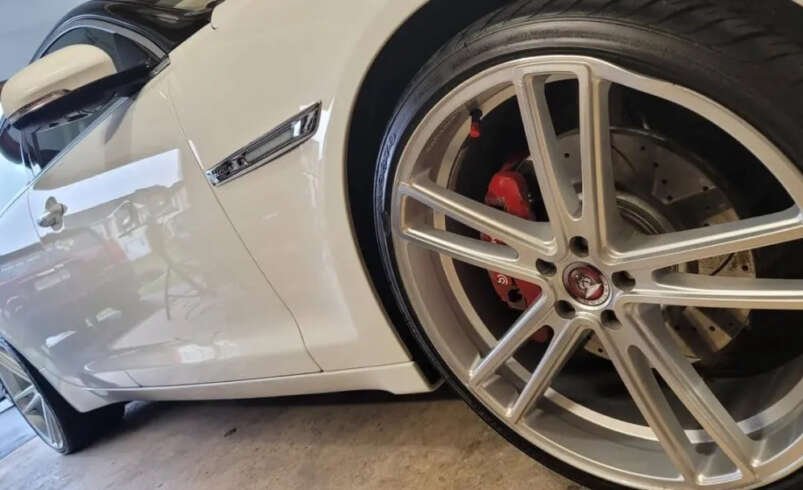
Wheels Need Consistent Attention
Regardless of season, wheels experience constant exposure to contamination.
Brake dust combines with environmental debris throughout the year.
Regular wheel cleaning helps prevent:
- Embedded brake dust
- Staining
- Corrosion
- Difficult future cleaning
Dedicated wheel brushes make cleaning around spokes much easier without scratching delicate finishes.
Glass Maintenance Changes With the Seasons
Visibility is directly affected by seasonal conditions.
Spring pollen creates haze.
Summer insects reduce clarity.
Fall rain leaves water spots.
Winter road spray coats the windshield quickly.
Keeping glass clean throughout the year improves both appearance and driving safety.
Protective Products Last Longer With Maintenance
Many drivers believe applying protection once is enough.
In reality, protective products perform best when the vehicle continues receiving routine maintenance.
Gentle washing removes contaminants before they wear down protective layers prematurely.
Consistency matters far more than aggressive cleaning.
Paint Decontamination Isn’t Only for Older Cars
Even newer vehicles benefit from occasional decontamination.
Industrial fallout, tree sap, road tar, and mineral deposits gradually bond to paint regardless of vehicle age.
A smooth paint surface allows protective products to perform much better while restoring gloss that ordinary washing cannot achieve.
Develop a Simple Seasonal Schedule
Rather than waiting until the car becomes heavily soiled, create a simple maintenance routine.
A practical approach might include:
- Deep detail each spring
- UV-focused maintenance during summer
- Protection before winter
- Frequent rinses during snowy months
- Interior cleaning every few weeks
This schedule spreads the work throughout the year while reducing major restoration efforts later.
Learn From Professional Maintenance Guides
Many experienced detailers recommend adjusting maintenance routines based on changing weather conditions rather than following the same process year-round. Resources like auto detailing stafford va offer practical guidance on seasonal care, protective treatments, and detailing techniques that help vehicles remain cleaner and better protected throughout every season.
Small Details Often Make the Biggest Difference
Professional-looking vehicles aren’t always cleaned more often—they’re simply maintained more consistently.
Simple habits such as:
- Removing bird droppings promptly
- Drying after washing
- Cleaning wheels regularly
- Vacuuming frequently
- Inspecting trim
- Wiping door jambs
all contribute to preserving the vehicle’s appearance over the long term.
These small efforts prevent minor issues from becoming major cosmetic problems.
Final Thoughts
Seasonal auto detailing is about working with the environment rather than reacting to it after damage has already occurred. Every season introduces unique challenges, from pollen and UV rays to falling leaves and road salt. By adjusting your detailing routine throughout the year, you can better protect your vehicle’s paint, interior, wheels, and trim while maintaining a cleaner, more attractive finish. Consistent care doesn’t require complicated techniques—it simply requires paying attention to what each season brings and responding before contaminants have the opportunity to leave lasting effects.