
Introduction
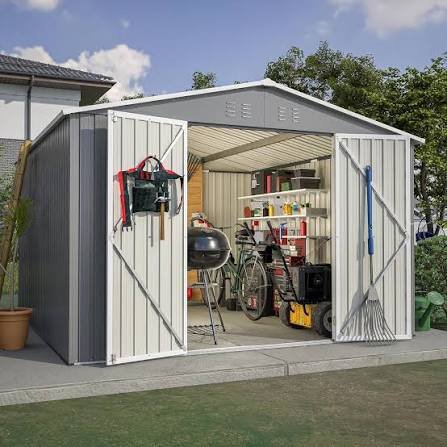
A shed with storage is an excellent investment for homeowners, farmers, business owners, and property managers who need additional space to organise tools, equipment, machinery, and everyday belongings. Whether you want to declutter your garage, create a dedicated workshop, store gardening supplies, or protect valuable equipment from harsh weather, a well-designed storage shed offers a practical and long-lasting solution.
Modern storage sheds are available in various sizes, layouts, roof styles, and materials to suit different requirements. From compact backyard storage sheds to large steel structures, choosing the right design can help maximise available space while improving the functionality and appearance of your property.
In this guide, we explore the benefits of sheds with storage, popular designs, essential features, material options, organisation ideas, and important factors to consider before purchasing.
What Is a Shed with Storage?
A shed with storage is a standalone or attached structure designed to provide secure, organised space for storing household items, tools, gardening equipment, machinery, seasonal belongings, and other valuable possessions.
Unlike basic storage units, modern sheds can be customised with shelving, cabinets, workbenches, tool racks, loft storage, and separate compartments. These features allow property owners to make better use of available space.
Depending on your needs, a storage shed can serve several purposes, including:
- Garden Storage: Keeping lawnmowers, gardening tools, fertilisers, and outdoor furniture organised.
- Workshop Storage: Providing space for power tools, workbenches, hardware, and DIY equipment.
- Farm Storage: Protecting agricultural tools, machinery, feed, and maintenance supplies.
- Household Storage: Storing bicycles, seasonal decorations, sporting equipment, and household belongings.
- Business Storage: Providing additional space for inventory, supplies, and commercial equipment.
With the right layout, a storage shed can become a valuable extension of your existing property.
Benefits of Installing a Shed with Storage
Investing in a dedicated storage shed offers several advantages beyond simply creating additional space.
1. Maximise Available Space
One of the biggest advantages of a storage shed is its ability to free up space inside your home, garage, or commercial property. Instead of keeping tools, boxes, and equipment in crowded areas, you can move them into a dedicated storage structure.
A well-organised shed also makes it easier to find items whenever you need them.
2. Protect Valuable Equipment
Quality storage sheds provide protection against rain, sunlight, wind, dust, and other environmental conditions. Steel and metal sheds, in particular, offer durable construction when properly designed and maintained.
Adding suitable ventilation, insulation, weather-resistant doors, and secure locks can further improve the protection of stored belongings.
3. Improve Organisation
A storage shed allows you to create dedicated areas for different categories of items. Shelving units, hooks, cabinets, and storage containers help prevent clutter while making better use of vertical and floor space.
4. Enhance Property Functionality
A properly positioned shed can improve the overall usability of your outdoor area. Homeowners can use it as a garden storage facility, DIY workshop, hobby room, or equipment storage space.
5. Offer Long-Term Value
A durable storage shed can provide years of practical use. Selecting quality materials, appropriate dimensions, and a functional design helps reduce maintenance requirements and makes the structure a worthwhile long-term investment.
Popular Types of Storage Sheds
Different storage shed designs offer different benefits. The best option depends on the amount of available space, the items you intend to store, and your budget.
Garden Storage Sheds
Garden sheds are ideal for homeowners who need a convenient place to store outdoor equipment and gardening supplies.
They typically accommodate lawnmowers, spades, shovels, watering cans, plant pots, and outdoor furniture. Compact designs work particularly well in smaller backyards.
Steel Storage Sheds
Steel storage sheds are popular because of their strength, durability, and versatility. They can accommodate everything from household belongings to heavy-duty equipment.
Depending on the design, steel sheds can include roller doors, sliding doors, windows, ventilation systems, and customised storage compartments.
Wooden Storage Sheds
Wooden sheds offer a traditional appearance that complements many residential gardens. They can be customised with shelving and cabinets, although regular maintenance may be required to protect the timber from moisture, insects, and weather damage.
Metal Storage Sheds
Metal sheds provide a practical solution for homeowners and businesses looking for durable, relatively low-maintenance storage.
Galvanised steel and other suitable metal finishes can help protect against corrosion. Proper installation and maintenance are essential for long-term performance.
Workshop Storage Sheds
Workshop sheds combine equipment storage with dedicated working areas. They are suitable for DIY enthusiasts, mechanics, tradespeople, and property owners who need space for tools and projects.
These structures can include workbenches, electrical outlets, lighting, shelving, and separate storage zones.
Essential Features to Look for in a Storage Shed
Choosing the right shed involves more than comparing prices and external dimensions. Several important features determine how functional and reliable your storage space will be.
Adequate Storage Capacity
Start by identifying everything you intend to store. Consider the dimensions of larger items, including lawnmowers, bicycles, machinery, ladders, and garden equipment.
Allow enough room for movement so you can access belongings without constantly rearranging the shed.
Shelving and Cabinets
Built-in shelving and cabinets help maximise storage capacity. Wall-mounted shelves are particularly useful because they keep smaller items off the floor.
Heavy-duty shelves should be selected according to the weight of the equipment being stored.
Secure Doors and Locking Systems
Security is important when storing valuable tools and equipment. Look for strong doors, quality locks, reinforced frames, and suitable access points.
Roller doors can be particularly useful for larger equipment, while personal access doors provide convenient everyday entry.
Proper Ventilation
Good ventilation helps reduce condensation and moisture accumulation. This is especially important when storing metal equipment, timber products, chemicals, or items that could deteriorate in damp conditions.
Consider incorporating ventilation openings, roof vents, or windows where appropriate.
Weather-Resistant Construction
Your shed should be designed for the environmental conditions of your location. Roofing, wall cladding, drainage, foundations, and fasteners all contribute to weather resistance.
For steel sheds, selecting an appropriate protective coating and quality materials can help improve durability.
Smart Storage Ideas to Organise Your Shed
Even a large shed can become cluttered without an effective organisation system. The following ideas can help you create a cleaner and more functional space.
1. Install Wall-Mounted Shelving
Use wall-mounted shelves to store paint containers, gardening supplies, toolboxes, and smaller equipment. This keeps the floor clear and improves accessibility.
2. Use Pegboards and Tool Racks
Pegboards allow you to organise frequently used hand tools, including hammers, screwdrivers, pliers, and spanners. Labelled tool racks make it easier to return equipment to its proper place.
3. Add Overhead Storage
If your shed has sufficient roof height and structural capacity, overhead storage can provide additional space for lightweight seasonal belongings. Ensure all overhead systems are professionally installed and safely rated.
4. Create Separate Storage Zones
Divide your shed into functional areas, such as gardening, automotive equipment, household items, and workshop tools. This prevents different categories of belongings from becoming mixed together.
5. Use Clear Storage Containers
Transparent containers make it easier to identify stored items without opening every box. Add labels to improve organisation and save time.
How to Choose the Right Shed Size
Selecting the appropriate shed size is essential for creating a practical storage solution.
Consider the following options:
- Small Sheds: Suitable for basic gardening tools, small equipment, and household storage.
- Medium Sheds: Ideal for bicycles, lawnmowers, tool storage, and general backyard organisation.
- Large Sheds: Suitable for workshops, commercial supplies, larger equipment, and multiple storage zones.
- Custom-Built Sheds: Designed for specialised storage requirements, including agricultural machinery, business inventory, and heavy equipment.
Before purchasing, measure the available installation area and check access requirements. Remember to allow additional room for doors, walkways, shelving, and future storage needs.
Steel Storage Sheds vs Wooden Storage Sheds
Choosing between steel and timber construction depends on your priorities, budget, and intended use.
| Feature | Steel Storage Shed | Wooden Storage Shed |
|---|---|---|
| Durability | Strong and long-lasting | Depends on timber quality |
| Maintenance | Generally low | Requires regular treatment |
| Appearance | Modern and practical | Traditional and natural |
| Customisation | Wide range of configurations | Easy to modify |
| Weather resistance | Depends on coating and design | Requires moisture protection |
| Applications | Residential, agricultural and commercial | Mainly residential and garden use |
Steel sheds are often a practical choice for people who prioritise durability, larger storage capacity, and reduced maintenance. Wooden sheds may be more suitable for those who prefer a traditional garden appearance.
Important Factors to Consider Before Buying
Before investing in a storage shed, evaluate the following considerations:
Available Space: Measure your property carefully and confirm that the proposed structure fits comfortably.
Intended Purpose: Decide whether you need storage for gardening equipment, household belongings, machinery, or workshop tools.
Material Quality: Choose materials that suit your climate and expected usage.
Foundation Requirements: A stable, level foundation is important for structural performance and proper door operation.
Security: Consider locks, reinforced doors, and other security features.
Drainage: Ensure rainwater can drain away from the shed rather than collecting around its base.
Local Building Regulations: Check applicable planning, building, boundary, and permit requirements before installation.
Future Requirements: Consider whether you may need additional storage capacity as your household or business grows.
How to Maintain Your Storage Shed
Regular maintenance helps keep your shed in good condition and extends its useful life.
- Inspect the roof and walls periodically for damage or deterioration.
- Clean gutters and drainage areas to prevent water accumulation.
- Check doors, hinges, locks, and fasteners.
- Remove dust, dirt, and debris from the interior.
- Maintain ventilation to reduce condensation.
- Check steel surfaces for scratches or corrosion and repair protective coatings when required.
- Keep stored chemicals and hazardous materials properly labelled and safely contained.
A simple maintenance routine can help prevent minor issues from becoming expensive repairs.
Conclusion
A shed with storage is a practical investment for anyone looking to create additional space, improve organisation, and protect valuable belongings. Whether you need a compact garden shed, a durable steel storage building, or a large workshop structure, selecting the right design and features makes a significant difference.
Focus on storage capacity, construction materials, security, ventilation, weather resistance, and future requirements before making your decision. With proper planning and regular maintenance, a well-designed storage shed can provide a reliable and versatile storage solution for years to come.
If you are planning to upgrade your outdoor storage, explore different shed designs and choose a structure that delivers the right combination of durability, functionality, and value.
Frequently Asked Questions (FAQs)
1. What is the best material for a storage shed?
Steel is a popular choice because it offers strength, durability, and relatively low maintenance. Timber is another option for homeowners who prefer a traditional appearance.
2. What size shed do I need for storage?
The right size depends on the belongings you intend to store. Small sheds are suitable for gardening tools, while larger structures can accommodate machinery, workshops, and commercial equipment.
3. Are steel storage sheds weather-resistant?
Quality steel storage sheds can provide excellent weather protection when designed with suitable roofing, cladding, protective coatings, drainage, and secure installation.
4. How can I maximise storage space inside a shed?
Install wall-mounted shelving, pegboards, cabinets, tool racks, and suitable overhead storage. Organising items into dedicated zones can also improve available space.
5. Do storage sheds require a foundation?
Most permanent storage sheds benefit from a stable, level foundation. The appropriate foundation depends on the shed’s size, construction, soil conditions, and local requirements.
6. Can I use a storage shed as a workshop?
Yes. Many sheds can be designed as workshops with workbenches, lighting, ventilation, electrical installations, and dedicated tool storage.
7. How long does a storage shed last?
The lifespan depends on construction quality, materials, installation, environmental conditions, and maintenance. Properly designed and maintained steel sheds can provide many years of service.