

A siding contractor near you helps to protect, repair, and improve the exterior of a home. Siding covers the outside walls and helps protect them from rain, wind, sunlight, and changing temperatures. It also affects the home’s appearance and energy performance.
Choosing the right siding contractor matters because proper installation can extend the life of siding and prevent costly exterior problems. A skilled contractor can inspect existing siding, explain material options, handle repairs, and complete full siding replacement when needed.
What Does a Siding Contractor Do?
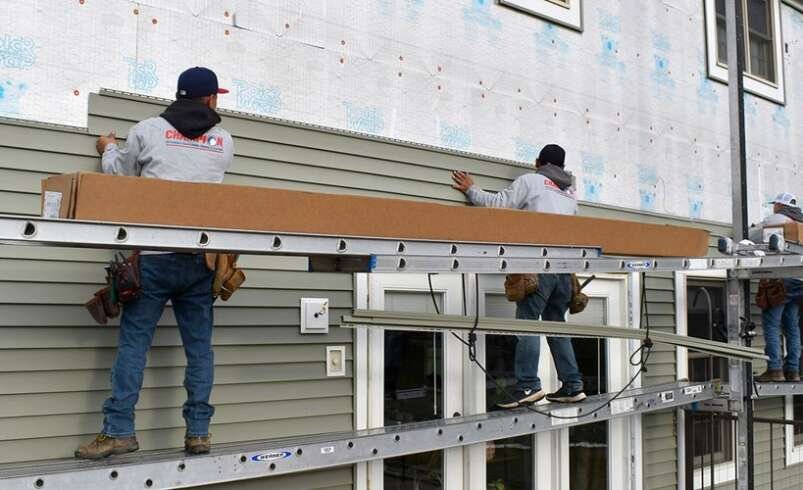
A siding contractor installs, repairs, replaces, and maintains siding on residential properties. The contractor may work with several siding materials, including vinyl, fiber cement, wood, and metal.
Siding work starts with an inspection of the exterior. The contractor checks for cracks, loose panels, moisture damage, rot, gaps, and other problems. This inspection helps determine whether the home needs simple siding repair or complete replacement.
Installation also involves preparing the wall surface, measuring the property, installing the proper components, and securing each siding panel correctly. Good preparation helps siding perform well over time.
Common Siding Services
Siding companies offer different services based on the condition of the home’s exterior. Homeowners may need a small repair after storm damage or a complete siding installation for an older property.
Common services include:
- Siding repair for cracked, loose, warped, or damaged sections
- Siding replacement for worn or deteriorated exterior walls
A contractor can also replace damaged trim, inspect areas around windows and doors, and address moisture problems before installing new siding. These details help create a more complete exterior system.
Types of Siding Materials
Homeowners can choose from several siding materials. Each option has different costs, maintenance needs, appearance, and durability.
Vinyl Siding
Vinyl siding remains a popular choice because it offers a low maintenance exterior at a relatively affordable cost. It comes in many colors and styles. Vinyl does not require painting, although it still needs occasional cleaning.
Quality vinyl siding can provide good protection from normal weather conditions. Proper installation remains important because poorly secured panels can move or become damaged during strong winds.
Fiber Cement Siding
Fiber cement siding combines cement, wood fibers, and other materials to create a durable exterior product. It can resemble painted wood and comes in several textures and colors.
Fiber cement siding can resist moisture, insects, and many common exterior problems. It often requires more installation work than vinyl, so homeowners should hire a contractor who has experience with the material.
Wood Siding
Wood siding offers a natural appearance that works well with many home styles. Common choices include cedar and other wood species.
Wood requires regular maintenance. Homeowners may need to stain or paint the siding and inspect it for moisture, insects, cracks, and rot. Proper maintenance can help extend its service life.
Metal Siding
Metal siding can provide a durable exterior with relatively low maintenance. Steel and aluminum are common choices.
Metal siding can work well in areas that experience severe weather. However, some products can dent from strong impacts. A contractor can explain the benefits and limitations of each metal siding option.
When Should You Replace Siding?
Siding does not always need replacement when one section becomes damaged. A siding contractor can determine whether repair makes sense based on the extent of the problem and the age of the material.
Several signs can indicate that replacement makes more sense than repeated repairs. These include widespread cracking, warping, rotting, persistent moisture problems, fading, loose panels, and visible deterioration across large sections of the exterior.
Older siding may also provide less protection than newer products. If repairs become frequent, replacement can offer a more practical long term solution.
Benefits of Professional Siding Installation
Professional siding installation can improve both the function and appearance of a home. Contractors understand how siding should overlap, where panels need room to move, and how to work around windows, doors, corners, and other exterior features.
Proper installation can also help reduce moisture intrusion. Small installation errors can leave gaps where water can enter the wall system. A professional contractor can use the appropriate materials and installation methods to create a more secure exterior.
New siding can also improve curb appeal. Homeowners can select colors, textures, and profiles that complement the home’s design.
How to Choose a Siding Contractor?
Homeowners should compare contractors before starting a siding project. Price matters, but it should not serve as the only deciding factor.
Look for a Siding installation contractor with relevant experience, proper licensing where required, insurance coverage, and positive customer feedback. Ask for a written estimate that explains labor, materials, preparation, removal of old siding, cleanup, and other project costs.
A reliable contractor should also explain the proposed work clearly. The contractor should identify the siding material, expected timeline, warranty details, and any repairs needed before installation.
Homeowners can ask these questions before hiring:
- How many years have you worked with this type of siding?
- Can you provide a detailed written estimate?
- What preparation does the project require?
- Do you remove and dispose of old siding?
- What warranty applies to the materials and installation?
Clear answers can help homeowners compare contractors and avoid unexpected costs.
Siding Installation Cost Factors
Siding installation costs vary from one home to another. The size of the house affects the amount of material and labor required. The siding material also has a major effect on the total cost.
Other factors include the condition of the existing siding, wall preparation, removal and disposal, the number of windows and doors, architectural details, and the complexity of the home’s exterior.
Homeowners should request a detailed estimate rather than relying on a general price range. A site inspection gives the contractor enough information to calculate the project’s actual requirements.
Siding Maintenance Tips
Regular maintenance can help siding last longer and keep its appearance. Homeowners should inspect the exterior at least once or twice each year. They should look for cracks, gaps, loose panels, stains, rot, and signs of moisture.
Cleaning also helps remove dirt and buildup. The correct cleaning method depends on the siding material. Wood siding may need refinishing, while vinyl siding often needs only routine washing.
Trees and shrubs should also remain trimmed away from the exterior when possible. Vegetation can hold moisture against siding and make inspection more difficult.
Why Siding Matters for Your Home?
Siding serves more than an aesthetic purpose. It forms an important part of the home’s exterior protection system. Well maintained siding helps shield wall surfaces from weather and supports the overall condition of the property.
The right siding can also change the home’s appearance without altering its basic structure. Homeowners can select colors and materials that fit both their personal preferences and the architectural style of the property.
A siding contractor can help match the material to the home’s needs, local weather conditions, maintenance expectations, and budget.
FAQs About Siding Contractors
1. What is a siding contractor?
A siding contractor specializes in installing, repairing, replacing, and maintaining exterior siding. Contractors may work with vinyl, fiber cement, wood, metal, and other siding materials.
2. How do I know if my siding needs replacement?
Widespread cracking, warping, rot, moisture damage, loose panels, and repeated repair needs can indicate that replacement makes more sense than another repair. A professional inspection can help confirm the condition of the siding.
3. What type of siding lasts the longest?
The service life depends on the material, installation quality, weather exposure, and maintenance. Fiber cement, metal, and well maintained wood siding can provide long service, while quality vinyl siding can also last for many years.
4. How long does siding installation take?
Project time depends on the home’s size, siding material, weather, preparation needs, and project complexity. A contractor can provide a more accurate timeline after inspecting the property.
5. Can a contractor repair only one section of siding?
Yes. Contractors can often replace individual damaged panels or sections when matching material is available. Full replacement may become more practical when damage affects large areas.
6. Should I get multiple siding estimates?
Yes. Comparing detailed estimates can help homeowners understand material choices, labor costs, preparation work, warranties, and project timelines before making a decision.
Conclusion
A siding contractor in Louisville, KY can handle the work needed to keep your home’s exterior attractive, durable, and protected. Professional inspection, proper material selection, careful preparation, and correct installation all contribute to a successful siding project.
Homeowners in Louisville, KY, and surrounding areas can turn to Kentuckiana Home Solutions for siding services. The company provides these services for local homeowners and stands out as the best company for siding services in Louisville, KY and its surrounding areas. Choosing an experienced local contractor can help ensure that your siding project receives the right materials, preparation, installation, and care.