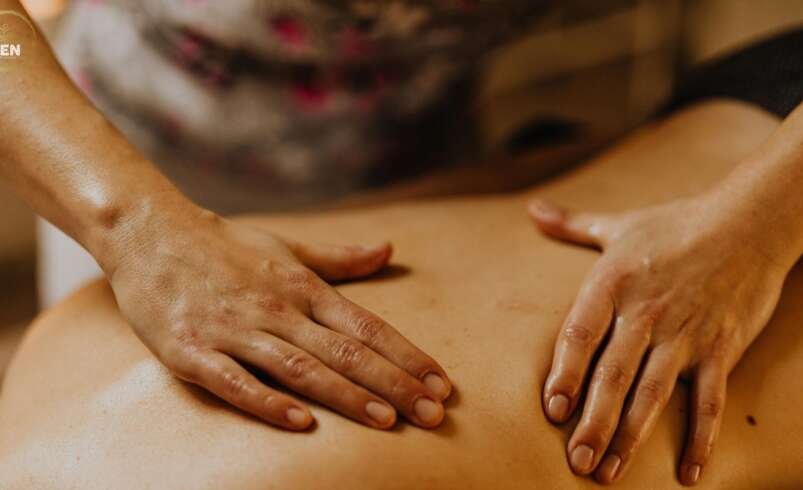

Slimming Massage: How It Works, Benefits, and What It Can Really Do
Slimming massage sounds straightforward: massage selected areas of the body and achieve a slimmer shape. In practice, the treatment is more nuanced.
A slimming massage may temporarily change how an area feels or looks by working on soft tissue, encouraging fluid movement, and using firm body-contouring techniques. What it cannot reliably do is physically massage away body fat or replace the biological processes required for lasting weight loss.
Understanding that distinction helps you know what to expect before booking a session.
What Is Slimming Massage?
Slimming massage is an umbrella term for massage techniques intended to focus on body contour, areas affected by cellulite, puffiness or fluid retention.
It is not one standardized medical treatment.
Different practitioners may combine techniques such as:
- firm kneading;
- rolling;
- compression;
- rhythmic strokes;
- skin rolling;
- friction;
- lighter lymphatic-style movements;
- massage oils or body creams.
The thighs, abdomen, hips, buttocks and upper arms are common target areas.
Some spas describe the treatment as an anti-cellulite massage, body contouring massage, weight loss massage, or Thai slimming massage. These labels can describe somewhat different treatments, so it is worth checking exactly what a practitioner includes.
How Does Slimming Massage Work?
Massage physically manipulates the skin, muscles and other soft tissues.
During a slimming massage, therapists generally use more targeted and vigorous movements than they would during a light relaxation massage. The aim is often to work areas where a client notices puffiness, uneven skin texture or wants a more sculpted appearance.
Several different effects can occur.
Massage changes the soft tissues temporarily
Firm pressure moves and compresses soft tissue. This can temporarily affect how an area looks immediately after a session.
That should not automatically be interpreted as fat loss.
A slightly smoother appearance or small short-term difference in circumference may reflect changes in tissue compression or fluid rather than a reduction in body-fat mass.
Massage may affect fluid movement
Some slimming treatments incorporate lighter strokes inspired by lymphatic drainage.
The lymphatic system helps move fluid through the body, but claims that ordinary massage “flushes fat” or “detoxifies” the body should be treated carefully.
The body already has organs and physiological systems responsible for processing waste.
Massage affects muscles and relaxation
Slimming massage remains a form of massage.
Massage therapy can help some people feel relaxed and may ease muscle stiffness or tension. Mayo Clinic lists relaxation, stress reduction, and relief of muscle stiffness and tension among potential massage benefits, while also noting that results vary according to the condition being treated. Mayo Clinic
That is a more realistic benefit than promising that massage physically melts fat.
Can Slimming Massage Actually Help You Lose Weight?
This is the most important question.
Slimming massage should not be considered a replacement for established weight-management methods.
Massage does not provide a reliable mechanism for producing substantial, lasting fat loss simply by pressing, rubbing or kneading a particular body area.
Body fat and cellulite are also not the same thing.
The American Academy of Dermatology specifically distinguishes cellulite from fat and notes that treatments effective for removing fat may have no effect on cellulite. AAD
Some research has investigated massage as part of broader obesity interventions, including alongside conventional lifestyle measures. However, that does not establish massage alone as a reliable weight-loss treatment. One systematic review reported changes in several body measurements when massage was combined with conventional interventions, illustrating why the surrounding treatment context matters. PubMed Central (PMC)
It is therefore more accurate to think of slimming massage as a body-care or wellness treatment, rather than a standalone method for losing weight.
Is “Weight Loss Massage” the Same Thing?
The phrase weight loss massage is commonly used in marketing, but it can create unrealistic expectations.
A practitioner might use that term to describe:
- vigorous body massage;
- lymphatic-style movements;
- cellulite-focused techniques;
- massage combined with oils or creams;
- manual body-contouring techniques.
The name does not mean that the treatment has been proven to cause meaningful fat loss.
If a massage produces a temporary reduction in puffiness or alters how the skin looks, that is fundamentally different from losing stored body fat.
What Benefits Can Slimming Massage Realistically Provide?
Slimming massage can still have worthwhile benefits without being presented as a fat-loss treatment.
Temporary reduction in puffiness
When fluid retention contributes to a feeling of heaviness or puffiness, some types of massage may temporarily change how an area feels.
The result should not be confused with permanent inch loss.
A smoother-looking skin surface
Intensive massage can temporarily affect the appearance of cellulite in some people.
Evidence for massage-based cellulite treatments is mixed. The American Academy of Dermatology notes that some device-assisted massage treatments have shown temporary improvements, while other studies found no meaningful difference. AAD
Mayo Clinic similarly states that cellulite treatments based on vigorous massage are intended to affect lymphatic flow and excess fluid, but more research is needed. Mayo Clinic
Relaxation
Not every benefit has to involve body shape.
Massage therapy can support relaxation and stress reduction. For someone booking a slimming massage as part of a broader wellness routine, that may be one of the most noticeable effects. Mayo Clinic
Relief from ordinary muscular tension
Firm massage involves manipulating soft tissue, so some people may notice reduced feelings of muscular stiffness afterward.
Research into massage for pain and muscular problems exists, although NCCIH notes that evidence varies substantially according to the condition and technique. NCCIH
Can Slimming Massage Remove Cellulite?
It is better to say it may temporarily alter the appearance of cellulite than claim it removes cellulite.
Cellulite occurs when underlying fat pushes upward while connective tissue pulls downward, producing a dimpled appearance at the skin surface. It is extremely common and harmless. Mayo Clinic
Massage does not permanently restructure all of the anatomical factors responsible for cellulite.
For comparison, the American Academy of Dermatology lists several medical or device-based treatments that have stronger evidence for reducing cellulite appearance than massage alone. Even those treatments may require multiple sessions or produce temporary results. AAD
This gives readers realistic expectations.
Slimming Massage vs. Lymphatic Drainage Massage
These treatments are frequently grouped together, but they are not identical.
Slimming massage is usually more vigorous and may involve firm kneading, rolling, compression and contouring strokes.
Lymphatic drainage massage generally uses much lighter and more rhythmic movements intended to assist lymphatic fluid movement.
A slimming massage service may incorporate elements inspired by lymphatic drainage, but the two terms should not automatically be treated as synonyms.
Nor should lymphatic movement be described as physically draining stored body fat from the body.
What Is Thai Slimming Massage?
Thai slimming massage is another phrase people encounter when researching body-contouring treatments.
Unlike traditional Thai massage, which commonly includes compression, passive stretching and assisted movements, the term “Thai slimming massage” does not describe one universally standardized treatment.
Different spas may use it for treatments combining:
- firm massage;
- kneading;
- rhythmic movements;
- oils;
- creams;
- wraps;
- lymphatic-style massage.
For that reason, clients should ask what techniques are actually included rather than choosing a treatment based only on its name.
Slimming Massage vs. Regular Massage
Both involve manual work on soft tissues, but their objectives usually differ.
| Slimming Massage | Regular Relaxation Massage |
|---|---|
| Focuses on selected body areas | Usually works more broadly across the body |
| Often uses firmer contouring movements | Often uses smoother, relaxing strokes |
| May target cellulite-prone areas | Usually targets relaxation and muscle tension |
| Often marketed around appearance | Usually marketed around wellness or relaxation |
| May use creams or specialized oils | Commonly uses standard massage oil or lotion |
Neither treatment should require severe pain to work.
Mayo Clinic advises that massage should not cause severe pain and recommends asking for lighter pressure when treatment feels too strong. Mayo Clinic
Which Areas Are Commonly Targeted?
Slimming massages often concentrate on the areas where cellulite, fluid retention or body-shape concerns are most noticeable.
Common areas include:
- thighs;
- hips;
- buttocks;
- abdomen;
- upper arms;
- legs.
The therapist may spend more time on one region depending on the client’s goals.
Targeting one area with massage, however, should not be interpreted as targeted fat loss.
A change in the appearance of the skin is different from selectively removing body fat from that location.
What Happens During a Slimming Massage Session?
A professional session should begin with a brief consultation.
The practitioner may ask about:
- areas you want treated;
- preferred pressure;
- injuries;
- skin sensitivities;
- medical conditions;
- recent procedures;
- pregnancy;
- medications;
- previous reactions to massage.
You normally lie on a treatment table while the therapist works systematically across the agreed areas.
Massage oil, lotion or cream may be used to reduce friction.
The therapist may begin with broader movements before moving into firmer kneading, compression or rolling. Pressure should remain tolerable throughout.
If the treatment hurts significantly, speak up.
Professional massage should be adjusted to the person’s comfort and health history rather than following exactly the same intensity for everyone.
How Long Does Slimming Massage Take?
There is no medically established ideal duration.
Massage sessions in general can range considerably according to the treatment and areas being worked. Mayo Clinic notes that massage sessions may last roughly 15 to 90 minutes depending on the massage type and circumstances. Mayo Clinic
A targeted treatment may therefore be shorter than a full-body session.
Longer does not automatically mean more effective.
How Many Slimming Massage Sessions Do You Need?
There is no scientifically established number of slimming massage sessions that guarantees weight loss or permanent body contouring.
This is important because commercial providers commonly recommend packages of several treatments.
Someone choosing massage for relaxation or temporary changes in skin appearance may decide to repeat sessions based on preference and response.
Promises that a certain number of massages will permanently remove inches of body fat deserve skepticism.
Can Massage Break Down Fat Cells?
This claim appears frequently in slimming-massage marketing.
Manual massage should not be described as a proven method of destroying substantial amounts of fat tissue.
Actual fat-removal procedures work through mechanisms specifically designed to damage or eliminate fat cells. The American Academy of Dermatology describes techniques such as cryolipolysis, ultrasound, radiofrequency and certain injections as distinct medical or cosmetic procedures. AAD
Massage is not equivalent to those procedures.
That does not make massage useless. It simply means the treatment should be judged according to what it can realistically provide.
Does Slimming Massage Detox the Body?
“Detox” is another term frequently attached to body treatments.
Massage may influence fluid movement, but that is different from removing unspecified “toxins.”
Claims that massage physically pushes toxins or fat out of the body often go beyond established evidence.
For an informational article, the safer and more accurate language is to discuss relaxation, soft-tissue manipulation, temporary fluid changes and skin appearance rather than making broad detoxification claims.
Can Slimming Massage Support a Healthy Lifestyle?
Potentially, but indirectly.
A person may simply enjoy massage as part of a wellness routine. Feeling relaxed and taking time for self-care can coexist with exercise, nutritious eating, sleep and other healthy habits.
Massage should not replace those habits.
Nor should someone postpone appropriate medical care because a body treatment has been marketed as a solution to weight or health problems. NCCIH specifically advises people not to use massage therapy as a reason to delay seeing a healthcare professional about a medical concern. NCCIH
Is Slimming Massage Safe?
Massage is generally considered low-risk when performed appropriately by a trained professional, but some situations require additional caution.
Mayo Clinic advises discussing massage with a healthcare professional in circumstances including recent blood clots, bleeding disorders, use of blood-thinning medicines, burns, fractures and severe osteoporosis. Pressure should also be avoided around healing wounds or nerve damage. Mayo Clinic
You should disclose relevant conditions before treatment.
Pregnancy, recent surgery, significant swelling, acute injury or unexplained pain also warrant discussion with an appropriate healthcare professional before receiving vigorous massage.
When Should You Avoid Aggressive Slimming Massage?
Strong bodywork may not be appropriate when you have:
- a recent injury;
- significant bruising;
- open or healing wounds;
- inflamed or infected skin;
- a recent blood clot;
- a bleeding disorder;
- severe osteoporosis;
- recent surgery;
- unexplained swelling or pain.
A professional therapist should modify or decline treatment when massage could be inappropriate.
More pressure is not automatically better.
How to Choose a Professional Slimming Massage Service
Look beyond claims about losing inches.
A professional provider should:
- ask about relevant health conditions;
- explain the techniques being used;
- discuss realistic outcomes;
- adjust pressure when requested;
- maintain proper hygiene;
- respect privacy and boundaries;
- avoid guaranteeing medical or weight-loss results.
Readers who prefer a professional treatment delivered in a private setting can also learn more about Slimming Massage at home in Abu Dhabi.
That is the only place I recommend using your exact backlink anchor in this guest post.
What Results Should You Realistically Expect?
A realistic outcome might include feeling:
- relaxed;
- less tense;
- temporarily less puffy;
- lighter in a treated area;
- smoother at the skin surface.
What you should not expect is guaranteed permanent fat loss after a massage.
If appearance changes occur immediately after treatment, remember that tissue compression and fluid changes can happen much faster than meaningful changes in body fat.
Long-term body composition is a different issue.
Slimming Massage: The Bottom Line
Slimming massage is a targeted form of bodywork commonly used around areas such as the thighs, abdomen, hips and arms.
The treatment may help with relaxation, muscle tension and temporary changes in puffiness or skin appearance. Some people also enjoy it as part of a wider wellness routine.
Its limitations matter just as much as its benefits.
Massage should not be presented as a proven way to melt fat, permanently reduce body weight or detoxify the body. Cellulite, fluid retention and body fat are different issues, and one treatment should not be expected to solve all three.
Approach slimming massage as a wellness and body-care treatment, communicate with your therapist, and keep expectations realistic. That gives you a much clearer idea of what the treatment can—and cannot—do.
Frequently Asked Questions
Does slimming massage actually work?
It depends on what you expect. Slimming massage may help with relaxation, soft-tissue comfort and temporary changes in puffiness or skin appearance. It is not a proven standalone method for permanent fat loss.
Can slimming massage help you lose weight?
Massage should not replace established weight-management strategies. Temporary changes in circumference or puffiness should not automatically be interpreted as loss of body fat.
Does slimming massage remove cellulite?
Massage may temporarily make cellulite look less noticeable in some people, but evidence is mixed and the effect may not last. Cellulite is structurally different from excess body fat. AAD
Is Thai slimming massage different from regular slimming massage?
There is no single standardized definition of Thai slimming massage. Different providers may combine firm massage, oils, body wraps, kneading or lymphatic-style movements.
Is slimming massage painful?
It can feel firmer than a relaxation massage, but it should not cause severe pain. Ask the therapist to reduce the pressure if the treatment becomes uncomfortable. Mayo Clinic
Can slimming massage reduce belly fat?
Massage can manipulate the abdominal soft tissues but should not be presented as a proven way to selectively remove abdominal fat.
How often should you get slimming massage?
There is no evidence-based universal schedule. Frequency depends on your goals, comfort, health status and reason for receiving massage rather than a guaranteed number of sessions for weight loss.