
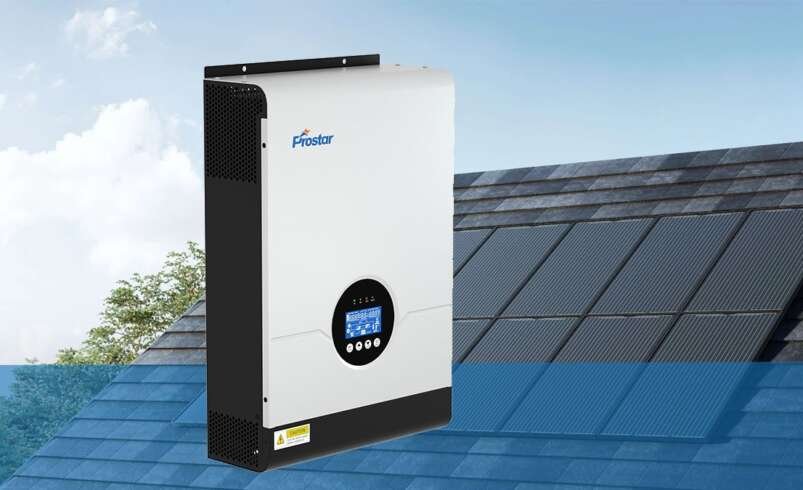

The Solar Inverter price in Pakistan depends on several factors, including inverter type, capacity, brand, features, warranty, and battery compatibility. For homeowners and businesses across Pakistan, choosing the right inverter is an important part of building an efficient solar system. Solar App helps customers understand their solar requirements and make better decisions when planning a solar business or solar installation. In 2026, common inverter options include hybrid, on grid, and off grid models, with prices changing according to capacity and technology.
What Is a Solar Inverter?
A solar inverter is one of the most important components of a solar power system. Solar panels generate electricity in DC form, while most household and commercial appliances use AC electricity. The inverter converts the electricity from DC to AC so it can be used by appliances.
The inverter also manages the flow of electricity between solar panels, batteries, the property, and the electricity grid, depending on the system type.
A good inverter can improve system performance, provide monitoring features, support battery storage, and help protect the solar system from electrical problems. This is why the inverter should not be selected only by looking at its price.
Solar Inverter Price in Pakistan in 2026
Current market prices vary significantly because different brands offer different technologies, capacities, warranty periods, and features. Recent Pakistani market listings show that smaller hybrid inverters can start around Rs. 60,000, while larger and premium models can cost several hundred thousand rupees. A 5kW inverter can commonly fall somewhere between roughly Rs. 120,000 and Rs. 350,000 depending on whether it is on grid or hybrid and which brand is selected.
For larger systems, prices increase with capacity. A 10kW inverter can range from around Rs. 220,000 to Rs. 500,000 or more depending on type and brand.
These figures should be treated as market ranges rather than fixed prices because exchange rates, stock availability, dealer margins, warranty, and product specifications can change the final price.
Solar Inverter Price by Capacity
The required inverter capacity depends on the electricity load and the size of the solar panel system.
3kW Solar Inverter
A 3kW inverter is suitable for smaller homes and basic electricity requirements. It can support essential appliances such as lights, fans, a refrigerator, television, and selected other loads.
Prices commonly range from approximately Rs. 80,000 to Rs. 200,000 depending on whether the inverter is on grid or hybrid.
5kW Solar Inverter
A 5kW solar inverter is one of the common choices for residential solar systems in Pakistan. It can work well for medium sized homes when the total electricity load is properly calculated.
Current market estimates put 5kW inverter prices at roughly Rs. 120,000 to Rs. 350,000. Hybrid models usually cost more because they include battery management and backup functionality.
6kW Solar Inverter
A 6kW inverter can be useful for homes with higher electricity consumption or small commercial properties. It provides more capacity for appliances such as air conditioners, refrigerators, pumps, and other equipment.
Prices vary widely by brand and technology, with many models available in the mid range of the Pakistani inverter market.
8kW Solar Inverter
An 8kW inverter is suitable for larger homes, offices, shops, and other properties with higher electricity demand. Hybrid versions can provide battery backup in addition to solar generation.
Depending on the brand and features, prices can range from approximately Rs. 180,000 to more than Rs. 400,000.
10kW Solar Inverter
A 10kW inverter is generally considered for larger residential systems and commercial applications. It can handle a higher load and is often selected when the property has several air conditioners or other high consumption appliances.
Depending on the inverter type and brand, prices can range from approximately Rs. 220,000 to Rs. 500,000 or more.
Types of Solar Inverters in Pakistan
Understanding the different inverter types can help you choose the right system for your property.
Hybrid Solar Inverter
A hybrid inverter combines solar generation, battery storage, and grid electricity. It can use solar energy during the day, charge batteries when required, and provide backup power when grid electricity is unavailable.
Hybrid inverters are popular in Pakistan because many households want both electricity bill savings and backup power.
They are generally more expensive than basic on grid models because they include additional battery management technology and backup functions.
On Grid Solar Inverter
An on grid inverter connects the solar system directly with the electricity grid. Solar energy can be used by the property, while surplus electricity may be exported according to the applicable grid connection and billing arrangement.
One major advantage is that on grid systems usually cost less because they do not require batteries.
However, a standard grid tied inverter normally shuts down during a grid outage because of safety requirements. Therefore, an on grid system alone does not provide backup power during a normal electricity outage.
Off Grid Solar Inverter
An off grid inverter is designed for systems that operate independently of the electricity grid. Batteries are an essential part of most off grid systems because electricity needs to be stored for periods when solar production is low.
This type can be useful in remote locations where reliable grid electricity is unavailable. However, the complete system can become more expensive because of the additional battery capacity required.
What Affects Solar Inverter Prices?
Several factors can change the final cost of an inverter.
Inverter Capacity
Higher capacity normally means a higher price. A 10kW inverter will generally cost more than a 3kW model because it can handle a larger electrical load.
Inverter Type
Hybrid inverters usually cost more than basic on grid models because they support batteries and additional energy management functions.
Brand
Established brands can have higher prices because of product quality, warranty coverage, monitoring systems, technical support, and availability of replacement parts.
Warranty
A longer warranty can increase the purchase price, but it can also provide greater peace of mind for a long term solar investment.
Battery Compatibility
If you plan to add batteries, make sure the inverter supports the battery technology you intend to use. Some modern systems are designed for lithium batteries, while others may support different battery configurations.
Features
Features such as WiFi monitoring, multiple MPPT inputs, advanced protection, higher efficiency, remote monitoring, and better environmental protection can affect the overall price.
How to Choose the Right Solar Inverter
Choosing an inverter should begin with your electricity requirements rather than the available budget alone.
First, calculate the appliances you want to operate through the solar system. Consider air conditioners, refrigerators, water pumps, washing machines, televisions, computers, lights, fans, and other major loads.
Next, determine how much solar panel capacity you plan to install. The inverter should be properly matched with the solar array and electrical load.
You should also decide whether you need battery backup. If backup is important, a hybrid inverter may be more suitable than a standard on grid model.
Finally, check warranty, efficiency, monitoring features, installation requirements, and local technical support before making a purchase.
Important Features to Check
A quality inverter should have features that match your system requirements.
MPPT Technology
Maximum Power Point Tracking helps the inverter extract useful power from solar panels under changing sunlight conditions. Multiple MPPT inputs can also be helpful when panels are installed in different directions or receive different levels of sunlight.
Inverter Efficiency
Higher efficiency means less energy is lost while converting electricity. However, efficiency should be considered together with reliability, warranty, and overall system compatibility.
Battery Support
If you want backup power, check the battery voltage, battery chemistry, charging capability, and communication compatibility supported by the inverter.
Monitoring
WiFi and mobile monitoring can help users track solar production, electricity consumption, battery status, and system performance.
Protection
Look for appropriate electrical protection and installation practices. Surge protection, correct earthing, circuit protection, and proper installation are important for system safety.
Best Solar Inverter Brands in Pakistan
Pakistan has a wide range of solar inverter brands. The market includes local suppliers as well as international manufacturers.
Commonly available brands include Inverex, Knox, Fronus, Growatt, Solis, GoodWe, Huawei, Deye, SolarMax, Crown, and other manufacturers.
The best brand depends on your budget, system size, required features, warranty, availability of technical support, and battery requirements.
Instead of choosing a brand only because it is popular, compare the exact model specifications and make sure the product is suitable for your solar system.
Solar Inverter and Solar Panel Compatibility
An inverter should be properly matched with the solar panels. Installing a high capacity inverter does not automatically make a solar system better.
The installer should check the maximum PV input, operating voltage range, maximum current, MPPT range, and recommended solar array size.
For example, a 5kW inverter may support a solar array larger than 5kW depending on the manufacturer’s specifications. The correct configuration should always be based on the technical specifications of the selected model.
Good compatibility helps the system operate efficiently and reduces the risk of performance problems.
Solar Inverter and Battery Compatibility
For hybrid and off grid systems, battery selection is just as important as inverter selection.
Lithium batteries are increasingly used in modern solar systems because they can offer high energy density, longer cycle life, and useful battery management features. However, the battery and inverter must communicate correctly when required.
Before purchasing a battery, check its voltage, usable capacity, maximum charging and discharging current, communication protocol, and compatibility with the inverter.
Choosing incompatible equipment can create unnecessary technical problems and reduce system performance.
Is a Cheap Solar Inverter a Good Choice?
A low price can be attractive, but the cheapest inverter is not always the best option.
A very cheap product may have a shorter warranty, limited technical support, lower protection standards, or fewer monitoring features. If the inverter fails, repair or replacement costs can affect the overall value of the solar system.
Instead of comparing only the purchase price, compare the complete value of the inverter. Consider efficiency, warranty, reliability, service availability, parts, installation support, and expected operating life.
How Solar App Can Help With Solar Business
Solar App focuses on helping customers understand solar solutions and make informed decisions about their energy requirements. For a successful solar business, selecting the right products and providing clear information is important.
Customers need more than a price. They want to understand which inverter type is suitable, what capacity they need, whether batteries are required, and how the complete system can support their electricity needs.
A professional approach starts with load assessment and system planning. From residential installations to larger commercial requirements, the right inverter can play an important role in improving the overall performance of a solar solution.
Solar Inverter Buying Tips for Pakistan
Before purchasing an inverter, keep these points in mind.
Check the total electricity load before choosing capacity.
Decide whether you need battery backup.
Compare hybrid, on grid, and off grid options.
Check the exact model specifications.
Compare warranty coverage.
Confirm battery compatibility.
Check MPPT inputs and PV input limits.
Consider monitoring and protection features.
Choose a reliable installer.
Confirm after sales support and availability of parts.
Do not select an inverter based only on its advertised price.
Why Inverter Quality Matters
Solar panels can continue producing electricity for many years, but the inverter contains electronic components that must continuously manage power conversion.
A reliable inverter can help maintain stable system performance and provide useful monitoring and protection features.
This makes inverter quality an important part of the long term value of a solar investment. Spending slightly more on a suitable and reliable inverter can be better than choosing an unsuitable low cost product.
Final Thoughts
The Solar Inverter price in Pakistan varies according to capacity, technology, brand, warranty, and features. Small residential models may cost considerably less than large commercial units, while hybrid models usually cost more than basic on grid options because of their battery and backup capabilities.
For Pakistani homeowners and businesses, the right choice depends on electricity consumption, solar panel capacity, backup requirements, and future expansion plans. Solar App can help customers understand these factors when planning their solar requirements.
Instead of choosing an inverter only by price, compare performance, compatibility, warranty, efficiency, support, and long term value. A properly selected inverter can make your solar investment more reliable and effective for years to come.
FAQs
What is the Solar Inverter price in Pakistan?
Prices vary by capacity and type, with many models ranging from around Rs. 60,000 to several hundred thousand rupees.
Which solar inverter is best for homes in Pakistan?
A suitable hybrid inverter is often preferred when both solar savings and battery backup are required.
How much does a 5kW solar inverter cost in Pakistan?
A 5kW inverter can cost roughly Rs. 120,000 to Rs. 350,000 depending on brand and type.
Is a hybrid inverter better than an on grid inverter?
A hybrid inverter is better when you need battery backup, while on grid is suitable when backup is not required.
Can a solar inverter work without batteries?
Yes, many on grid inverters operate without batteries, while most off grid systems require battery storage.
How do I choose the right inverter size?
Calculate your expected electrical load and match the inverter capacity with your solar panel and backup requirements.