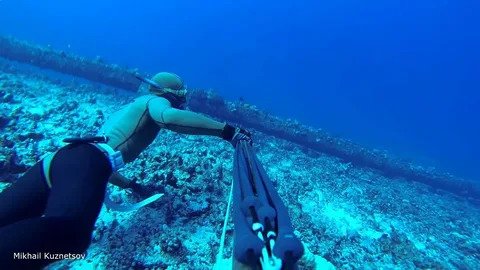

Hawaii is known for its clear ocean water, beautiful coral reefs, and rich marine life. For people interested in underwater fishing, the Kona coast on the Big Island offers an exciting place to learn spearfishing. However, exploring the ocean with a speargun requires more than confidence and basic swimming skills. It takes proper training, ocean awareness, and a strong understanding of safety.
Choosing the right instructor is one of the most important steps for beginners. Quality spearfishing Kona lessons help new divers understand essential techniques, recognize potential hazards, and develop respect for the marine environment. A qualified coach can also make the learning process more comfortable by adjusting each lesson to the student’s experience and abilities.
Not every instructor offers the same teaching approach or level of experience. Some focus on basic underwater skills, while others may have more experience with advanced freediving techniques and local ocean conditions. Understanding these differences helps beginners make informed decisions.
For anyone considering spearfishing lessons in Kona, knowing what to look for in a coach can make the difference between an enjoyable learning experience and an unnecessarily difficult one.
1. Look for Real Spearfishing Experience and Local Ocean Knowledge
A good spearfishing coach should have practical experience in the water. However, personal experience alone does not automatically make someone a good instructor. The best coaches understand how to explain techniques clearly and help students develop skills at a safe pace.
Why Local Experience Matters
Kona has a unique coastal environment. Water conditions, currents, visibility, underwater terrain, and marine life can vary between locations and throughout the year.
An instructor familiar with the Kona coastline can help students understand:
-
How local ocean conditions affect underwater activities.
-
Why certain areas are more suitable for beginners.
-
How underwater visibility can change.
-
How to recognize potentially dangerous currents.
-
How to identify common marine hazards.
-
Why certain locations require additional experience.
Local knowledge is especially important because conditions that appear calm from the shore may be different underwater.
A knowledgeable instructor should also explain how to respect Hawaii’s marine environment, including protected species, fishing restrictions, and local regulations.
Questions to Ask About Experience
Before booking, prospective students should ask a coach about their background.
Useful questions include:
-
How long have they practiced spearfishing?
-
How familiar are they with Kona’s coastline?
-
Have they taught complete beginners?
-
What safety procedures do they follow?
-
Can they explain local fishing regulations?
A coach who answers these questions clearly demonstrates a willingness to help students make informed decisions.
The goal is not simply to find someone who has spent many years spearfishing. It is to find an instructor who can turn practical experience into useful, understandable lessons.
2. Check Safety Training and Teaching Qualifications
Safety should always be the first priority during spearfishing instruction. Spearfishing involves breath-hold diving, underwater equipment, changing ocean conditions, and potential interactions with marine animals. These activities require proper preparation.
A responsible instructor should never encourage beginners to take unnecessary risks or attempt techniques beyond their current abilities.
Understand Freediving Safety
Spearfishing often involves freediving, which means diving underwater while holding the breath rather than using scuba equipment.
One of the most important safety concerns is shallow-water blackout. This can happen when a diver loses consciousness because of a lack of oxygen. It may occur without much warning, making proper supervision essential.
A qualified coach should explain:
-
The risks associated with breath-hold diving.
-
Why hyperventilation before diving is dangerous.
-
The importance of proper surface recovery.
-
Why divers should never dive alone.
-
How to recognize signs of fatigue or distress.
-
Why beginners should avoid depth and time competitions.
A beginner should never practice extended breath-holding or underwater diving alone.
Ask About Training and Emergency Procedures
Prospective students should ask whether the instructor has relevant freediving, first-aid, CPR, and rescue training.
It is also important to understand the instructor’s emergency plan. A responsible coach should explain how students are supervised, what safety equipment is available, and how an emergency would be handled.
A useful question is whether the instructor teaches beginners in a controlled, progressive way rather than immediately introducing spearguns and deeper dives.
Important: A certification is not a substitute for practical teaching ability, but relevant training provides another way to evaluate an instructor’s commitment to safety.
3. Choose a Coach Who Understands Beginner Learning Needs
Beginners often assume that spearfishing starts with learning how to use a speargun. In reality, the first lessons should focus on comfort in the ocean, swimming ability, basic freediving knowledge, and safety.
A good instructor understands that students learn at different speeds.
Look for a Structured Learning Approach
A beginner-friendly lesson should introduce skills gradually.
Depending on the student’s swimming ability and previous experience, an introductory learning plan may include:
-
Understanding basic ocean safety.
-
Learning about spearfishing equipment.
-
Practicing comfortable surface swimming.
-
Understanding breathing and relaxation techniques.
-
Learning basic freediving principles.
-
Discussing underwater awareness and fish identification.
-
Reviewing responsible fishing practices.
Not every student will be ready for every activity during the first session. A responsible instructor should adjust the lesson according to individual ability.
Make Sure the Coach Explains Things Clearly
Technical information can become confusing when a student is unfamiliar with ocean activities.
For example, a beginner may not understand why a longer breath-hold is not necessarily a sign of better diving ability. A skilled coach should explain that safe diving depends on preparation, relaxation, supervision, and sound judgment.
Students should feel comfortable asking questions without worrying about being judged.
A good coach also recognizes when someone needs more practice before moving forward.
This approach helps beginners build confidence through understanding rather than pressure.
4. Evaluate the Lesson Structure, Group Size, and Personal Attention
The way a lesson is organized can have a major effect on the student’s experience.
Some instructors may offer private sessions, while others teach small groups. Both formats can be useful, but the best choice depends on the student’s learning needs and experience.
Private Lessons Versus Group Lessons
Private lessons can provide more direct interaction with the instructor. This may be helpful for someone who is completely new to freediving or feels nervous in open water.
Group lessons can create opportunities to learn from other students and observe different skill levels. However, beginners should make sure the instructor has enough time to supervise everyone properly.
Before booking, students should ask:
-
How many students participate in each lesson?
-
How many instructors are present?
-
Is the session suitable for complete beginners?
-
How much time is spent on safety instruction?
-
What happens if a student feels uncomfortable?
-
Can the lesson be adjusted to individual ability?
Understand What the Lesson Includes
Not all lessons cover the same subjects. Some may focus on general ocean skills, while others may introduce spearfishing-specific knowledge.
Students should confirm whether the lesson includes equipment familiarization, safety discussions, ocean-condition assessments, and responsible fishing education.
They should also clarify whether equipment is provided or whether participants need to bring their own.
A clear explanation of the lesson structure helps prevent misunderstandings and makes it easier to compare different instructors.
5. Check Equipment Quality and Knowledge of Local Regulations
Spearfishing equipment plays an important role in comfort, safety, and performance. Beginners do not need to purchase expensive equipment immediately. Instead, they should first understand which items are appropriate for their experience and the conditions in which they will be learning.
A knowledgeable coach should explain the purpose of each essential piece of equipment.
Understand the Basic Equipment
Common spearfishing equipment includes:
-
Mask: Helps divers see clearly underwater.
-
Snorkel: Allows surface breathing without lifting the head.
-
Fins: Help divers move efficiently through the water.
-
Wetsuit: Provides protection and helps with temperature comfort.
-
Weight belt: Helps manage buoyancy when used with proper training.
-
Speargun: Used to catch fish and requires careful handling.
-
Dive float and flag: Help identify the presence of a diver in the water.
Equipment selection depends on the diver’s body size, experience, water conditions, and intended activity.
A coach should explain how to inspect, fit, and use equipment correctly. Beginners should never experiment with unfamiliar spearguns without appropriate instruction.
Learn Hawaii’s Fishing Regulations
Responsible spearfishing also requires knowledge of local fishing rules.
Hawaii has regulations that may apply to:
-
Protected marine species.
-
Minimum fish sizes.
-
Daily catch limits.
-
Restricted fishing areas.
-
Seasonal restrictions.
-
Permitted fishing methods.
-
Marine Life Conservation Districts.
These rules can differ depending on the species and location.
Students should check current information from the Hawaii Department of Land and Natural Resources, particularly its Division of Aquatic Resources, before fishing.
A responsible instructor should encourage legal and sustainable fishing practices rather than treating regulations as an afterthought.
6. Consider Communication, Reputation, and Overall Value
Technical skills matter, but communication is another important quality to consider when choosing a spearfishing coach.
A good instructor should explain expectations before the lesson, respond to questions, and communicate honestly about what beginners can realistically learn.
Read Reviews Carefully
Online reviews can help prospective students understand other people’s experiences.
However, reviews should be evaluated carefully instead of relying only on star ratings.
Look for comments that mention:
-
Clear and patient instruction.
-
Strong attention to safety.
-
Good communication before the lesson.
-
Knowledge of local ocean conditions.
-
Appropriate instruction for beginners.
-
Respectful treatment of students.
-
Honest explanations of lesson expectations.
Reviews that describe specific experiences are generally more useful than short comments that provide little detail.
Students can also look for consistent feedback across different platforms.
Compare Prices and Lesson Value
The cheapest lesson is not always the best option. A low price may not provide enough personal instruction, while a higher price does not automatically guarantee better teaching.
Instead of comparing prices alone, students should consider what each lesson includes.
| Factor | What to Check |
|---|---|
| Instructor experience | Practical and teaching background |
| Safety | Supervision and emergency procedures |
| Lesson length | Actual instructional time |
| Group size | Number of students per instructor |
| Equipment | Availability and condition |
| Learning approach | Beginner-friendly instruction |
| Communication | Clear booking information and expectations |
A transparent instructor should explain the total cost and identify any additional expenses before the session.
This makes it easier to choose a lesson based on quality, safety, and value.
7. Understand the Difference Between Spearfishing and Other Ocean Lessons
Kona offers many ways to explore the ocean. However, not every water activity teaches the same skills.
Someone interested in spearfishing may also consider swimming lessons, freediving instruction, snorkeling, or surfing. Understanding these differences helps beginners choose the right starting point.
Spearfishing Lessons Versus Surf Lessons
Surfing and spearfishing both require ocean awareness, but their techniques are very different.
Surf lessons focus on wave selection, paddling, balance, positioning, and standing on a surfboard.
Spearfishing instruction focuses more on underwater awareness, freediving safety, equipment handling, fish identification, and responsible fishing practices.
For someone searching online, terms such as surf lessons Kailua Kona and spearfishing Kona lessons may appear together because both activities are popular ways to enjoy Hawaii’s ocean environment.
However, a surf instructor should not automatically be considered qualified to teach spearfishing.
Are Surf Lessons Useful for Ocean Beginners?
Surfing can help people become more familiar with ocean movement and changing water conditions. However, surfing does not replace freediving or spearfishing training.
People with limited ocean experience may benefit from developing general water confidence before attempting more demanding underwater activities.
For example, Hawaii surf lessons for beginners may provide an introduction to ocean conditions, wave awareness, and basic water confidence.
Some visitors may also come across Local Boys Surf Adventure when researching beginner-friendly ocean activities.
However, prospective students should evaluate each provider according to the specific activity they want to learn. Surfing experience alone does not prepare someone to use a speargun or safely perform breath-hold dives.
Choose Training That Matches the Goal
Before booking, students should identify their main objective.
-
Someone interested in catching fish should seek qualified spearfishing instruction.
-
Someone interested in underwater breath-hold skills should consider recognized freediving education.
-
Someone wanting to learn wave riding should choose a qualified surf instructor.
-
Someone who lacks basic swimming ability should develop that skill before attempting open-water spearfishing.
Choosing the correct type of instruction helps prevent unrealistic expectations and creates a safer learning experience.
Frequently Asked Questions (FAQs)
1. Are Spearfishing Kona Lessons Suitable for Complete Beginners?
Yes, beginners may be able to participate if they have the required swimming ability and meet the instructor’s safety requirements.
An introductory lesson should focus on ocean awareness, basic equipment knowledge, freediving safety, and understanding spearfishing fundamentals.
Students should be honest about their swimming experience and comfort in open water before booking.
2. What Should Someone Look for in a Spearfishing Instructor in Kona?
A good instructor should have practical spearfishing experience, local ocean knowledge, relevant safety training, and the ability to teach beginners.
They should also explain equipment use, emergency procedures, local fishing regulations, and the risks of breath-hold diving.
Clear communication and appropriate student supervision are equally important.
3. Does Someone Need to Own Spearfishing Equipment Before Taking Lessons?
Not necessarily. Beginners should ask whether the instructor provides equipment or recommends bringing personal gear.
It is usually better to understand the equipment needed for the local conditions before purchasing expensive items.
A qualified instructor can explain proper equipment selection, fit, maintenance, and safe handling.
4. Are Surf Lessons and Spearfishing Lessons the Same?
No. Surf lessons teach wave riding, paddling, balance, and surf safety. Spearfishing lessons focus on underwater skills, freediving safety, fishing equipment, and responsible marine practices.
Although both activities take place in the ocean, they require different training and experience.
Conclusion
Choosing the right instructor is an essential step toward learning spearfishing safely and confidently in Kona. The best spearfishing Kona lessons combine practical experience, local ocean knowledge, clear instruction, and a strong commitment to safety.
Before booking, beginners should evaluate an instructor’s qualifications, teaching style, emergency procedures, equipment knowledge, and understanding of Hawaii’s fishing regulations. They should also compare lesson structures and ask questions about supervision and individual attention.
Most importantly, learning should happen gradually. Developing ocean awareness, understanding freediving risks, and respecting marine life are more valuable than rushing into advanced techniques.
With the right preparation and guidance, beginners can build a stronger foundation for responsible spearfishing while enjoying the natural beauty of Hawaii’s coastline.
Anyone interested in learning should start by researching qualified local instructors, discussing their experience level, and choosing a lesson that matches their abilities and goals. A well-planned first step can help create a safer, more rewarding ocean experience.