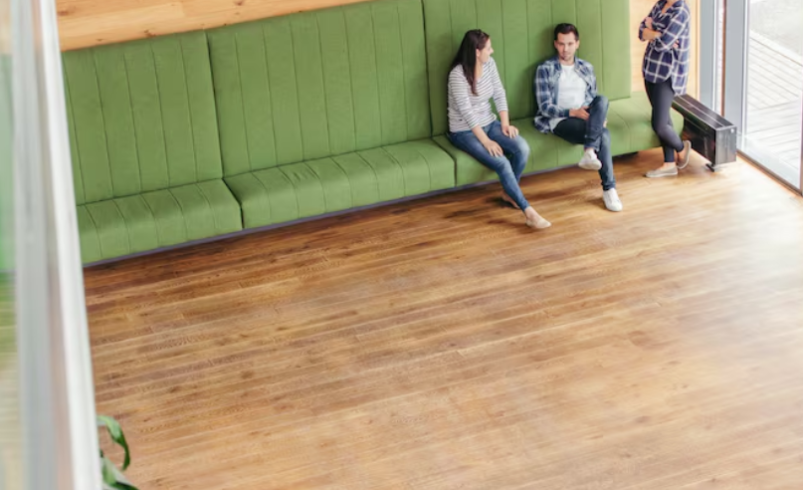

Choosing the right flooring is an important decision for any homeowner. Flooring influences the appearance, comfort, durability, and overall value of a home. As more people become aware of environmental responsibility, sustainable wood flooring has become an attractive option for those who want beautiful interiors without overlooking the impact of their material choices. Wood flooring offers natural warmth, timeless appeal, and long-lasting performance, making it a practical investment for a wide range of residential and commercial spaces.
Sustainability is about more than selecting a natural material. It also involves understanding where the wood comes from, how it is manufactured, how long it lasts, and what happens when it eventually needs replacement. By considering these factors, homeowners can make informed decisions that support responsible resource use while creating comfortable and stylish living environments.
Understanding Sustainable Wood Flooring
Sustainable wood flooring refers to flooring products manufactured and sourced with consideration for environmental protection, responsible forestry, and long-term usability. The goal is to reduce unnecessary waste, encourage responsible harvesting, and select materials that provide lasting value.
Wood is a renewable resource when forests are managed responsibly and trees are replanted or naturally regenerated. However, not all wood flooring has the same environmental impact. The source of the timber, transportation requirements, manufacturing methods, and finishing products can all influence its overall sustainability.
Homeowners can look for products made from responsibly managed forests, reclaimed timber, or wood sourced through transparent supply chains. These choices help consumers understand how their flooring was produced and whether it aligns with their environmental priorities.
Another important consideration is durability. A floor that remains attractive and functional for decades may reduce the need for frequent replacement. Selecting high-quality materials and maintaining them properly can help minimize resource consumption over the life of a home.
Benefits of Sustainable Hardwood Flooring
Sustainable hardwood flooring combines the natural beauty of hardwood with a greater focus on responsible material sourcing. Hardwood is appreciated for its distinctive grain patterns, rich colors, and ability to complement different interior design styles.
One of its greatest advantages is longevity. Many hardwood floors can last for decades when installed correctly and cared for consistently. Some solid hardwood products can also be refinished when their surfaces become worn, allowing homeowners to refresh their appearance without replacing the entire floor.
Another benefit is design flexibility. Oak, maple, walnut, and other hardwood species offer different textures and colors, making it easier to coordinate flooring with furniture, wall finishes, and decorative features. Whether a home features a traditional, contemporary, rustic, or minimalist design, hardwood can provide a natural foundation for the overall look.
Sustainable hardwood flooring can also support a more thoughtful approach to home improvement. By choosing responsibly sourced materials and prioritizing long-term performance, homeowners can reduce unnecessary replacement and make better use of natural resources.
Why Responsible Wood Sourcing Matters
Responsible sourcing is one of the most important elements of sustainable flooring. Forests support wildlife, protect soil, contribute to water quality, and store carbon. Poorly managed harvesting can damage these ecosystems and reduce biodiversity.
When shopping for wood flooring, consumers should ask where the wood originated and whether the manufacturer can provide information about its supply chain. Independent forest certification programs may help buyers identify products associated with established responsible forestry standards.
Reclaimed wood is another option worth considering. This material comes from existing structures, older buildings, barns, or previously used wood products. Reusing timber can give valuable materials a second life while reducing demand for newly harvested wood.
Reclaimed flooring often features distinctive markings, weathered textures, and variations that create a unique appearance. These characteristics can be especially appealing to homeowners who want interiors with personality and natural character.
However, reclaimed wood should be inspected carefully before installation. Its condition, previous treatments, and suitability for indoor use should be evaluated to ensure that it meets the needs of the space.
Choosing the Right Sustainable Flooring Material
Different wood flooring products offer different advantages, so homeowners should consider their lifestyle, budget, and installation environment before making a decision.
Solid hardwood flooring is made from a single piece of wood. Its ability to be refinished can make it a long-lasting choice, depending on the species, thickness, and condition of the floor. It generally performs best in suitable indoor environments where moisture levels remain controlled.
Engineered wood flooring consists of a hardwood surface layer attached to a layered core. Its construction can provide greater dimensional stability in certain conditions, making it suitable for areas where solid wood may experience more movement. The refinishing potential depends on the thickness of the hardwood layer.
Bamboo flooring is another option for environmentally conscious homeowners. Although bamboo is technically a grass rather than a wood, it can be used to create attractive flooring products. Its sustainability depends on harvesting practices, manufacturing processes, adhesives, and transportation.
Each option should be evaluated according to its durability, maintenance requirements, material composition, and expected service life. The most suitable product is one that meets the practical needs of the space while supporting the homeowner’s sustainability goals.
The Importance of Low-Emission Finishes
Flooring finishes and adhesives can affect indoor air quality. Some products release volatile organic compounds, commonly known as VOCs, during and sometimes after installation. These emissions can contribute to indoor air pollution.
Homeowners interested in sustainable wood flooring should consider finishes, adhesives, and installation products designed to reduce harmful emissions. Products with credible indoor air quality certifications or clearly documented emissions information can help buyers make more informed choices.
Water-based finishes may be worth considering because many formulations have lower VOC content than some traditional solvent-based alternatives. However, formulations differ, so it is important to review product specifications rather than assume every product performs identically.
Proper ventilation during installation and finishing is also important. Following the manufacturer’s instructions for curing times, cleaning, and occupancy can help create a more comfortable indoor environment.
A sustainable flooring decision should consider not only the visible wood surface but also the materials used to install, seal, and maintain it.
Maintaining Wood Floors for Long-Term Performance
Even responsibly sourced flooring can lose its value if it is neglected. Regular maintenance helps protect the finish, preserve the natural appearance of the wood, and extend the floor’s useful life.
Start by removing dust and grit regularly with a suitable broom or vacuum. Small particles can act like abrasives under shoes and gradually scratch the finish. Placing mats at entrances can also reduce the amount of dirt and moisture brought indoors.
Furniture pads are useful for preventing scratches, especially in frequently used living rooms and dining areas. Spills should be cleaned promptly, and excessive water should be avoided because moisture can damage wood or cause dimensional changes.
Homeowners should also follow the flooring manufacturer’s recommendations for cleaning products. Harsh chemicals, excessive moisture, and unsuitable polishing products may damage protective finishes.
Over time, some floors may develop surface wear. Depending on the type of flooring and the severity of the damage, screening, recoating, or refinishing may restore the appearance. Maintaining a floor instead of replacing it prematurely can help conserve materials and reduce waste.
Sustainable Flooring and Interior Design
Sustainable flooring does not require sacrificing style. Natural wood adds texture, warmth, and visual depth to interior spaces. Lighter wood tones can make rooms feel open and airy, while darker finishes can create a more dramatic and sophisticated atmosphere.
Wide planks may suit modern interiors, whereas narrower boards and traditional patterns can complement classic designs. Natural grain variations also help create a distinctive appearance that manufactured materials may struggle to reproduce.
For a cohesive interior, homeowners can coordinate flooring with cabinetry, wall colors, furniture, and natural textiles. Choosing a versatile finish can make it easier to update a room’s decor without replacing the floor.
A carefully selected hardwood surface can serve as a long-term design feature rather than a temporary trend. This combination of timeless aesthetics and durability makes responsible wood flooring an appealing choice for homeowners who value both style and practicality.
Conclusion
Sustainable wood flooring offers homeowners an opportunity to combine natural beauty, dependable performance, and environmental awareness. By choosing responsibly sourced materials, considering reclaimed options, selecting suitable low-emission finishes, and maintaining floors properly, homeowners can make flooring decisions that support long-term value.
Sustainable hardwood flooring is especially appealing to those who appreciate the character of natural wood and want a surface that can remain attractive for many years. The best choice depends on the flooring material, the home’s environment, the expected level of use, and the manufacturer’s sustainability information.
Ultimately, sustainable flooring is about making thoughtful decisions at every stage, from purchasing and installation to cleaning and maintenance. With careful planning, wood flooring can provide a warm, elegant, and durable foundation for a home while encouraging more responsible use of natural resources.