

The Best Engagement Ring Styles for a Timeless Yet Modern Look
Choosing an engagement ring is about finding a design that feels right today while still looking beautiful years from now. Trends can influence what catches your eye, but the strongest designs tend to combine familiar details with thoughtful modern touches. This balance makes it easier to choose a ring that reflects personal style without feeling tied to a particular season or fashion cycle.
From clean solitaire settings to more detailed designs, engagement rings now offer plenty of ways to create a distinctive look. Diamond shape, setting style, metal color, and proportions all contribute to the overall appearance. A well-chosen combination can make a ring feel traditional enough to remain familiar while adding enough personality to make it feel current.
Solitaire Designs That Keep the Focus on the Diamond
Solitaire engagement rings remain one of the most versatile choices for someone who prefers a clean and refined appearance. With a single center diamond as the main feature, this style keeps the design uncomplicated and allows the stone’s shape and proportions to stand out.
The appeal of a solitaire comes partly from its adaptability. A simple band can create a subtle appearance, while a more sculptural setting can introduce a contemporary edge. The same center diamond can therefore look completely different depending on the setting and metal selected.
For a timeless appearance, a classic four- or six-prong setting can work particularly well. These designs have remained popular for generations because they provide a straightforward presentation without unnecessary decoration. Those looking for something more modern might consider a slimmer band, hidden details beneath the center stone, or an unusual prong arrangement.
Another advantage of the solitaire style is that it leaves room for the center diamond to make the strongest visual statement. This is particularly useful when choosing a shape with distinctive proportions or strong face-up presence.
Elongated Diamond Shapes for a Contemporary Silhouette
Diamond shape has a significant effect on how an engagement ring looks on the hand. Elongated shapes can create a longer visual line across the finger, which many people find flattering. Cushion, oval, emerald, and pear-shaped diamonds can all offer this effect, although each has its own character.
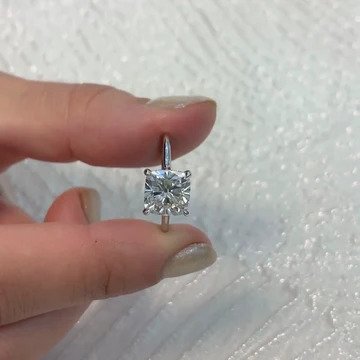
Cushion cuts are especially interesting because they combine rounded corners with a soft square or rectangular outline. When the proportions are elongated, the shape can take on a more contemporary appearance while retaining some of the softer character associated with traditional cushion designs.
For those interested in this style, you can browse an elongated cushion engagment ring to see how an extended silhouette can influence the overall look of an engagement ring. The elongated outline can provide noticeable finger coverage while maintaining the rounded corners that distinguish the cushion shape.
Proportion should be considered carefully when choosing an elongated diamond. Two diamonds with the same carat weight can appear quite different depending on their length-to-width ratio, depth, and overall measurements. Rather than focusing on carat weight alone, comparing the actual dimensions can help you understand how much surface area the diamond may display from above.
This is one reason elongated designs can appeal to buyers seeking a noticeable center stone without necessarily choosing a very high carat weight. The visual effect depends on several factors, including the diamond’s proportions and the setting surrounding it.
Modern Settings With Classic Appeal
The setting is another important part of creating a timeless yet modern engagement ring. A diamond can have a traditional shape but look contemporary when paired with the right setting.
A bezel setting, for example, surrounds the diamond with a thin metal rim. It creates a smooth outline and offers a more streamlined appearance than exposed prongs. This style can be especially appealing to someone who prefers minimalist jewelry or wants a setting with fewer visible structural details.
Prong settings take a different approach by allowing more of the diamond’s edges to remain visible. A classic solitaire can use traditional prongs, while modern versions may feature tapered shoulders, split shanks, or subtle architectural details.
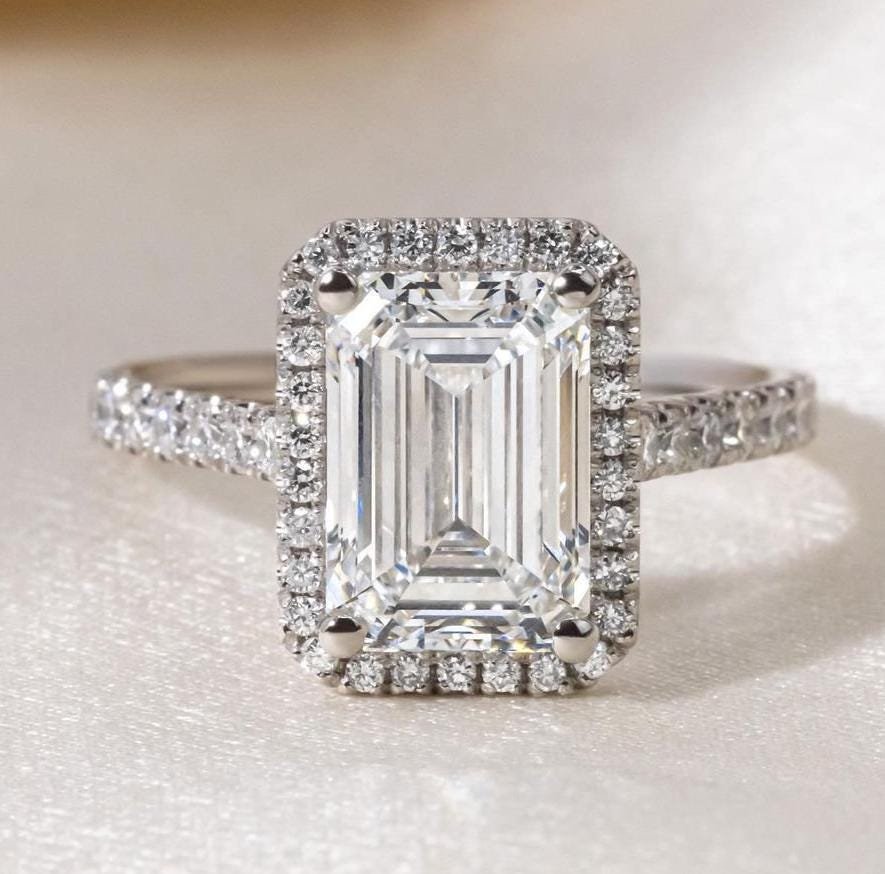
For a more distinctive look, a hidden halo can add detail underneath the center diamond without dramatically changing the ring’s appearance from above. This creates an interesting contrast between a relatively simple top view and a more decorative side profile.
Three-stone settings are another option for those who want additional visual interest. They can incorporate a larger center diamond with two smaller side stones, creating a balanced composition. The style has traditional associations, but choosing a less conventional diamond shape or a streamlined band can make it feel distinctly contemporary.
The goal is not necessarily to choose the most unusual setting available. Instead, small structural details can give a familiar design a fresh appearance without making it difficult to wear over time.
Choosing the Right Metal and Proportions
Metal choice can change the personality of an engagement ring considerably. Yellow gold tends to create a warmer contrast against a diamond, while white gold offers a cooler, cleaner appearance. Rose gold introduces a softer pink tone and can give a familiar setting a different visual character.
The width of the band also matters. A very thin band can make the center diamond appear more prominent, while a wider band can create a stronger, more substantial look. Neither approach is automatically better; the right choice depends on the proportions of the center stone and the wearer’s preferred style.
When working with an elongated diamond, the band should complement rather than compete with the center stone. A narrow, simple band can emphasize the length of the diamond, whereas additional stones or heavier shoulders can create a more detailed appearance.
It is also worth considering how the engagement ring will look alongside a future wedding band. Some settings leave plenty of space for a band to sit flush against them, while others may require a curved or specially shaped band.
This practical consideration is easy to overlook when focusing only on the center diamond. An engagement ring is likely to become part of everyday jewelry, so comfort, wearability, and compatibility with other pieces should be considered alongside appearance.
How to Create a Look That Will Age Well
A timeless engagement ring does not have to be completely traditional. In fact, some of the most successful designs combine a recognizable foundation with one or two personal details.
For example, a classic solitaire can be updated through an elongated center shape. A traditional yellow-gold setting can feel more current with a slimmer band. A simple white-gold design can become more distinctive through an unusual diamond proportion or subtle side detailing.
The key is balance. Too many competing design elements can make a ring feel visually busy, while a completely plain design may not reflect the wearer’s personality. Selecting one defining feature and keeping the remaining details restrained can create a more cohesive result.
Diamond quality should also be considered as part of the overall design. Cut quality, clarity, color, and proportions influence how the stone performs visually. For fancy-shaped diamonds, evaluating the actual appearance rather than relying only on grading terminology can be particularly useful.
Lighting can also affect how a diamond appears. A stone may look different under natural daylight, indoor lighting, and jewelry-store illumination. Taking time to observe the diamond in different conditions can provide a better understanding of its appearance.
Personal preference should ultimately guide the decision. An engagement ring is not simply an accessory chosen according to current trends. It is something that can become associated with a major moment in a couple’s life, making individuality just as important as fashion.
Making a Thoughtful Final Choice
Before choosing an engagement ring, it helps to narrow down the features that matter most. Start with the diamond shape, then consider the setting, metal, band width, and overall proportions. Looking at these elements together makes it easier to understand why certain designs feel more appealing than others.
Budget is another important part of the process. Instead of concentrating on one specification, consider how the available budget can be distributed across the diamond and setting. A well-proportioned diamond in a carefully designed setting can make a stronger overall impression than simply choosing the largest stone possible.
It is also useful to think about everyday wear. Someone who works with their hands frequently may prefer a setting with a lower profile or fewer exposed elements. Others may prioritize a more delicate appearance and be comfortable with a higher setting.
The best choice is ultimately one that feels natural to wear. Trends can provide inspiration, but personal style determines whether a design continues to feel right after the excitement of the purchase has passed.
For shoppers comparing different modern silhouettes and classic foundations, Antiquecut offers designs that can help illustrate how diamond shape and setting work together to create a distinctive engagement ring.
Conclusion
The most successful engagement ring styles often sit between two worlds. They carry design elements that have remained appealing for generations while introducing proportions, settings, or details that feel appropriate for modern tastes.
Solitaire settings, elongated diamond shapes, refined metal choices, and understated contemporary details can all contribute to this balance. Rather than following every trend, choosing one or two distinctive features allows the ring to express individuality while maintaining lasting appeal.
Whether the preference is for a simple solitaire, a streamlined bezel, or an elongated cushion design, the most important consideration is how the complete ring comes together. A thoughtful combination of diamond shape, setting, metal, and proportion can create a piece that feels personal today and remains meaningful for years to come.