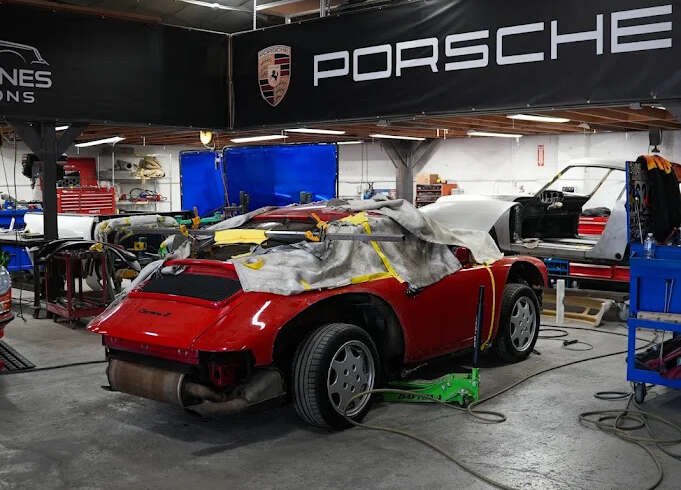

A vehicle that looks complete on the outside may conceal years of wear, previous repairs, and aging components that only become visible once disassembly begins. While every restoration is unique, certain challenges appear again and again, regardless of the model or production year.
Understanding these hidden obstacles before starting a restoration project helps owners set realistic expectations and make better decisions throughout the process.
Every Porsche Has a Different History
Unlike a newly manufactured vehicle, a classic Porsche has decades of history behind it.
Some cars have remained carefully maintained by a single owner, while others have passed through multiple hands, experienced accidents, or undergone partial restorations of varying quality.
That history often affects the restoration far more than the vehicle’s appearance suggests.
A detailed inspection usually reveals signs of previous repairs, replacement panels, or mechanical modifications that influence how the project should proceed.
I’ve noticed that many owners assume two similar-looking Porsches will require the same restoration work. In practice, one may need only cosmetic improvements while the other demands significant structural repairs hidden beneath fresh paint.
Hidden Rust Is Often the Biggest Surprise
Rust remains one of the most common—and most underestimated—challenges when restoring an older Porsche.
Surface corrosion is usually easy to identify, but more serious damage often develops in concealed areas such as:
- Floor pans
- Rocker panels
- Wheel arches
- Battery compartments
- Suspension mounting points
- Door sills
Once trim, carpeting, or undercoating is removed, seemingly minor corrosion can reveal extensive deterioration that requires careful metal repair.
Addressing structural rust properly is essential before cosmetic restoration begins.
Previous Repairs May Create New Challenges
Classic vehicles frequently carry evidence of repairs completed years or even decades earlier.
Some previous work reflects exceptional craftsmanship, while other repairs may involve excessive body filler, poorly aligned panels, or incorrect replacement parts.
Before moving forward, experienced restoration specialists carefully evaluate earlier repairs to determine whether they should be preserved, corrected, or completely redone.
This extra assessment often saves time later by preventing hidden problems from affecting the finished restoration.
Finding Authentic Replacement Parts
As Porsche models age, locating original replacement components becomes increasingly difficult.
Certain mechanical parts remain readily available, but some trim pieces, interior details, hardware, and body components require extensive searching through specialist suppliers or enthusiast networks.
In many cases, restoring original components becomes a better option than replacing them with reproduction parts.
Insider tip: Never discard original hardware during disassembly until the restoration is complete. Factory brackets, clips, fasteners, and trim pieces often fit more accurately than aftermarket replacements and can frequently be refurbished rather than replaced.
Mechanical Wear Isn’t Always Visible
A vehicle that starts and drives can still require substantial mechanical restoration.
Years of use gradually affect:
- Suspension bushings
- Engine seals
- Bearings
- Brake components
- Steering systems
- Fuel lines
- Electrical connections
Some problems only become apparent after the vehicle has been carefully inspected or partially dismantled.
Replacing worn mechanical components while the vehicle is already apart often improves long-term reliability and reduces future labor.
Electrical Systems Need Careful Attention
Electrical issues become increasingly common as classic vehicles age.
Wiring insulation may become brittle, connectors corrode, and previous owners sometimes install accessories using methods that complicate future repairs.
Rather than replacing the entire electrical system immediately, experienced restorers inspect each circuit carefully to determine which sections remain serviceable.
Thoughtful troubleshooting often preserves more of the vehicle’s originality while improving long-term reliability.
Matching Original Materials Takes Patience
Interior restoration presents its own unique challenges.
Seats, carpets, dashboards, door panels, and trim pieces all contribute to the character of a classic Porsche.
Finding materials that accurately match the original appearance often requires considerable research.
Even details such as stitching patterns, leather grain, carpet texture, and trim finishes influence the authenticity of the completed interior.
The smallest details frequently make the greatest difference.
Paint Reveals Everything
Fresh paint highlights craftsmanship—but it also exposes imperfections.
Bodywork that appears acceptable before refinishing may reveal subtle waves, uneven repairs, or panel inconsistencies once glossy paint is applied.
Professional restoration places tremendous emphasis on preparation, including:
- Metal finishing
- Surface straightening
- Primer application
- Block sanding
- Panel alignment
The final paint quality depends largely on the work completed before the spray gun is ever used.
Insider tip: Experienced restorers inspect body panels under low-angle lighting before final paint. Shadows cast across the surface often reveal slight imperfections that remain invisible under overhead shop lights.
Balancing Originality with Modern Reliability
Every restoration involves choices.
Some owners pursue factory-correct authenticity, while others prefer discreet upgrades that improve everyday usability without changing the vehicle’s appearance.
Examples include:
- Improved ignition components
- Updated fuel hoses
- Modern insulation materials
- Hidden electrical improvements
- Enhanced corrosion protection
The best decisions support reliability while respecting the vehicle’s original engineering and character.
Patience Is Part of the Process
Perhaps the most overlooked challenge is time.
Quality restoration rarely follows a perfectly predictable schedule because each stage may uncover additional work requiring attention.
Attempting to rush bodywork, mechanical rebuilding, or interior restoration often leads to compromises that become difficult to correct later.
Patience allows technicians to solve problems properly instead of simply covering them.
According to the restoration specialists at perfect lines restoration, successful Porsche restorations depend on careful inspection, thoughtful planning, skilled craftsmanship, and addressing hidden issues before they become visible in the finished vehicle.
Why Thorough Documentation Helps
Keeping detailed records throughout the restoration benefits both the current owner and future caretakers of the vehicle.
Documentation may include:
- Photographs before disassembly
- Parts inventories
- Restoration notes
- Mechanical records
- Paint information
- Interior material specifications
These records simplify future maintenance and preserve valuable information about the vehicle’s restoration history.
Final Thoughts
Restoring an aging Porsche involves much more than repairing visible damage. Hidden rust, aging mechanical systems, previous repairs, electrical issues, and sourcing authentic components all contribute to the complexity of the project. While these challenges may seem daunting, they also make every successful restoration especially rewarding.
Also read for more information so click here.