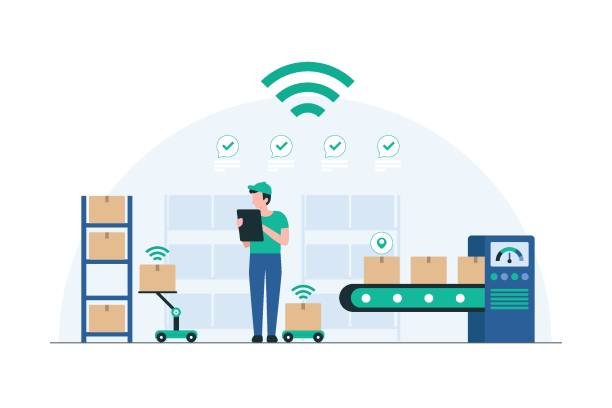

Transportation plays a critical role in keeping businesses connected with suppliers, warehouses, and customers. Across the United States, companies face increasing challenges related to freight costs, delivery schedules, shipment visibility, and carrier coordination. Managing these activities manually can lead to delays, unnecessary expenses, and operational inefficiencies. A reliable Transport Management System USA helps businesses simplify transportation processes, improve shipment planning, and maintain better control over logistics operations.
What Is a Transportation Management System?
A Transportation Management System (TMS) is a digital platform designed to plan, execute, monitor, and optimize the movement of goods. It connects transportation activities within a centralized system, allowing logistics teams to manage shipments, carriers, freight documentation, and delivery performance.
Modern TMS software logistics supports businesses handling domestic and international shipments. Whether a company operates a small distribution network or manages transportation across multiple states, the technology provides better visibility into freight movements and helps transportation teams make informed decisions.
Why Businesses in the USA Need TMS Software
The American logistics industry operates across extensive transportation networks involving manufacturers, distributors, retailers, and third-party logistics providers. Coordinating shipments across different locations requires accurate information and effective communication.
Businesses implementing TMS USA platforms can reduce dependence on spreadsheets, phone calls, and disconnected systems. Transportation managers can compare carrier options, organize shipments, monitor freight expenses, and identify delivery issues before they disrupt operations.
A centralized transportation platform also improves collaboration between warehouse teams, logistics providers, and customers. This coordination becomes particularly valuable when businesses experience seasonal demand fluctuations or unexpected transportation challenges.
Essential Features of Modern TMS Solutions
An effective TMS solution offers capabilities that address everyday transportation challenges. Automated shipment planning helps businesses select suitable transportation routes based on delivery requirements, distance, and available capacity.
Carrier management allows logistics teams to maintain carrier information, evaluate service performance, and compare freight rates. Real-time shipment tracking provides visibility into transportation progress, helping businesses communicate accurate delivery updates.
Freight audit and payment features support invoice verification and transportation cost management. Reporting dashboards also provide insights into delivery performance, carrier reliability, transportation spending, and shipment efficiency.
When these capabilities work together, businesses can manage transportation activities more consistently while reducing administrative workloads.
How TMS Software Helps Reduce Transportation Costs
Transportation expenses represent a significant operational concern for businesses moving products across the United States. Poor route planning, inefficient carrier selection, and underutilized truck capacity can increase freight spending.
Advanced TMS software helps transportation teams evaluate shipping alternatives and identify opportunities for cost savings. Shipment consolidation, route optimization, and automated carrier selection can improve vehicle utilization and reduce unnecessary transportation movements.
The software also creates greater transparency around freight charges. Businesses can review historical shipping costs, compare transportation performance, and identify recurring expenses that require attention.
Improving Customer Experience Through Transportation Visibility
Customer expectations have changed considerably as businesses increasingly demand timely deliveries and transparent shipment information. Transportation delays can affect customer satisfaction, inventory availability, and long-term business relationships.
A modern Transport Management System USA supports shipment visibility by collecting transportation updates and making them accessible to relevant teams. Logistics managers can track delivery milestones, identify exceptions, and communicate changes more efficiently.
This visibility helps customer service teams respond to delivery inquiries without relying entirely on manual carrier communication.
Choosing the Right TMS Solution for Your Business
Selecting a transportation management platform requires understanding existing logistics challenges and future business requirements. Companies should evaluate shipment volumes, transportation modes, carrier networks, integration capabilities, and reporting needs.
A scalable TMS solution should integrate with warehouse management systems, enterprise resource planning platforms, and other business applications. Ease of use, implementation support, data security, and customization options are also important considerations.
Businesses should prioritize technology that supports practical operational improvements rather than selecting software solely based on the number of available features.
Conclusion
Transportation efficiency has become essential for businesses competing in the US logistics market. Implementing the right TMS USA platform can help organizations improve freight planning, strengthen carrier coordination, increase shipment visibility, and manage transportation expenses.
As supply chains become more complex, investing in reliable transportation management technology provides businesses with a stronger foundation for operational efficiency, customer satisfaction, and sustainable growth.