
Medical packaging plays a critical role in protecting healthcare products from contamination and damage. Manufacturers need dependable equipment that creates consistent seals, supports packaging quality, and helps maintain product integrity throughout storage and distribution. Choosing the wrong machine can lead to rejected packages, wasted materials, and expensive production delays. For businesses looking to control costs without cutting corners, understanding the available sealing technology is a smart first step.
A Tyvek Sealer is specialized equipment used to seal compatible medical packaging materials, including pouches or packaging structures made with Tyvek material. In the United States, medical device manufacturers and packaging operations must consider seal consistency, material compatibility, process validation, and applicable regulatory requirements before choosing a sealing solution. The right equipment can help improve production efficiency while supporting a controlled, repeatable packaging process.
What Is a Tyvek Sealer?
A Tyvek Sealer is a packaging machine designed to create seals in compatible packaging structures that incorporate Tyvek, a material made from high-density polyethylene fibers. Tyvek is widely used in selected medical packaging applications because its structure can provide microbial barrier properties while allowing gas or sterilizing agents to pass through under appropriate conditions.
Unlike ordinary plastic bags, medical packaging that uses Tyvek often combines a porous material with a compatible film or other packaging component. A Tyvek Sealer must therefore work within the sealing requirements of the specific material combination. Correct temperature, pressure, dwell time, and equipment configuration are important factors in producing a seal that meets established specifications.
Not every heat sealer can reliably seal every Tyvek-based package. Businesses should confirm the equipment manufacturer’s compatibility guidance and the packaging material supplier’s requirements before purchasing a machine. This extra diligence can save money by reducing unsuitable equipment purchases and preventing avoidable production problems.
Why Tyvek Sealing Matters in Medical Packaging
A properly designed Tyvek Sealer helps create the sealed closure that contributes to the performance of a medical package. The packaging system must protect the device from contamination while allowing the package to be opened appropriately at the point of use. Seal quality is therefore a critical part of the overall packaging design.
Medical packaging performance depends on more than the sealing machine alone. Material selection, package design, sterilization method, transportation conditions, storage environment, and handling all affect the finished package. A Tyvek Sealer must operate as part of a qualified process that accounts for these factors.
For manufacturers, the goal is to achieve consistent results rather than simply produce a seal that looks good. Wrinkles, channels, weak areas, or other defects may compromise package performance. Appropriate inspection and testing help identify potential problems before products reach customers.
Tyvek Pouch Sealing Machine: Key Features to Compare
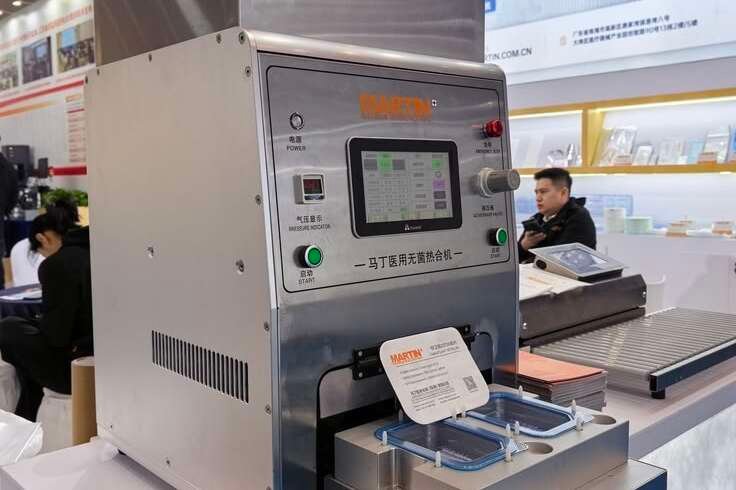
A Tyvek pouch sealing machine is designed to seal compatible pouches used in medical and healthcare packaging. Depending on the application, machines may offer controlled temperature settings, adjustable sealing pressure, defined dwell times, process monitoring, and documentation features.
When comparing a Tyvek Sealer, buyers should review the sealing width, maximum package dimensions, supported materials, operating range, and expected production volume. Equipment should match the packaging format and the manufacturer’s defined process requirements rather than relying on broad claims about universal compatibility.
Controls and monitoring features can also matter. Some applications require more detailed process records and tighter control of sealing parameters than others. Businesses should determine which functions are necessary for their quality system and regulatory obligations before paying extra for advanced features.
Serviceability deserves attention, too. Ask whether replacement components are available, how maintenance is performed, and what technical support the supplier provides. A Tyvek Sealer that is easier to maintain and supported by accessible spare parts may deliver better long-term value than a cheaper machine with limited support.
Medical Tyvek Heat Sealer: Understanding Process Control
A medical Tyvek heat sealer applies controlled heat and pressure to compatible packaging materials to create a consistent seal. The precise operating conditions depend on the material construction, equipment design, and validated packaging process.
When selecting a Tyvek Sealer, manufacturers should understand how the equipment controls and maintains key sealing parameters. Temperature variation, inconsistent pressure, worn components, and incorrect dwell time can contribute to seal defects. Equipment selection should consider how these variables are set, monitored, and managed during production.
Operators also need clear work instructions and appropriate training. Staff should know how to position packaging, verify machine settings, recognize visible defects, and respond when results fall outside established limits. Consistent operating practices help reduce variation between shifts and production runs.
For regulated medical device packaging, process validation is especially important. The manufacturer must establish that the selected process can consistently produce packages meeting predefined requirements. A Tyvek Sealer alone does not guarantee compliance or package sterility; the equipment and sealing process must be evaluated within the complete packaging system.
Sterile Packaging Sealer and Medical Device Protection
A sterile packaging sealer supports the creation of a sealed package designed to maintain the required barrier performance after an appropriate sterilization process. The packaging system must be compatible with the chosen sterilization method and intended storage and distribution conditions.
For companies investing in a Tyvek Sealer, the key question is whether the complete packaging configuration is suitable for the product and its intended use. Tyvek is used in various medical packaging designs, but the suitability of a particular construction depends on the material grade, package design, sterilization process, and relevant performance requirements.
A sealed package should not be assumed sterile simply because it uses Tyvek or has passed through a sealing machine. Sterility depends on a validated sterilization process and maintenance of the package’s integrity through handling and distribution.
Manufacturers should also establish suitable procedures for monitoring defects, handling nonconforming packages, and documenting corrective actions. These measures help build confidence in the packaging process and support a more reliable supply chain.
Tyvek Packaging Equipment for Different Production Needs
Tyvek packaging equipment ranges from compact systems for lower-volume operations to more advanced machines designed for larger production environments. The right configuration depends on package size, daily output, material specifications, operator workflow, and quality requirements.
For a smaller manufacturer, a Tyvek Sealer with straightforward controls may be sufficient when production volume and packaging needs are limited. A larger facility may require automated handling, additional monitoring, data recording, or integration with other packaging equipment.
Businesses should avoid buying equipment based only on advertised speed. Real production output depends on package loading, sealing cycle duration, cooling time, inspection, and any required documentation. A machine that looks fast on paper may not deliver the expected throughput in an actual production environment.
Before purchasing Tyvek packaging equipment, test the proposed setup with the intended packaging materials whenever possible. A supplier demonstration or sample evaluation can reveal compatibility issues and help determine whether the equipment fits the workflow.
Medical Pouch Sealing System: Integration and Reliability
A medical pouch sealing system may include the sealing machine, compatible packaging materials, operating procedures, inspection methods, and process documentation. Treating these elements as a coordinated system helps manufacturers manage quality more effectively.
When evaluating a Tyvek Sealer, businesses should consider how it fits into the existing packaging line. Important questions include whether the machine accommodates current pouch dimensions, whether operators can load packages efficiently, and whether the equipment supports required production records.
Reliable operation also depends on preventive maintenance. Sealing surfaces, heating elements, sensors, and pressure mechanisms should be checked according to the manufacturer’s instructions. Maintenance records can help identify recurring problems and support timely replacement of worn parts.
A well-integrated Tyvek Sealer can help reduce unnecessary handling and improve repeatability. However, integration should be evaluated alongside process qualification and package testing, not treated as a substitute for either one.
Sterile Packaging Quality: Testing and Validation
Testing is essential for confirming that a Tyvek Sealer and its associated packaging process produce acceptable results. The appropriate methods depend on the package design, intended use, applicable standards, and the manufacturer’s quality requirements.
Seal strength testing can help assess whether a seal meets defined mechanical performance criteria. Visual inspection may identify wrinkles, incomplete seals, contamination, or other obvious defects. Other integrity assessments may be appropriate when the application requires evidence that the packaging barrier remains intact.
Medical device packaging validation should be based on a documented plan. Manufacturers typically establish process parameters, evaluate operating ranges, assess repeatability, and define acceptance criteria before routine production. The validation approach should reflect the risks associated with the device and packaging system.
For a Tyvek Sealer, validation should not be reduced to finding one temperature setting that appears to work. The process must be evaluated under appropriate conditions, including relevant material variations and operating circumstances. Qualified packaging professionals can help determine the testing and documentation needed for a particular application.
How to Choose a Cost-Effective Tyvek Sealer
Selecting a Tyvek Sealer requires balancing initial cost with reliability, maintenance, technical support, and the cost of rejected packaging. A low purchase price may look appealing, but frequent defects or downtime can quickly offset the initial savings.
Start by defining the package dimensions, material specifications, required output, and quality expectations. Then compare machines that meet those needs. This approach helps prevent overspending on unnecessary features while avoiding equipment that cannot meet production requirements.
Ask suppliers for a detailed quotation that identifies the machine configuration, included accessories, installation requirements, warranty coverage, maintenance recommendations, and replacement parts. Clarify whether training and technical support are included or charged separately.
For a price-conscious US manufacturer, a Tyvek Sealer should be assessed by its total cost of ownership rather than purchase price alone. Consider expected service life, consumables, operator time, maintenance, and potential production losses. A slightly higher upfront investment may be worthwhile if it provides stronger support and more consistent performance.
Common Mistakes to Avoid When Using a Tyvek Sealer
One common mistake is assuming that all Tyvek-based packaging uses the same sealing settings. Different material constructions and equipment designs may require different process conditions. A Tyvek Sealer should be configured according to the specific material and validated process.
Another mistake is overlooking routine maintenance. Worn or damaged components can affect sealing performance and increase the risk of defects. Following the manufacturer’s maintenance schedule helps keep the equipment in suitable working condition.
Companies should also avoid relying solely on visual inspection when the application requires additional performance testing. A seal that looks acceptable may still fail to meet the required mechanical or integrity criteria. The inspection and testing plan should be appropriate for the packaging design and intended use.
Finally, operators should not change validated settings without following the established change-control process. Any change that could affect packaging performance should be evaluated according to the manufacturer’s quality procedures. These practices help ensure that a Tyvek Sealer continues to support consistent and documented results.
Working With vander stahl on Packaging Solutions
Businesses researching medical packaging equipment may encounter vander stahl while comparing suppliers and packaging solutions. Before selecting a provider, buyers should confirm its current product offerings, technical capabilities, service options, and experience with their specific packaging requirements.
When discussing a Tyvek Sealer, ask for clear equipment specifications and evidence that the proposed model is suitable for the intended material and process. Buyers should also clarify what support is available for installation, training, maintenance, and troubleshooting.
For medical device applications, equipment selection should be coordinated with the organization’s quality and regulatory teams. The supplier’s claims should be reviewed alongside material compatibility information, validation needs, and relevant regulatory requirements.
A trustworthy purchasing decision is based on documented capabilities, transparent costs, and realistic performance expectations. By asking the right questions upfront, businesses can reduce uncertainty and make a more informed investment in packaging equipment.
Conclusion: Invest in Reliable Tyvek Sealing Technology
A Tyvek Sealer can play an important role in medical packaging operations by helping create consistent seals in compatible packaging materials. Choosing the right machine requires careful attention to material compatibility, sealing controls, production volume, maintenance, and validation requirements.
US manufacturers should compare equipment based on performance and total ownership costs, not price alone. Supplier support, replacement parts, operator training, and testing capabilities can all influence long-term value.
Most importantly, a Tyvek Sealer is only one part of a complete medical packaging process. Proper materials, qualified operating conditions, suitable testing, and documented procedures are essential for protecting package integrity. With a well-informed equipment choice and a disciplined quality approach, businesses can build a more reliable packaging workflow while making their investment count.