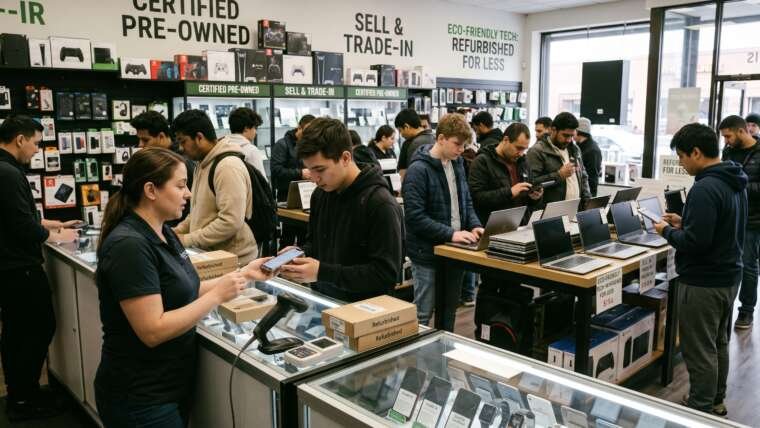
Technology continues to develop rapidly, and electronic devices have become an essential part of everyday life. From televisions and smartphones to laptops and home appliances, people depend on electronics for work, education, and entertainment. However, purchasing brand-new devices can be expensive, encouraging many consumers to explore more affordable alternatives. The Used Electronics Market has gained popularity because it allows customers to purchase previously owned products at competitive prices while supporting the reuse of existing technology.
The growing interest in second-hand electronics reflects changing consumer preferences, increasing environmental awareness, and the need for budget-friendly technology.
What Is the Used Electronics Market?
The used electronics market involves buying and selling previously owned electronic products. These products may include televisions, computers, laptops, smartphones, gaming devices, and household appliances.
Some devices are sold in their existing condition, while others may undergo inspection, cleaning, maintenance, or refurbishment before being offered to new customers.
This market connects people who want to sell unwanted electronics with buyers searching for affordable devices that meet their requirements.
1. Increasing Demand for Affordable Technology
One of the biggest reasons behind the growing popularity of pre-owned electronics is affordability.
Brand-new electronic products can require a significant investment, especially when customers are interested in popular brands or advanced features.
Used electronics provide an alternative for people who want reliable technology without paying the full price of a new device.
Students, families, freelancers, and small businesses can benefit from exploring second-hand products that match their budgets.
2. Greater Awareness of Environmental Sustainability
Environmental awareness is encouraging consumers to think more carefully about their purchasing decisions.
Electronic waste is a growing concern because discarded devices may contain materials that require proper handling and recycling.
Buying pre-owned electronics helps extend the useful life of existing products. Instead of allowing functional devices to become unnecessary waste, consumers give them another opportunity to serve a purpose.
This approach supports responsible consumption and reduces unnecessary electronic disposal.
3. Growth of Online Shopping Platforms
Online marketplaces have made buying and selling used electronics easier than ever.
Customers can explore available products, compare specifications, review photographs, and communicate with sellers without visiting multiple physical stores.
Online platforms also help sellers reach a wider audience and advertise products more conveniently.
As digital shopping continues to develop, the second-hand electronics industry is becoming more accessible to different types of consumers.
4. Availability of Different Electronic Products
The pre-owned electronics market offers a variety of products for different needs and budgets.
Popular categories include:
- LED and Smart TVs.
- Desktop computers and laptops.
- Smartphones and tablets.
- Computer monitors and accessories.
- Gaming consoles and entertainment equipment.
- Household electronic appliances.
This variety allows buyers to compare different models and choose products according to their preferences.
5. Better Opportunities for Students and Small Businesses
Students and small business owners often need electronic equipment but may have limited budgets.
Buying used laptops, computers, monitors, and other devices can help them access useful technology at lower prices.
For example, a student may purchase a second-hand laptop for assignments and online learning, while a small business may choose pre-owned computers for everyday office activities.
These affordable options can make technology more accessible without requiring a large initial investment.
6. Improved Inspection and Refurbishment Practices
The quality of used electronics is an important factor influencing customer confidence.
Many professional resale businesses inspect devices before offering them for sale. They may check screen quality, battery performance, connectivity, physical condition, and other important features.
Some products also undergo refurbishment, which may include cleaning, repairing faulty components, or replacing damaged parts.
These practices can improve product reliability, although buyers should always confirm whether a device is simply used or professionally refurbished.
7. Changing Consumer Buying Habits
Modern consumers are increasingly interested in value rather than simply purchasing the newest available model.
Many people now compare new and pre-owned products before making a purchasing decision.
If an older television, laptop, or smartphone still offers the features they need, buying a second-hand model may be a sensible choice.
This shift in consumer behavior is helping the used electronics market attract a wider audience.
8. Opportunities for Electronics Resale Businesses
The growing demand for pre-owned products also creates opportunities for businesses involved in electronics resale.
Resale companies can collect unwanted devices, evaluate their condition, organize product listings, and connect sellers with potential buyers.
They may also provide additional services such as product testing, refurbishment, and electronics collection.
Businesses such as Fida Used Electronics offer an online platform where customers can explore electronics-related services and learn more about used equipment.
Reliable service, transparent pricing, and accurate product descriptions can help these businesses build customer trust.
9. Important Things to Consider Before Buying Used Electronics
Although second-hand electronics offer several advantages, customers should evaluate products carefully before purchasing.
Here are some important factors to consider:
Physical Condition: Check for scratches, cracks, dents, and other visible damage.
Performance Testing: Make sure the device operates properly and its important features work.
Product Specifications: Compare the model, storage, display quality, and technical features.
Accessories: Confirm whether chargers, cables, remotes, and other necessary items are included.
Seller Reputation: Choose sellers who provide clear product information and communicate honestly.
Return Policy: Understand the available return, exchange, or warranty conditions before completing the purchase.
These precautions can help customers avoid unexpected problems and make better buying decisions.
10. The Future of the Pre-Owned Electronics Industry
The demand for second-hand electronics is expected to remain an important part of the technology marketplace.
Growing environmental awareness, changing spending habits, online shopping opportunities, and improvements in refurbishment practices are supporting this industry.
Consumers are also becoming more interested in affordable products that offer practical features and good value.
As resale businesses improve their inspection processes and customer services, the market may become even more accessible and organized.
Conclusion
The growing demand for pre-owned electronics reflects a shift toward affordable and responsible technology consumption. Used products allow customers to save money, provide resale opportunities for unwanted devices, and support the reuse of valuable electronic equipment.
By checking product conditions, choosing reliable sellers, and comparing available options, buyers can make informed purchasing decisions.
As technology continues to evolve, the used electronics market will remain an important option for consumers seeking practical, budget-friendly, and environmentally responsible alternatives.