

Posting regularly on social media, running some ads, publishing the occasional blog post — none of that automatically adds up to a real marketing campaign. A lot of businesses juggle multiple channels without any real sense of how they’re supposed to work together. That gap usually shows up as wasted budget, messaging that contradicts itself across platforms, and results that never quite match the effort going in.
That’s really the problem a digital marketing strategist solves. They connect actual business goals with the right channels, the right audience, and the right content — backed by real performance data rather than gut feeling. Instead of obsessing over one platform in isolation, they’re looking at the whole customer journey and building something that genuinely attracts, converts, and keeps customers coming back.
What Does This Role Actually Involve?
A digital marketing strategist plans, coordinates, and evaluates a company’s online marketing — but honestly, that’s a fairly narrow way to describe it.
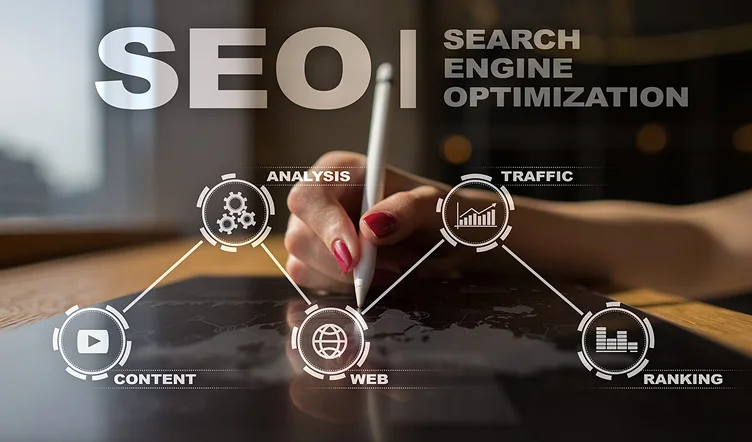
Their job goes way beyond just posting content or managing ad spend. They’re thinking about the bigger picture — how SEO, PPC, social media, content, email, website performance, conversion optimization, and reputation management should actually fit together instead of running as five disconnected efforts.
Picture an ecommerce company pulling traffic from Google, Instagram, and email campaigns simultaneously. A strategist looks across all of it, figures out exactly where customers are dropping off along the way, and recommends real changes to smooth out that path from first visit to actual purchase.
At its core, the role’s about making marketing decisions based on genuine business objectives and real data — not chasing whatever platform happens to be trending this quarter.
What Actually Fills Their Day-to-Day
Responsibilities shift depending on the business, but a few things stay fairly consistent across the role.
Understanding business goals comes first, always. Strategy should start with the actual business, not with whichever marketing platform seems exciting right now. That usually means asking which products or services actually drive the most revenue, who the ideal customers genuinely are, which markets the business serves, what customer acquisition currently costs, whether the real need is leads, sales, traffic, or just awareness, and which channels are already delivering something.
These answers shape where marketing resources should actually go, instead of getting spread evenly and thinly across everything.
Researching the target audience matters just as much. A strategist digs into customer needs, how people actually search, what’s holding them back from buying, and what they genuinely prefer. A B2B software company targeting decision-makers who need real detail before ever talking to sales probably needs SEO guides, case studies, LinkedIn content, webinars, and dedicated lead-gen landing pages. A local restaurant needs something completely different — local search visibility, social content, reviews, location-based ads.
Building the actual plan comes after that research, not before it. This means mapping out channels, content, campaigns, budgets, timelines, and real KPIs — essentially answering one simple question: what should we actually do, for whom, through which channel, and how will we know if it worked?
The Skills That Actually Matter Here
A genuinely good strategist needs both analytical chops and real communication ability — one without the other tends to fall short.
Analytical thinking is essential. Marketing data reveals what’s actually working and what’s just noise. Strategists need real fluency with conversion rate, cost per acquisition, customer lifetime value, ROAS, organic traffic, and engagement metrics — not just collecting numbers for a dashboard, but actually using them to make real decisions.
SEO knowledge matters too, even if they’re not personally doing every technical fix. They need to understand how search engines work, how people actually search, and how content genuinely satisfies what someone’s actually looking for. They should know when technical SEO, content optimization, local SEO, or link building genuinely needs attention.
Content strategy ties directly into business objectives — deciding what topics actually matter, what format fits best, and where each piece sits in the customer’s journey.
Paid advertising knowledge helps too. Understanding Google Ads, social ad platforms, audience targeting, bidding strategy, creative testing, and conversion tracking lets a strategist allocate ad budget far more effectively than guessing.
And communication, honestly, ties everything together. Strategists constantly coordinate with designers, writers, developers, sales teams, and business owners. Without clear communication, priorities get muddled and nobody’s actually pulling in the same direction.
How a Real Strategy Actually Comes Together
A practical marketing strategy generally moves through a handful of real stages, not just one big planning session.
Research comes first — understanding the company, competitors, customers, the existing website, and current marketing performance honestly, warts and all.
Setting goals comes next, and they need to be specific and measurable. “Increase leads” means nothing concrete. A real goal might target a specific percentage increase in qualified inquiries within a defined timeframe.
Choosing channels shouldn’t just mean copying whatever competitors happen to be doing. It means picking platforms where your actual target customers spend real time, and where the business can genuinely compete rather than getting drowned out.
Creating and launching means actually building the landing pages, content, ads, social posts, and email campaigns the strategy calls for.
Measuring results means tracking the KPIs that actually matter and comparing real performance against the original goals set at the start.
And improving — because marketing rarely stays static for long. Reviewing the data, spotting weak points honestly, testing fixes, and adjusting the plan based on what’s genuinely working. This whole process creates an ongoing feedback loop rather than treating marketing like a one-and-done project you set up once and forget about.
When Hiring a Strategist Actually Makes Sense
Not every business needs a full-time strategist on staff. But real strategic support genuinely earns its cost once marketing starts feeling scattered and hard to coordinate.
Worth considering when: you’re running several channels without a clear unifying plan, ad costs keep climbing without better results to show for it, your site gets traffic but barely any leads, different marketing efforts operate in silos without shared goals, you genuinely can’t tell which channels are actually driving revenue, you’re entering a new market, launching something new, or just trying to improve how you actually acquire customers.
A growing Saudi ecommerce company, for instance, might already be running SEO, PPC, Instagram, and email — all separately, none of it unified into a coherent customer journey. A real strategist connects these efforts and identifies exactly where potential customers are slipping through the cracks.
Actually Choosing the Right Person for This
Experience alone shouldn’t be your only filter here.
Look for someone who can explain strategy in genuinely plain language, connect marketing activity back to real business goals, use actual data to support what they’re recommending, understand your specific audience, identify opportunities that are realistic rather than aspirational, set KPIs you can genuinely measure, explain limitations honestly instead of overselling, provide reports that actually mean something, and work well alongside other teams instead of operating in isolation.
Ask for examples of past work, but pay more attention to the thinking behind the results than the results themselves. A genuinely good strategist can walk you through what problem existed, what approach they actually took, what changed, and how they measured whether it worked.
Steer clear of anyone promising guaranteed rankings or guaranteed sales before they’ve even taken the time to understand your business and market properly. That kind of promise is usually a red flag, not a selling point.
FAQs
What’s the main role of a digital marketing strategist?
Creating and managing a marketing plan that genuinely connects business goals with customers, channels, content, campaigns, and measurable results.
Is a strategist the same thing as a digital marketer?
Not always. A digital marketer often specializes in actually executing specific activities, while a strategist focuses more on planning, coordination, analysis, and overall direction. Sometimes one person handles both roles.
What skills should I actually look for?
SEO knowledge, real analytical ability, content strategy, paid advertising experience, genuine audience research, conversion optimization, communication skills, and strategic thinking.
How much does hiring a strategist actually cost?
Varies quite a bit based on experience, project scope, market, business size, and whether you’re hiring a freelancer, consultant, agency, or bringing someone on full-time.
Can a small business genuinely benefit from this?
Yes. A strategist helps a small business prioritize a limited marketing budget and focus energy on channels that actually align with their customers and goals, instead of spreading thin across everything.
Conclusion
A digital marketing strategist takes scattered, disconnected marketing efforts and turns them into something genuinely coordinated. Instead of chasing every new platform or trend that pops up, they stay focused on real customers, actual business objectives, measurable results, and continuous improvement over time.
The most effective strategy starts with genuine research, sets clear goals, picks the right channels deliberately, measures outcomes that actually matter, and adapts when the data points toward a better approach.
If your business has plenty of marketing activity happening but no real sense of direction tying it together, it’s worth evaluating your current approach and building something more deliberate — focused on visibility, genuinely qualified leads, and growth that actually lasts.