
Introduction
Air quality, indoor comfort, and energy efficiency are important factors in creating a healthy and functional building. Whether it is a residential property, commercial office, shopping centre, or industrial facility, a properly designed heating, ventilation, and air conditioning (HVAC) system plays an important role in maintaining comfortable indoor conditions. One of the most essential components of an HVAC system is its air duct network. Air ducts distribute conditioned air throughout different areas of a building, helping maintain consistent temperatures and proper ventilation.
Air duct installation is an important process that directly affects the performance, efficiency, and reliability of an HVAC system. Properly installed ducts allow air to move smoothly between the HVAC unit and indoor spaces. On the other hand, poorly designed or incorrectly installed ductwork can result in uneven cooling, energy waste, poor airflow, and increased maintenance requirements.
Understanding the importance of professional air duct installation helps property owners, contractors, and facility managers make informed decisions about their building’s ventilation requirements.
Understanding the Importance of Air Duct Installation

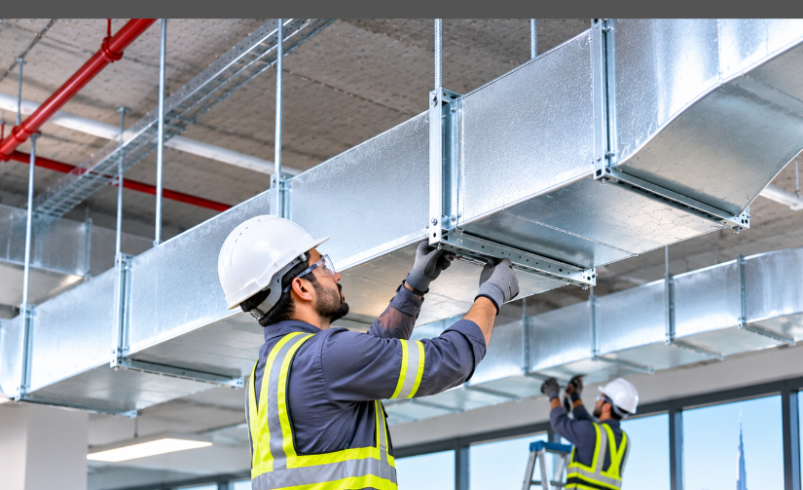
Air ducts are passages that carry heated or cooled air from an HVAC system to different rooms and spaces. They also help return indoor air to the system for filtration and temperature adjustment. These ducts are generally installed within ceilings, walls, floors, and designated service areas, depending on the building’s design.
A properly planned duct system considers several factors, including building size, room layout, airflow requirements, insulation, and HVAC capacity. Every component must work together to ensure that conditioned air reaches the intended areas without unnecessary pressure loss.
Professional installation ensures that the ductwork is correctly measured, connected, sealed, and positioned. This helps the entire HVAC system operate effectively while supporting comfortable indoor conditions.
Note : Proper Air Duct Installation had helped buildings maintain consistent airflow and comfortable indoor temperatures. Well-planned ductwork had also supported HVAC efficiency and improved ventilation. AC Pro had provided professional air duct solutions designed for different building requirements. Contact AC Pro today to explore reliable HVAC installation services.
How Air Duct Installation Improves Indoor Air Quality
Indoor air quality is an important consideration for both residential and commercial buildings. People spend a significant amount of time indoors, making proper ventilation necessary for maintaining a healthy environment.
Air ducts help circulate indoor air while supporting the movement of fresh air through suitable ventilation systems. When the duct network is properly installed and maintained, it allows air to move efficiently through filters and ventilation components.
Correct duct installation also helps reduce the possibility of air leakage from unconditioned spaces. Poorly sealed ducts may allow dust, insulation particles, and other unwanted contaminants to enter the airflow, depending on their location and surrounding conditions.
A well-designed duct system supports proper filtration and ventilation, helping maintain cleaner indoor air. Regular filter replacement, duct inspection, and HVAC maintenance are also necessary to achieve good indoor air quality.
Why Proper Airflow Distribution Matters in Buildings
Consistent airflow is essential for maintaining comfortable temperatures throughout a building. Different rooms may have different cooling and ventilation requirements depending on their size, occupancy, equipment, and exposure to sunlight.
A professionally installed duct network distributes conditioned air according to the building’s requirements. Proper duct sizing and layout help ensure that each room receives an appropriate amount of airflow.
Incorrect installation can create airflow imbalances. Some rooms may receive excessive cooling, while others may remain warmer than expected. Such problems can affect occupant comfort and place additional pressure on the HVAC system.
Professional air duct installation considers duct dimensions, air pressure, supply outlets, return-air pathways, and airflow requirements. This approach helps create a balanced ventilation system that supports consistent indoor comfort.
The Role of Air Duct Installation in Energy Efficiency
Energy efficiency is a major concern for property owners and commercial building operators. HVAC systems often account for a considerable portion of a building’s energy consumption. Therefore, improving the efficiency of air distribution can contribute to better energy management.
Properly installed air ducts help reduce unnecessary air leakage and airflow restrictions. When conditioned air travels through sealed and correctly sized ducts, the HVAC system can distribute air more effectively.
Poorly installed ductwork may allow cooled or heated air to escape before reaching its intended destination. As a result, the HVAC unit may need to operate for longer periods to maintain the desired indoor temperature.
Insulation is another important consideration. Ducts installed in unconditioned areas may require suitable insulation to minimise unwanted heat transfer. Correct sealing and insulation can help reduce energy losses and support better HVAC performance.
Although energy savings depend on the building design, climate, equipment, and usage patterns, professional installation provides a strong foundation for efficient operation.
How Professional Installation Supports HVAC System Performance
An HVAC system consists of several interconnected components, including air handling units, filters, cooling coils, fans, thermostats, and ductwork. Each component contributes to the overall performance of the system.
Air ducts must be compatible with the HVAC equipment to ensure proper air movement. Incorrect duct sizing can create excessive resistance, resulting in reduced airflow and additional strain on fans and other components.
Professional installation involves evaluating the HVAC capacity and designing a suitable duct network. Installers consider the length of duct runs, number of bends, connection points, and required airflow before completing the installation.
Properly connected duct sections and appropriately positioned air outlets help the HVAC system distribute conditioned air efficiently. This can also reduce unnecessary operating pressure and support the long-term reliability of the equipment.
Selecting the Right Materials for Air Duct Installation
The materials used in ductwork influence durability, insulation, maintenance, and overall system performance. Different buildings require different duct materials depending on their application, environmental conditions, and HVAC design.
Galvanised steel is commonly used in commercial and industrial duct systems because of its strength and durability. Aluminium ductwork is another option for applications where lightweight construction and corrosion resistance are important.
Flexible ducts are often used for connecting main duct lines to individual air outlets. However, they must be installed correctly to avoid excessive bends, compression, and airflow restrictions.
Fibreglass duct boards may also be used in certain applications because of their insulation and sound-absorbing properties.
Choosing the right material requires an understanding of the building’s ventilation requirements, installation environment, and applicable standards. Professional guidance helps ensure that the selected materials are suitable for the intended application.
Why Air Duct Insulation and Sealing Are Important
Duct insulation and sealing are essential parts of an effective air distribution system. Even a well-designed duct network may experience performance problems if its joints are not properly sealed or its insulation is inadequate.
Air leakage can reduce the amount of conditioned air reaching occupied spaces. It may also allow unwanted air to enter the duct system, depending on pressure conditions and duct location.
Proper sealing helps minimise these issues by preventing unnecessary air loss around joints, connections, and access points. Suitable insulation helps maintain the temperature of the air moving through ducts, particularly when they pass through unconditioned spaces.
Together, these measures support better temperature control, improved energy efficiency, and more consistent HVAC performance.
The Importance of Air Duct Installation in Commercial Buildings
Commercial buildings often have complex ventilation requirements because they contain multiple rooms, floors, work areas, and high-occupancy spaces. Offices, hotels, retail stores, restaurants, and healthcare facilities require effective air distribution to maintain comfortable indoor environments.
A properly designed duct system helps distribute conditioned air across different sections of the property. It also supports ventilation requirements based on occupancy levels and the specific use of each space.
In commercial environments, incorrect duct installation can create temperature differences, poor ventilation, and unnecessary energy consumption. These issues may affect employee productivity, customer comfort, and daily business operations.
Professional air duct installation considers the building’s layout, HVAC capacity, occupancy requirements, and ventilation design. This ensures that the ductwork supports the operational needs of the property.
Common Factors to Consider Before Installing Air Ducts
Planning is an important part of any successful duct installation project. Before starting the work, building owners and contractors should evaluate the property’s ventilation requirements and existing HVAC infrastructure.
Building size and layout are among the first considerations. The duct network should be designed to accommodate the number of rooms, ceiling heights, and available installation spaces.
Airflow calculations are equally important because they help determine the appropriate duct dimensions and distribution requirements. Incorrect sizing may create pressure imbalances and reduce system performance.
The location of the HVAC equipment, accessibility for maintenance, insulation requirements, and quality of duct connections should also be considered. Additionally, installation should follow relevant building codes, fire safety requirements, and ventilation standards.
Proper planning helps avoid unnecessary modifications and supports a more reliable installation process.
Maintaining Air Ducts for Long-Term Performance
Installing an efficient duct system is only the beginning. Regular inspection and maintenance are necessary to keep the ventilation network functioning properly.
Dust accumulation, damaged insulation, loose connections, and air leakage can affect duct performance over time. Routine inspections help identify these issues before they become more serious.
HVAC filters should be checked and replaced according to manufacturer recommendations. Air vents and return grilles should also remain free from obstructions to support proper circulation.
Professional maintenance can help identify airflow problems, inspect duct connections, and assess the condition of insulation. Cleaning should be carried out when there is a clear need rather than following an unnecessary fixed schedule.
Consistent maintenance supports the durability of the ductwork and helps maintain reliable HVAC performance.
Conclusion
Air duct installation is an essential part of creating an efficient, comfortable, and properly ventilated building. From improving airflow distribution and supporting indoor air quality to reducing energy losses and maintaining HVAC performance, a well-designed duct system provides several important benefits.
Choosing suitable materials, calculating the correct duct dimensions, ensuring proper sealing, and installing appropriate insulation are all important aspects of the process. These factors become even more significant in commercial and industrial buildings where ventilation requirements can be complex.
Working with experienced AC PRO helps ensure that air duct systems are designed and installed according to the building’s specific requirements. With proper installation and regular maintenance, building owners can support long-term HVAC efficiency, indoor comfort, and dependable ventilation performance.
For More Isightful Articles Related To This Topic, Feel Free To Visit: blog.neardirectory