

Here are three publication-friendly title options. I’d choose #1 because it addresses a common post-accident concern while naturally supporting the topic of collision repair.
3 Title Ideas
- What Really Happens After a Car Collision?
- Beyond the Dent: Understanding Modern Car Repairs
- Your Car After an Accident: A Smarter Repair Guide
What Really Happens After a Car Collision?
A car collision can turn an ordinary day into a stressful series of decisions. Even when everyone walks away safely, drivers may suddenly have to deal with damaged body panels, insurance paperwork, transportation problems, and uncertainty about whether the vehicle is safe to drive.
One of the most important decisions is choosing how and where the vehicle should be repaired. A dented bumper or scraped door may appear to be a straightforward cosmetic problem, but modern vehicles contain structural components, sensors, wiring, and safety systems beneath their exterior surfaces. Damage that is not immediately visible can sometimes affect how a vehicle performs or protects its occupants.
Understanding what happens during the collision repair process can make the experience less overwhelming. Knowing what to look for, what questions to ask, and why a thorough inspection matters can help vehicle owners make informed decisions rather than simply choosing the quickest or cheapest option.
Why Collision Damage Can Be More Complicated Than It Looks
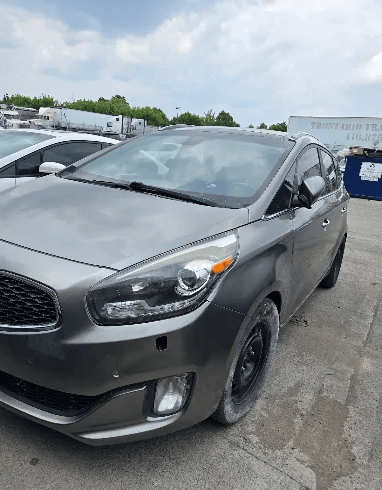
After an accident, the most obvious damage usually gets the most attention. A crushed bumper, broken headlight, or dented fender is easy to identify. However, the impact can also affect components hidden behind those parts.
The severity of hidden damage depends on factors such as the direction of impact, collision speed, location of the impact, vehicle construction, and the components positioned behind the damaged area.
Visible and Hidden Damage
A professional inspection may identify several different categories of damage, including:
- Cosmetic damage: Scratches, dents, paint damage, and damaged trim.
- Structural damage: Damage affecting parts of the vehicle’s underlying framework.
- Mechanical damage: Problems involving suspension, steering, wheels, cooling systems, or other mechanical components.
- Electrical damage: Issues affecting wiring, lights, sensors, or electronic systems.
- Safety-system damage: Problems involving airbags, cameras, radar, or other driver-assistance components.
This distinction matters because repairing the visible exterior alone may not resolve every issue caused by the collision.
For example, a vehicle may look relatively normal after a bumper replacement while a mounting point, sensor, or other component behind the bumper still requires attention.
Why a Thorough Inspection Matters
A detailed inspection establishes what actually needs to be repaired before work begins. Depending on the vehicle and collision, technicians may examine panel alignment, structural areas, suspension components, lights, sensors, and other affected systems.
In some cases, additional damage becomes apparent only after damaged panels are removed. When that happens, the repair estimate may need to be updated.
A trustworthy repair facility should explain these findings clearly rather than leaving the vehicle owner to interpret technical terminology alone.
What Happens During the Collision Repair Process?
Collision repair is not simply a matter of removing a dent and applying fresh paint. The process can involve several stages, and the exact sequence depends on the vehicle and extent of damage.
1. Initial Assessment and Estimate
The process generally starts with an inspection. The technician documents visible damage and determines which areas may require further investigation.
Photographs and written documentation can help establish the condition of the vehicle and support communication with an insurance provider when applicable.
2. Disassembly and Damage Discovery
Technicians may remove damaged exterior components to inspect areas that cannot be seen from outside.
This stage is important because some collision damage is concealed behind bumpers, fenders, lights, or other panels. If additional damage is discovered, the repair plan may change.
3. Structural and Mechanical Repairs
If the collision has affected structural or mechanical components, those problems need to be addressed before cosmetic work is completed.
Structural repairs may require specialized measuring and repair equipment to ensure the vehicle’s relevant dimensions are restored appropriately. Mechanical repairs may involve components such as suspension or steering, depending on the collision.
4. Bodywork and Refinishing
Once underlying repairs are addressed, damaged body panels may be repaired or replaced. The vehicle may then undergo preparation, painting, and finishing work.
Proper refinishing involves more than simply matching a paint color. Technicians need to consider the surrounding panels and the vehicle’s existing finish so the repaired area blends appropriately with the rest of the vehicle.
Drivers researching Collision repair in Brampton should therefore look beyond the appearance of a repair and ask how the facility approaches the entire repair process.
Modern Vehicles Require More Than Bodywork
Today’s vehicles increasingly rely on electronic technology to support safety and driving functions. This has changed what collision repair can involve.
A vehicle may contain cameras, radar sensors, parking sensors, blind-spot monitoring systems, lane-assistance technology, and other driver-assistance features.
Don’t Ignore Warning Signs After Repairs
Once repairs are completed, drivers should pay attention to changes in how the vehicle behaves.
Contact the repair facility if you notice:
- New dashboard warning lights
- Unusual steering behavior
- Pulling to one side
- Vibrations while driving
- Unusual noises
- Problems with lights or electronic features
- Difficulty opening or closing repaired doors or panels
These signs do not automatically mean the repair was performed incorrectly, but they deserve professional attention.
How to Choose a Reliable Collision Repair Facility
The quality of the repair facility can have a major influence on the overall experience. Price is understandably important, but it should not be the only factor considered.
When comparing facilities, look for evidence of:
- Experienced technicians
- Clear inspection and estimating procedures
- Transparent communication
- Appropriate repair equipment
- Attention to structural and safety-related damage
- Proper handling of refinishing work
- Clear documentation of completed repairs
- Willingness to explain recommendations
A facility offering Best collision repair in Brampton, ON should be able to explain not just what needs to be repaired, but why.
Questions to Ask Before Authorizing Repairs
Before approving the work, consider asking:
- What damage was found during the inspection?
- Could there be hidden damage behind the exterior panels?
- Are any structural or mechanical components affected?
- Do any sensors or safety systems need inspection or calibration?
- Which parts will be repaired and which will be replaced?
- What is the estimated repair timeline?
- What happens if additional damage is discovered?
Clear answers can help you understand the repair plan and avoid unpleasant surprises.
Making the Post-Accident Process Less Stressful
No one plans to spend a day dealing with vehicle damage. After a collision, it is natural to feel frustrated, worried about costs, or uncertain about what to do next.
The best approach is to slow the process down enough to make informed decisions.
Start by documenting the vehicle’s condition, follow applicable insurance and reporting requirements, and avoid driving a vehicle that may be unsafe. Then choose a repair facility willing to inspect the vehicle thoroughly and communicate openly.
Before collecting the repaired vehicle, review the work carefully. Check panel alignment, lights, doors, paintwork, warning indicators, and any features that were affected by the accident. If something feels different during a safe test drive, report it promptly.
Conclusion
A collision repair is successful when it addresses the consequences of the accident—not simply when the vehicle looks good again.
Taking time for a comprehensive inspection, understanding the repair process, asking questions, and choosing a reputable repair facility can help protect both your vehicle and your peace of mind. Modern collision repair may involve bodywork, mechanical components, structural repairs, electronics, and safety systems, so a thorough approach is essential.
If your vehicle has been involved in a collision, don’t feel pressured to make every decision immediately. Gather the information you need, communicate clearly with the repair professionals, and make safety the priority from the initial inspection through the final check.
Frequently Asked Questions
1. How long does collision repair usually take?
There is no single timeline. Minor cosmetic repairs may take a few days, while extensive structural, mechanical, or electronic repairs can take considerably longer. Parts availability and additional damage discovered during disassembly can also affect the schedule.
2. Can collision damage be hidden?
Yes. Components behind bumpers, panels, lights, and other exterior parts may be damaged without obvious external signs. A thorough inspection can help identify problems that are not visible at first glance.
3. Does every collision require sensor calibration?
No. Calibration requirements depend on the vehicle, the collision, and which components were affected. If cameras, radar, or other ADAS components are disturbed or replaced, the repair facility should determine whether calibration is required.
4. What should I check before accepting my repaired vehicle?
Check the exterior finish, panel alignment, lights, doors, warning indicators, and any features involved in the collision. If the vehicle handles differently or produces unusual noises or vibrations, have the concern addressed before considering the repair complete.