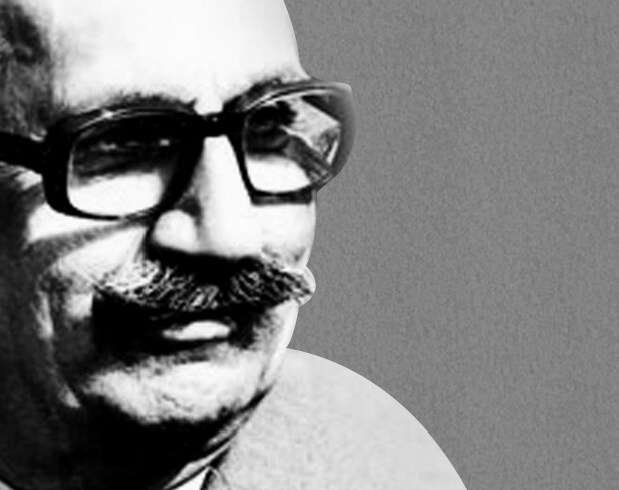

Chaudhary Raghvendra Singh was an Indian entrepreneur, former civil servant and the founder of DLF (Delhi Land and Finance), one of India’s largest real estate companies. He is remembered for his contribution to the development of modern Delhi and for establishing the foundations of India’s organised real estate industry. His vision of developing planned residential colonies helped change the urban landscape of Delhi during the years following India’s independence.
The story of Chaudhary Raghvendra Singh is closely connected with the history of DLF and the development of several prominent residential areas in Delhi. His business decisions and understanding of the country’s changing housing requirements helped establish a real estate company that would eventually become one of the biggest names in India’s property market.
Who Was Chaudhary Raghvendra Singh?
Chaudhary Raghvendra Singh was born on 19 September 1910 in Fazilka, in the Ferozepur district of Punjab, which was part of British India at the time. He belonged to a well-established agricultural family and received his education at St. Stephen’s College in Delhi.
After completing his graduation, he studied law and qualified at a young age. In 1935, he joined the Punjab Civil Service and began his professional career in government administration.
His early career demonstrated his interest in public service, administration and social welfare. During the Second World War, he played an important role in recruiting Indian officers into the services and supporting military personnel and their families.
His contribution during the war was recognised through his promotion to the rank of Major and the award of the MBE (Member of the Order of the British Empire).
Following the war, he also became associated with the Punjab Post War Reconstruction Fund. His experiences in administration and public service later influenced his approach to business and urban development.
The Foundation of DLF in 1946
One of the most important achievements of Chaudhary Raghvendra Singh was establishing Delhi Land and Finance Limited, popularly known as DLF, in 1946.
At that time, Delhi was experiencing significant changes in its population and housing requirements. The upcoming Partition of India was expected to bring large numbers of people from Punjab and other regions into the capital.
Recognising the growing demand for residential accommodation, Raghvendra Singh identified an opportunity to develop planned residential communities.
He established DLF with the objective of creating organised residential colonies with better infrastructure and modern facilities.
The company initially focused on developing residential areas in Delhi. Its early projects included Model Town and other planned residential developments.
DLF gradually became associated with the development of prominent neighbourhoods, including South Extension, Greater Kailash, Hauz Khas and Kailash Colony.
These developments helped establish the company’s reputation in the real estate sector.
Chaudhary Raghvendra Singh’s Contribution to Delhi’s Development
Delhi’s urban development history is closely connected with the work of Chaudhary Raghvendra Singh.
During the years following independence, the capital experienced significant population growth. Thousands of families needed residential accommodation, and the demand for planned housing increased considerably.
Raghvendra Singh recognised that organised residential development could play an important role in addressing these requirements.
Through DLF, he helped introduce planned residential colonies with organised layouts and improved infrastructure.
His approach focused on developing residential communities rather than simply selling individual plots of land.
Several areas developed by DLF became important residential destinations for families, professionals and business communities.
His contribution helped establish the foundation for private-sector participation in organised urban development in Delhi.
Why Did DLF Expand Towards Gurgaon?
The development of DLF’s business took a different direction after government regulations changed the real estate landscape in Delhi.
Following the Delhi Development Act of 1957 and the establishment of the Delhi Development Authority, private real estate development in Delhi became more restricted.
This created challenges for private developers operating in the capital.
DLF subsequently explored opportunities outside Delhi, particularly in Gurgaon, which is now known as Gurugram.
Chaudhary Raghvendra Singh’s son-in-law, Kushal Pal Singh, became an important figure in this next phase of the company’s development.
K.P. Singh played a major role in expanding DLF’s operations in Gurgaon and developing large residential and commercial projects.
Over the following decades, Gurgaon transformed from a relatively small town into one of India’s major business and corporate centres.
DLF’s expansion contributed significantly to this transformation, particularly through the development of residential communities, office spaces and commercial infrastructure.
Relationship Between Chaudhary Raghvendra Singh and K.P. Singh
Chaudhary Raghvendra Singh and K.P. Singh share an important place in the history of DLF.
K.P. Singh married Raghvendra Singh’s daughter, Indira, in 1954 and subsequently became closely associated with the family’s business.
While Raghvendra Singh established DLF and developed its initial residential projects in Delhi, K.P. Singh played a significant role in expanding the company into a major national real estate business.
Under K.P. Singh’s leadership, DLF developed large-scale residential, commercial and infrastructure-related projects in Gurgaon.
This transition helped the company move beyond its original residential development business and establish a major presence in India’s commercial real estate market.
The contributions of both individuals are important to understanding DLF’s history.
Chaudhary Raghvendra Singh’s Contribution to Social Welfare
Apart from his business activities, Chaudhary Raghvendra Singh was also associated with charitable and social welfare initiatives.
His interest in public service continued beyond his government career.
He supported the welfare of former military personnel and their families and was associated with the All India Ex-Servicemen Association as its founding vice-president.
Education and healthcare were also important areas of interest for him.
He established charitable trusts and supported initiatives intended to help underprivileged communities, children and families.
His contribution to social welfare reflected his interest in public service and community development.
What Is the Legacy of Chaudhary Raghvendra Singh?
The legacy of Chaudhary Raghvendra Singh is closely associated with the foundation and early development of DLF.
When he established the company in 1946, India’s real estate industry was still developing. Organised private residential development was not as widespread as it is today.
His decision to focus on planned residential communities helped create a business model that became important in the development of modern urban India.
Today, DLF has a significant presence in residential, commercial and retail real estate.
The company has developed properties in several Indian cities and remains an important participant in the country’s property market.
Although much of DLF’s later expansion is associated with K.P. Singh, its original foundation was established through Raghvendra Singh’s vision and entrepreneurial initiative.
His life also demonstrates how experience in public administration, leadership and an understanding of social requirements can contribute to successful business development.
When Did Chaudhary Raghvendra Singh Die?
Chaudhary Raghvendra Singh passed away on 13 June 2000 at the age of 89.
His death marked the end of a significant chapter in the history of DLF. However, the company he established continued to expand under the leadership of subsequent generations.
His contribution remains part of the history of Delhi’s urban development and India’s real estate industry.
Conclusion
Chaudhary Raghvendra Singh was an important figure in India’s business and real estate history. From his early career in the Punjab Civil Service to establishing DLF in 1946, his professional journey involved public service, military welfare and entrepreneurship.
His vision of creating organised residential communities helped shape the development of several prominent neighbourhoods in Delhi. The company he founded eventually became one of India’s leading real estate organisations.
His association with K.P. Singh also connects the early history of DLF with the remarkable development of Gurgaon as a major residential, commercial and corporate destination.
Today, Chaudhary Raghvendra Singh is remembered as the founder of DLF and one of the individuals who helped lay the foundations of India’s modern real estate industry.