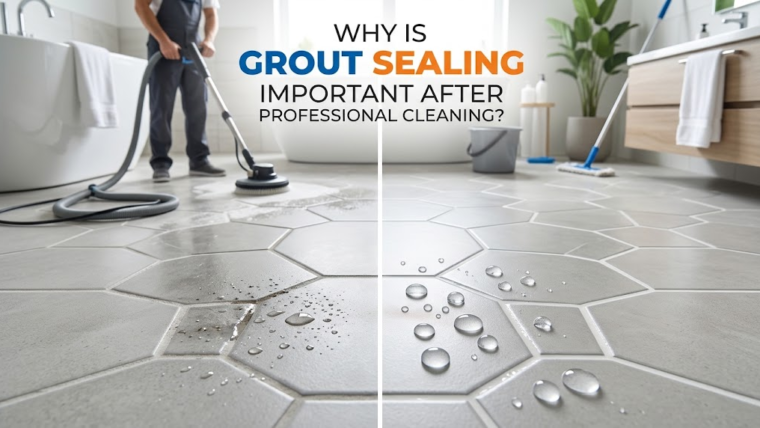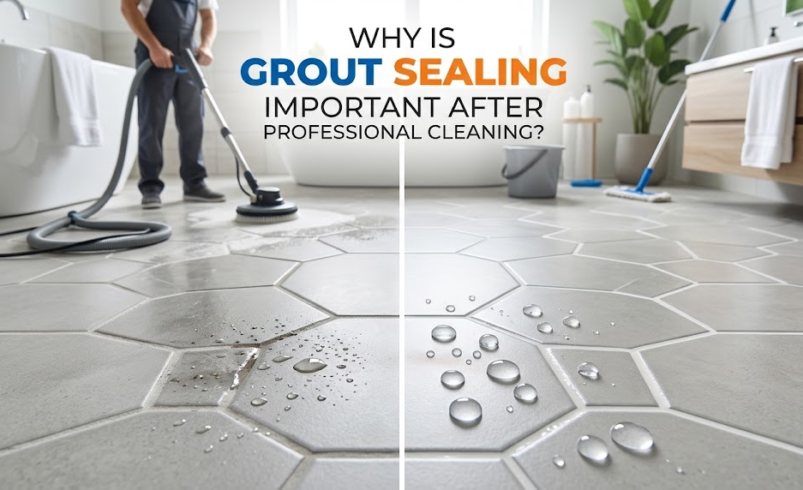

Tile floors are a popular choice for kitchens, bathrooms, hallways, and other high-traffic areas because they are durable, attractive, and relatively easy to maintain. However, while tiles often retain their appearance for years, the grout between them can become dirty, stained, and discolored over time. Regular mopping and household cleaners may remove some surface dirt, but they cannot always reach the buildup trapped inside porous grout lines. This is one reason professional tile and grout cleaning can make such a noticeable difference.
After investing in professional cleaning, many homeowners wonder whether grout sealing is really necessary. The answer is generally yes, especially for cement-based grout. Just as homeowners may look for reliable cleaning solutions from professionals such as Couch Cleaners San Diego to maintain their upholstered furniture, protecting tile surfaces also requires the right cleaning and maintenance approach. Grout sealing adds an important layer of protection that helps preserve the results of professional cleaning and makes everyday maintenance easier.
But what exactly does grout sealing do, and why should you consider it after cleaning? Understanding its benefits can help you make better decisions about maintaining your floors and protecting your investment.
What Is Grout Sealing?
Grout sealing is the process of applying a protective product to grout lines between tiles. Most traditional cement-based grout is porous, meaning it contains tiny openings that can absorb water, oils, dirt, and other substances.
Without proper protection, these materials can gradually penetrate the grout and cause discoloration, unpleasant odors, and stubborn stains.
A grout sealer works by reducing the amount of moisture and contaminants that can enter the grout. It does not make grout completely waterproof in every situation, but it helps create a barrier that slows absorption and makes routine cleaning more effective.
There are different types of grout sealers, including:
1. Penetrating Grout Sealers
Penetrating sealers absorb into the grout rather than creating a thick coating on the surface. They help protect the material while generally maintaining its natural appearance.
These are commonly used for cement-based grout in kitchens, bathrooms, and other areas exposed to moisture and regular foot traffic.
2. Surface or Membrane-Forming Sealers
These products create a protective layer on the grout surface. Depending on the formulation, they may offer additional resistance to certain stains and moisture.
However, they are not suitable for every tile or grout installation. Choosing the right product is important to avoid problems such as peeling, residue, or an unwanted appearance.
7 Important Reasons to Seal Grout After Professional Cleaning
Professional cleaning removes accumulated dirt and contaminants from grout lines. Sealing afterward helps protect the clean surface and maintain its appearance.
Here are seven important reasons why this additional step is worth considering.
1. Helps Prevent Future Stains
One of the biggest advantages of grout sealing is its ability to reduce staining.
Because unsealed cement-based grout is porous, everyday spills can quickly become difficult to remove. Coffee, cooking oil, sauces, juice, and other household substances may penetrate the surface and leave visible marks.
For example, imagine spilling tomato sauce on a kitchen floor. If the grout is unsealed, the liquid may soak into the grout lines before you have a chance to clean it properly.
A suitable sealer slows down absorption, giving you more time to wipe away spills before they cause permanent discoloration.
This does not mean sealed grout cannot stain. However, it generally becomes easier to clean and maintain.
2. Protects Grout From Moisture Absorption
Bathrooms, laundry rooms, and kitchens experience frequent moisture exposure. Water from showers, sinks, spills, and wet footwear can repeatedly come into contact with grout.
When cement-based grout absorbs excessive moisture, it may become more difficult to maintain and can develop discoloration or other moisture-related problems.
Grout sealing helps reduce this absorption, making it a useful protective measure in areas that regularly encounter water.
It is important to understand that grout sealer is not a replacement for proper waterproofing. If your shower or bathroom has waterproofing problems, applying sealer alone will not prevent leaks or structural water damage.
3. Makes Routine Cleaning Easier
Nobody wants to spend hours scrubbing grout lines just to keep tile floors looking presentable.
Unsealed grout tends to hold onto dirt and grime. Over time, this buildup can make ordinary mopping less effective.
After professional cleaning and appropriate sealing, dirt is less likely to penetrate the grout. As a result, regular maintenance often becomes simpler.
You can usually maintain sealed grout with:
- A microfiber mop or soft cleaning cloth.
- A pH-neutral tile cleaner.
- Clean water for rinsing when necessary.
- Prompt attention to spills and stains.
- Regular sweeping or vacuuming to remove loose dirt.
The key is to use cleaning products suitable for your specific tile and grout material.
4. Helps Preserve the Appearance of Tile Floors
Even beautiful tiles can look unattractive when the grout between them becomes dark, patchy, or stained.
Grout lines create a visual pattern across the floor, so their condition has a noticeable effect on the overall appearance of a room.
Professional cleaning can restore much of the grout’s original appearance by removing embedded dirt and residue. Applying an appropriate sealer afterward helps maintain those results.
This is particularly useful in kitchens, entryways, bathrooms, and living areas where floors receive frequent use.
Clean, well-maintained grout can make an entire room look brighter and more inviting.
5. Reduces the Impact of Everyday Dirt and Spills
Foot traffic brings dust, soil, oils, and other contaminants into the home. These particles can settle into grout lines, particularly near entrances and frequently used walkways.
Over time, this accumulation can make grout appear darker than the surrounding tiles.
A quality sealer reduces the grout’s ability to absorb many common contaminants. This makes it easier to remove everyday dirt before it becomes deeply embedded.
Although regular cleaning is still necessary, sealing provides an additional layer of protection against the challenges of daily household activity.
6. Helps Extend the Life of Grout
Replacing damaged or heavily stained grout can be time-consuming and expensive.
While grout sealing cannot prevent every form of wear or damage, it can help protect cement-based grout from certain contaminants and moisture-related deterioration.
By reducing the absorption of substances that contribute to staining and difficult cleaning, sealing supports better long-term maintenance.
It is especially helpful in busy households where tile floors experience frequent use.
However, if grout is already cracked, loose, crumbling, or separating from tiles, repairs may be needed before sealing. A protective product cannot fix existing structural problems.
7. Helps Maintain the Results of Professional Cleaning
Professional tile and grout cleaning is designed to remove stubborn dirt that ordinary household cleaning may leave behind.
However, freshly cleaned grout remains exposed to future spills, dust, moisture, and foot traffic.
Without sealing, the grout may gradually absorb new contaminants and lose its refreshed appearance.
Applying a suitable sealer after professional cleaning helps protect the results and makes ongoing maintenance more manageable.
Think of professional cleaning as restoring the surface and grout sealing as helping protect that restored condition.
Why Should Grout Be Sealed Immediately After Professional Cleaning?
Timing plays an important role in achieving good sealing results.
After professional cleaning, grout needs to dry properly before the sealer is applied. Applying sealer while grout is still damp can interfere with proper penetration or curing, depending on the product.
Professional cleaners typically follow a process that includes:
- Initial inspection: The tile and grout are examined to identify stains, damage, and the type of material.
- Deep cleaning: Appropriate cleaning solutions and equipment are used to remove accumulated dirt and residue.
- Rinsing: Remaining cleaning products and loosened contaminants are removed.
- Drying: The grout is allowed to dry according to the sealer manufacturer’s requirements.
- Sealer application: A suitable protective product is applied evenly.
- Final inspection: Excess product is removed where necessary, and the surface is checked for proper coverage.
Following these steps helps prevent sealing over dirt, moisture, or cleaning residue.
The exact drying and curing times depend on the grout, environmental conditions, and product instructions.
Which Types of Grout Need Sealing?
Not every grout material requires the same treatment. Understanding the differences can help you avoid unnecessary applications or unsuitable products.
Cement-Based Grout
Traditional cement-based grout is porous and generally benefits from sealing.
Both sanded and unsanded cement-based grout may require protection, depending on the manufacturer’s recommendations.
This type of grout is commonly found in residential kitchens, bathrooms, and other tiled spaces.
Epoxy Grout
Epoxy grout is generally nonporous and highly resistant to moisture and many stains.
Unlike traditional cement-based grout, it usually does not require a conventional penetrating grout sealer.
Applying an unsuitable product may leave unwanted residue without providing meaningful benefits.
Other Specialty Grouts
Some installations use specialty grout products with specific maintenance requirements. Always check the manufacturer’s recommendations before applying a sealer.
If you are unsure about your grout type, a professional can help identify the material and recommend an appropriate treatment.
Signs Your Grout May Need Sealing
If you are unsure whether your grout needs protection, look for these common signs:
- Water quickly darkens the grout when it comes into contact with the surface.
- Grout lines become stained easily after minor spills.
- Dirt seems to collect between tiles despite regular cleaning.
- Previously cleaned grout becomes discolored again quickly.
- The floor looks dirty even when the tiles themselves appear clean.
One simple observation is the water-drop test. Place a small drop of water on clean, dry cement-based grout and observe what happens. If the water quickly absorbs and darkens the grout, it may indicate that the grout is porous or that its existing sealer has worn away.
However, this test is not definitive. Some grout materials naturally absorb water, and the result alone cannot establish whether a particular sealer is required.
Common Grout Sealing Mistakes to Avoid
Although grout sealing offers several benefits, applying the product incorrectly can reduce its effectiveness.
Here are some mistakes homeowners should avoid.
Sealing Dirty Grout
One of the biggest mistakes is applying sealer without properly cleaning the grout first.
The product may trap dirt and discoloration beneath the protective layer, leaving the grout looking unattractive.
Always begin with thoroughly cleaned grout.
Applying Sealer Before the Grout Is Dry
Moisture can interfere with sealer absorption and performance.
Allow the grout to dry for the period recommended by the cleaning professional and sealer manufacturer.
Using the Wrong Sealer
Different grout materials require different treatments. A product designed for cement-based grout may not be appropriate for epoxy grout or certain specialty surfaces.
Check product compatibility before application.
Applying Too Much Product
More sealer does not necessarily mean better protection.
Excess product may leave a cloudy film or sticky residue on tiles. Follow the manufacturer’s application instructions and remove excess sealer when required.
Ignoring Regular Maintenance
Sealing does not eliminate the need for cleaning.
Dust, spills, and household grime will continue to accumulate. Regular maintenance is essential to preserve the appearance of both tiles and grout.
How Often Should Grout Be Sealed?
There is no universal schedule for grout sealing because different homes experience different levels of use.
The frequency depends on several factors:
- Foot traffic: Busy areas may experience faster wear and require more frequent attention.
- Moisture exposure: Bathrooms and kitchens often need closer monitoring.
- Cleaning habits: Harsh chemicals and unsuitable cleaning products may affect some sealers.
- Sealer quality: Different products offer different levels of protection and durability.
- Grout condition: Older or heavily used grout may need additional maintenance.
Some products may provide protection for several years, while others require more frequent reapplication.
Rather than following a fixed schedule, inspect your grout periodically and follow the manufacturer’s recommendations. A professional assessment can also help determine whether resealing is necessary.
Simple Tips to Keep Sealed Grout Looking Clean
Once your grout has been professionally cleaned and sealed, a few simple habits can help maintain its appearance.
- Clean spills quickly. Wipe away coffee, sauces, oils, and other liquids before they have time to sit on the surface.
- Sweep regularly. Removing loose dust and dirt prevents particles from collecting in grout lines.
- Use suitable cleaning products. Choose a pH-neutral cleaner that is compatible with your tile, grout, and sealer.
- Avoid harsh scrubbing tools. Abrasive brushes and unsuitable chemicals may damage certain surfaces or affect the protective treatment.
- Keep bathrooms ventilated. Proper ventilation helps reduce excessive humidity and supports a healthier indoor environment.
- Check grout periodically. Look for cracks, missing sections, discoloration, and signs of moisture problems.
- Follow professional recommendations. Ask your cleaning professional which maintenance products and methods are suitable for your particular flooring.
These small steps can make a significant difference in how your tiled surfaces look over time.
Conclusion
Grout sealing is an important part of maintaining clean, attractive, and well-protected tile surfaces after professional cleaning. It helps reduce staining, limits moisture absorption, makes routine cleaning easier, and protects porous grout from many everyday contaminants. Although sealing does not eliminate the need for regular maintenance or replace proper waterproofing, it can help preserve the results of professional cleaning for longer.
The best approach is to have your grout inspected, cleaned thoroughly, allowed to dry, and treated with a compatible sealer when appropriate. Whether you are maintaining kitchen floors, bathroom tiles, or other frequently used surfaces, taking these extra steps can help protect your investment. For homeowners looking to maintain a cleaner and more comfortable living environment, Coastal Carpet Care understands the importance of professional cleaning and proper surface care. With the right maintenance routine and professional guidance, you can keep your home’s surfaces looking fresh, clean, and inviting for years to come.