
How to Decide What Matters Most in an Engagement Ring
Choosing an engagement ring is a personal decision, especially when you have a budget to follow. You may want a beautiful center stone, a strong setting, or a design that feels different from the rings you see everywhere. The challenge is deciding which features deserve the most attention without spending money on details you do not really need.
When shopping for diamond engagement rings under $1000, start by thinking about your daily routine, preferred style, and expectations for the ring. A larger diamond might catch your attention, but a comfortable band and secure setting may matter more over time. Knowing your priorities makes it easier to compare options and avoid paying extra for features that do not suit you.
Choose a Diamond Shape That Fits Your Taste
The diamond shape has a major effect on the overall appearance of an engagement ring. Before comparing carat weights or prices, consider which shape you would enjoy wearing every day.
Compare Popular Diamond Shapes
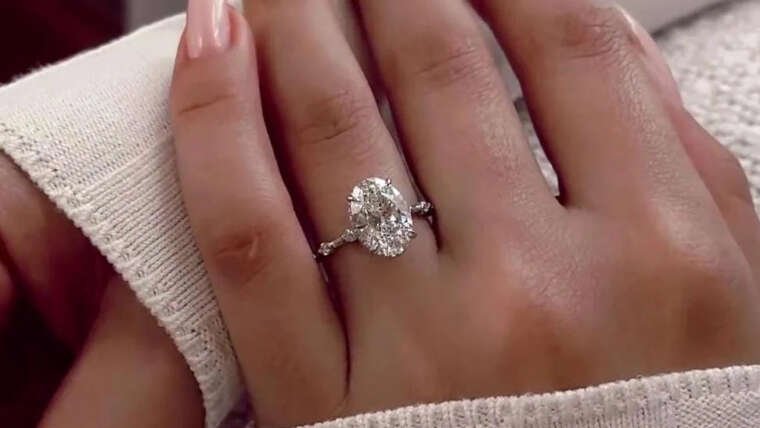
Round diamonds are a familiar choice because of their balanced appearance. Oval diamonds can create an elongated look on the finger, while pear-shaped stones offer a pointed end and a curved outline. Princess-cut diamonds have a square shape, and emerald-cut diamonds feature long, straight facets.
Each shape has its own character, so there is no single best option for everyone. Look at different shapes on a hand, if possible, rather than relying only on product photographs.
Consider Appearance Along With Size
Carat weight measures a diamond’s weight, not its exact face-up size. Different shapes can appear larger or smaller at the same carat weight because their proportions vary. If you want a noticeable center stone, compare the diamond’s measurements as well as its carat weight.
This small step can help you find a ring that matches your expectations without stretching your budget.
Understand Which Diamond Quality Features Matter
Diamond quality can feel confusing when you first begin shopping. You may see several grades and technical terms, but you do not need to understand every detail before making a sensible choice.
Balance Cut, Color, and Clarity
Cut affects how well a diamond handles light, so it deserves careful attention. Color describes how much color is visible in a diamond, while clarity refers to internal characteristics and surface marks.
A higher grade does not always mean you will notice a clear difference with the naked eye. Compare actual stones and available grading information instead of automatically choosing the highest grade in every category.
Consider Lab-Grown Diamonds
Lab-grown diamonds have essentially the same chemical, physical, and optical properties as mined diamonds. They are created using controlled processes rather than being formed naturally underground. Their pricing can make them worth considering when you want to balance center-stone size and other ring features within a fixed budget.
Check whether the listing clearly identifies the stone type and includes a grading report when applicable. These details help you understand exactly what you are buying.
Select a Setting That Matches Your Daily Routine
The setting holds the center stone in place and affects both the ring’s appearance and practicality. A design may look attractive in a photograph but feel inconvenient if it catches on clothing or sits too high for your daily activities.
Prong, Bezel, and Halo Settings
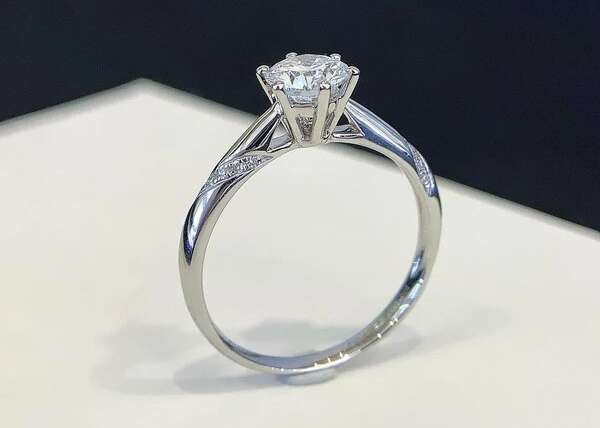
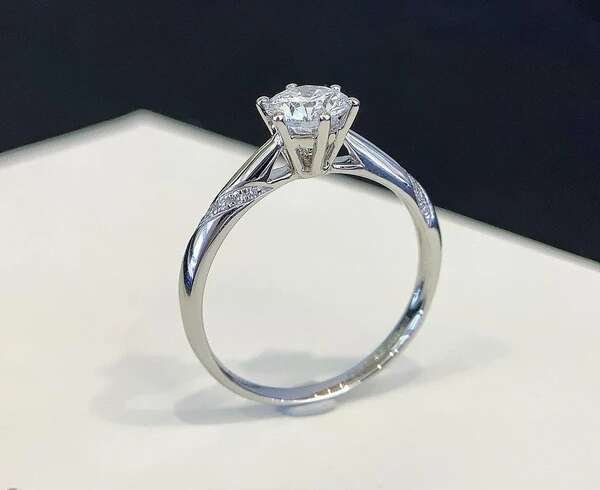
Prong settings use small metal tips to hold the diamond, allowing much of the stone to remain visible. Bezel settings surround the diamond’s edge with metal and can provide additional protection around the sides. Halo settings place smaller stones around the center diamond, creating a fuller appearance.
Think about your routine before choosing. If you work with your hands frequently, you may prefer a lower profile or a setting with fewer exposed edges. Ask about the security of the stone and the care required for the design.
Check the Band and Side Details
A plain band can keep the focus on the center diamond and may be easier to maintain. Pavé bands feature small stones along the metal, while side-stone designs add diamonds beside the main stone.
Extra details can make a ring feel special, but they may also require more cleaning and occasional maintenance. Choose them because you genuinely like them, not simply because they are included in a product description.
Find a Metal That Suits Your Lifestyle
The metal affects the ring’s color, maintenance, and long-term wear. Common options include yellow gold, white gold, and rose gold. Platinum is another choice, although its price may make it harder to fit into some budgets.
Gold purity matters, too. Fourteen-karat gold contains a different proportion of pure gold than eighteen-karat gold, and the alloys influence the metal’s properties. White gold may also require periodic rhodium plating to maintain its bright white finish.
Think about the jewelry you already wear. If you prefer yellow gold necklaces or bracelets, a matching ring may feel more natural. Also check the band’s width and thickness so it feels comfortable rather than too heavy or too delicate.
How to Compare Rings Without Going Over Budget
A clear spending plan can make the buying process less stressful. Instead of focusing only on the center diamond, compare the complete ring, including the metal, setting, additional stones, and any customization charges.
Use this checklist when reviewing your options:
- Set a firm limit: Decide how much you can comfortably spend before browsing.
- Compare the full price: Check whether taxes, shipping, resizing, or other charges are included.
- Review the specifications: Confirm the diamond shape, carat weight, metal type, and setting details.
- Check certification information: Look for grading documentation when offered and verify what it covers.
- Read the policies: Understand the return window, warranty terms, resizing options, and maintenance support.
- Inspect the images: Review close-up photographs and different viewing angles when available.
For shoppers comparing Explore Products for unique engagement rings under $1000, these checks can make it easier to narrow down designs based on actual needs. You can also browse Antiquecut to compare available ring styles and specifications before making a decision.
Do Not Overlook Comfort and Future Care
An engagement ring should feel good on your hand, not just look attractive when you first try it on. Ring size, band width, setting height, and the shape of the inner band can all affect comfort.
If possible, confirm your ring size with a professional jeweler. Remember that finger size can change slightly with temperature and other everyday conditions. Before ordering online, check the seller’s sizing guidance and whether resizing is available for your chosen design.
Regular care also matters. Remove the ring when an activity could expose it to a hard impact or harsh chemicals, and clean it according to the metal and stone care instructions. Periodic professional checks can help identify loose stones or worn settings before they become bigger problems.
Make Your Final Choice With Confidence
The best ring for your budget is not necessarily the one with the biggest diamond or the most decorative setting. It is the one that fits your preferences, feels comfortable, and offers the features you value most.
Start with the diamond shape, decide which quality factors matter to you, and select a setting and metal that suit your daily life. Compare the complete cost and read the policies before placing your order. With a little planning, you can find a meaningful engagement ring under $1000 without feeling that you have to compromise on every detail.
Your budget is simply a guide for making thoughtful choices. Focus on the features that matter to you and choose a ring you will be happy to wear and care for over the years.