
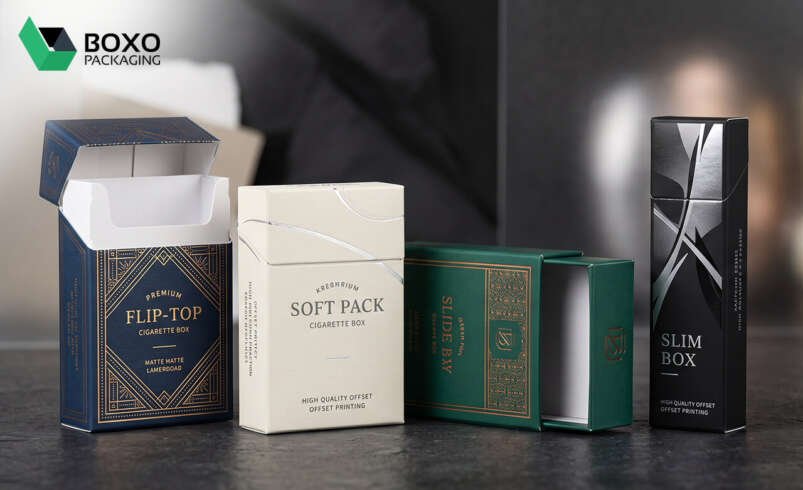

Packaging does more than hold a product. It creates the first physical interaction between a brand and its audience. Well-planned cigarette boxes packaging can protect individual units, organize contents neatly, and establish a recognizable appearance. Material selection, structural strength, printing quality, and finishing choices all contribute to the final presentation.
A suitable box should maintain its shape during handling while offering enough rigidity for storage and transportation. Folding cartons, rigid constructions, and recyclable paperboard can each serve different production requirements. The right format depends on dimensions, quantity, distribution conditions, and desired shelf presence.
Materials That Support Reliable Construction
Paperboard remains a practical option because it combines flexibility with dependable strength. Different grades can be selected according to the required thickness and finish. A smooth surface also provides an effective foundation for artwork, typography, regulatory information, and brand elements.
For premium positioning, heavier stock and specialty finishes can create a refined appearance. Matte coatings offer a soft visual effect, while gloss treatments provide stronger shine. Embossing, foil accents, and spot finishes may further distinguish the exterior without changing the basic structure.
When selecting materials, manufacturers commonly consider:
- Board thickness and overall rigidity
- Surface quality for detailed printing
- Folding performance during production
- Storage and transportation requirements
- Recyclability and material efficiency
Design Features That Strengthen Shelf Presence
A memorable package usually combines clarity with consistency. Typography should remain readable, while graphics should complement the overall identity instead of overwhelming the layout. Balanced spacing helps important information stand out and creates a cleaner visual hierarchy.
Structural design also deserves attention. Tuck-end styles, straight-line constructions, and custom die-cut formats can provide different opening experiences. Internal dimensions should be carefully measured so contents remain properly positioned without unnecessary movement.
Color selection can influence perception as well. Darker palettes may suggest sophistication, whereas lighter tones can communicate simplicity. Metallic details often create a premium impression when used selectively.
Printing Options for Distinctive Branding
Modern printing techniques make it possible to create highly detailed artwork across relatively compact surfaces. Offset printing is suitable for sharp graphics and consistent color reproduction, while digital production can be useful for shorter runs or variable artwork.
Custom artwork may include logos, patterns, illustrations, product information, and other required details. Finishing techniques such as UV coating, lamination, embossing, and debossing can add texture or contrast.
At Boxo Packaging, thoughtful structural planning and customized finishing options can help businesses develop packaging aligned with their visual identity and functional requirements.
Why Presentation Matters for Retail Packaging?
A well-designed carton can improve recognition when displayed beside competing products. Consistent typography, distinctive graphics, and a polished finish help establish a cohesive brand image. Protection is equally important because crushed corners, scuffed surfaces, or weak folds can reduce perceived quality.
Packaging should therefore be considered as part of the broader customer experience. From the first glance on a retail shelf to the moment the package is handled, every detail contributes to perception.
Practical Considerations Before Production
Before placing an order, businesses should finalize dimensions, board specifications, artwork, finishing preferences, and required quantities. A physical prototype or sample can reveal structural issues that may not be obvious on a digital design.
Production planning should also account for storage space, shipping conditions, and expected handling. Accurate measurements reduce material waste and help ensure the finished format performs as intended.
Boxo Packaging can support customized packaging concepts by combining structural choices, printing techniques, and finishing details into a cohesive presentation.
A More Refined Packaging Approach
Effective packaging brings together durability, usability, visual identity, and production practicality. Instead of relying solely on decorative elements, brands can create stronger results by coordinating construction with artwork and finishing. Careful planning helps produce a professional package that remains functional throughout handling, storage, and retail presentation.
Cardboard Packaging: Practical Protection with Modern Style
Cardboard Packaging plays an important role in keeping merchandise secure while creating a positive presentation. Strong board construction can help shield products from dust, scratches, moisture exposure, and everyday handling. At the same time, a thoughtfully designed carton gives businesses an opportunity to communicate their identity through colors, graphics, typography, and finishing details.
Different industries require different structural solutions. Food items, cosmetics, electronics, apparel, retail goods, and promotional products may each need specific dimensions and configurations. Choosing an appropriate board grade ensures the finished package provides suitable support without adding unnecessary material.
Choosing the Right Board for Your Product
The foundation of any carton is its material. Paperboard and corrugated sheets are commonly selected according to the weight, fragility, and shipping conditions associated with an item. Lightweight stock works well for simple retail containers, whereas thicker constructions offer additional strength for heavier merchandise.
Surface quality also affects the final appearance. A smooth exterior supports detailed artwork and crisp lettering, making it easier to achieve a professional result. Businesses seeking sustainable solutions can consider recyclable fibers and efficient structures that reduce unnecessary material consumption.
Important factors to review before production include:
- Product dimensions and overall weight
- Required structural strength
- Printing and finishing preferences
- Storage and transportation conditions
- Material efficiency and recyclability
Creative Structures for Better Customer Experience
A package can become more useful when its shape is designed around the product. Tuck-end cartons provide convenient opening and closing, while sleeve-style formats create an attractive outer layer. Die-cut constructions can accommodate unusual shapes or introduce distinctive visual elements.
Custom inserts may also prevent movement inside the container. This is especially helpful when merchandise requires extra stability during delivery. Thoughtful engineering can reduce empty space, improve stacking, and make handling easier.
Opening experience matters as well. A clean fold, secure closure, and properly aligned panels can make a package feel more refined. These seemingly small details often influence how customers perceive product quality.
Printing Techniques That Elevate Brand Identity
Graphics transform a plain carton into a recognizable marketing asset. Offset printing is suitable for detailed artwork and consistent color reproduction, while digital printing can provide flexibility for smaller production quantities or changing designs.
Businesses can incorporate logos, illustrations, patterns, product information, and promotional messaging into the artwork. Additional treatments may include matte coating, gloss coating, embossing, debossing, foil accents, or spot UV.
Boxo Packaging helps businesses explore customized structural and visual options that support both practical requirements and brand presentation.
Sustainability Without Sacrificing Appearance
Environmental considerations have become increasingly important when selecting packaging materials. Efficient construction can reduce excess board usage, while recyclable paper-based components may offer a more responsible alternative to certain non-recyclable formats.
Sustainable design does not have to appear basic. Natural textures, minimal artwork, muted finishes, and clean typography can produce an elegant appearance while supporting material-conscious goals.
Businesses can also evaluate whether the package is easy for customers to flatten, reuse, or place into appropriate recycling streams. Clear material choices can contribute to a more thoughtful overall experience.
Where Custom Cartons Add Value?
Retailers often need containers that protect merchandise while standing out among competing products. E-commerce businesses may prioritize durability during shipping, whereas luxury brands might emphasize texture and premium finishing.
A well-planned format can serve multiple purposes simultaneously: product protection, information delivery, visual recognition, and promotional communication. This makes packaging an important part of a broader branding strategy rather than simply a protective covering.
Building a Better Packaging Strategy
Successful packaging begins with understanding the product, audience, distribution environment, and desired presentation. Accurate measurements should be established before artwork is finalized, and prototypes can help identify structural concerns early.
Businesses should also consider how the finished package will be stored, displayed, transported, and opened. Combining functional engineering with attractive graphics creates a balanced solution that feels purposeful from every angle.
Boxo Packaging offers customizable approaches for businesses seeking practical construction, polished presentation, and distinctive finishing choices. A carefully developed carton can strengthen product protection while helping a brand create a memorable customer experience.