


Teeth grinding, also known as bruxism, is a common concern that can affect sleep, jaw comfort, teeth, and overall oral health. Many people grind or clench their teeth without realizing it, particularly while sleeping. Over time, repeated pressure can contribute to tooth wear, sensitivity, jaw soreness, headaches, and other uncomfortable symptoms. Fortunately, there are practical ways to reduce the effects of grinding and protect the teeth.
For people looking for a teeth grinding solution at home, the goal is often to create a comfortable nighttime routine while reducing habits and conditions that may contribute to clenching. A properly designed bruxism mouth guard custom fit to the individual’s teeth can also provide an important layer of protection. Understanding the causes of bruxism and the available approaches can help people make informed choices about protecting their smiles.
Understanding Teeth Grinding
Bruxism refers to repeated clenching, grinding, or pressing of the teeth. It can happen during the day or while sleeping. Daytime grinding may be connected with concentration, stress, or habits such as keeping the teeth tightly together. Sleep-related grinding can happen without conscious awareness, meaning a person may only notice the effects after waking.
Common signs include morning jaw stiffness, headaches around the temples, worn tooth surfaces, chipped teeth, increased sensitivity, or soreness around the jaw. Some people may also notice clicking or tiredness in the jaw after a night of sleep.
Because symptoms can develop gradually, addressing grinding early can be helpful. A teeth grinding solution at home may involve several simple changes that support relaxation and reduce unnecessary pressure on the teeth.
Creating a Relaxing Bedtime Routine
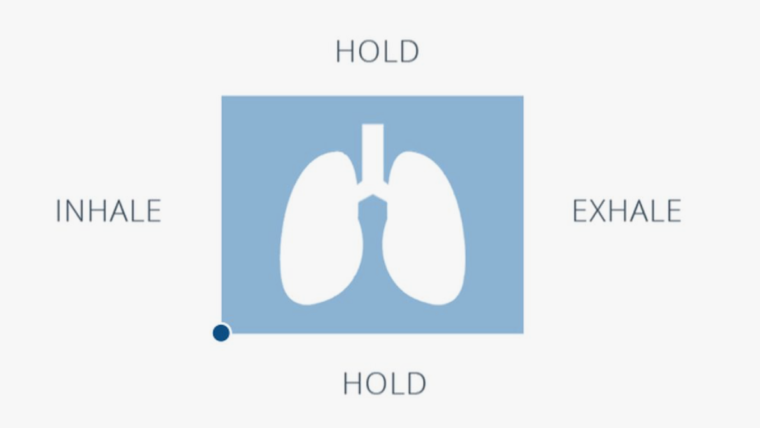
One useful approach is establishing a consistent routine before going to sleep. The body and mind can benefit from predictable signals that it is time to relax. Reading, gentle stretching, quiet breathing exercises, or listening to calming audio can help create a peaceful transition into bedtime.
It can also be helpful to avoid stimulating activities immediately before sleep. Spending less time on stressful work or intense screen activity at bedtime may make it easier to settle down.
Relaxation does not necessarily eliminate bruxism, but it can become one part of a broader strategy for managing nighttime clenching.
Paying Attention to Daytime Clenching
Not all teeth grinding happens during sleep. Some people unconsciously clench their teeth while working, driving, exercising, or concentrating. Becoming aware of this habit can make it easier to change.
During the day, try to keep the jaw relaxed rather than constantly pressing the upper and lower teeth together. The lips can remain comfortably closed while the teeth are not actively clenched. Setting occasional reminders can help someone recognize when they are holding tension in their jaw.
This simple awareness can complement other measures designed to reduce the effects of bruxism.
Why a Custom-Fit Mouth Guard Can Help
A mouth guard can provide a physical barrier between the upper and lower teeth. Rather than allowing the teeth to repeatedly contact each other directly, a properly designed guard can help protect their surfaces from excessive grinding.
A bruxism mouth guard custom fit for an individual’s mouth can offer a more personalized fit than a generic product. Since everyone’s teeth and bite are different, a guard designed around the individual’s dental structure can be more comfortable and stable when worn as directed.
Comfort is particularly important for nighttime use. A mouth guard that feels bulky, shifts around, or creates uncomfortable pressure may be difficult to wear consistently. A well-fitting design can make nighttime protection more manageable.
Choosing the Right Mouth Guard
Mouth guards are available in different styles and materials. Some are designed for sports, while others are specifically intended for nighttime teeth grinding. These products should not automatically be treated as interchangeable.
A grinding guard should be selected according to the individual’s needs, bite, and dental situation. People with extensive tooth wear, dental restorations, jaw discomfort, or other oral concerns may benefit from professional guidance when choosing a suitable option.
The purpose is not simply to place something over the teeth. The fit, thickness, material, and overall design can all affect comfort and function.
Caring for Your Mouth Guard
Proper care can help keep a mouth guard clean and comfortable. After use, it should generally be cleaned according to the manufacturer’s instructions and allowed to dry properly before storage. Keeping it in a suitable protective case can help prevent contamination and physical damage.
Regularly inspect the guard for changes in shape, cracks, rough areas, or significant wear. Grinding can place considerable stress on a mouth guard, so replacing a worn or damaged appliance may be necessary.
A clean and properly maintained guard is more pleasant to use and can make it easier to maintain a consistent nighttime routine.
Lifestyle Habits That May Support Better Sleep
Daily habits can also play a role in nighttime comfort. Maintaining a regular sleep schedule, staying physically active, and creating a comfortable sleeping environment can support healthier sleep patterns.
Some people also find it useful to monitor substances that may interfere with relaxation or sleep. If you notice that certain beverages, foods, or habits seem to coincide with increased grinding, discussing those observations with a qualified healthcare professional can be worthwhile.
These lifestyle steps should be viewed as supportive measures rather than guaranteed cures for bruxism.
When to Seek Professional Advice
Home strategies can be useful, but persistent or severe grinding deserves attention. If you regularly experience jaw pain, tooth sensitivity, damaged teeth, facial discomfort, morning headaches, or significant tooth wear, consider speaking with a dental professional.
A dental examination can help identify signs of grinding and determine whether a protective appliance may be appropriate. A professional can also evaluate existing dental work and other factors that may affect the choice of mouth guard.
A bruxism mouth guard custom fit to your dental structure may be particularly useful when standard options are uncomfortable or do not provide the desired fit.
Combining Protection With Healthy Habits
There is rarely one solution that works identically for everyone. A comprehensive approach can combine nighttime protection with relaxation, daytime awareness, good oral hygiene, and professional guidance when needed.
For someone searching for a teeth grinding solution at home, beginning with a calm bedtime routine and greater awareness of daytime clenching can be practical steps. Adding an appropriately designed mouth guard can help protect the teeth from direct grinding forces.
The important thing is to focus on both comfort and protection. A mouth guard should fit appropriately, be maintained properly, and be used according to professional recommendations when applicable.
Conclusion
Teeth grinding can gradually affect the teeth and jaw, but taking action early can help reduce its impact. Simple habits such as relaxing the jaw, establishing a consistent bedtime routine, and paying attention to daytime clenching can support better oral comfort.
For people who need additional protection, a bruxism mouth guard custom fit to the individual’s teeth can provide a personalized option for nighttime use. When combined with healthy routines and appropriate dental care, it can become an important part of a broader approach to managing grinding.
Whether you are exploring a teeth grinding solution at home or considering a professionally fitted appliance, the most suitable approach depends on the severity of your grinding, your dental condition, and your comfort needs. Protecting your teeth today can help support a healthier and more comfortable smile over time.