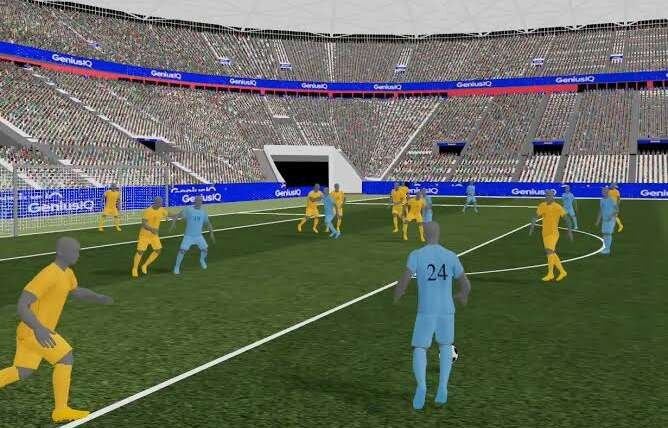

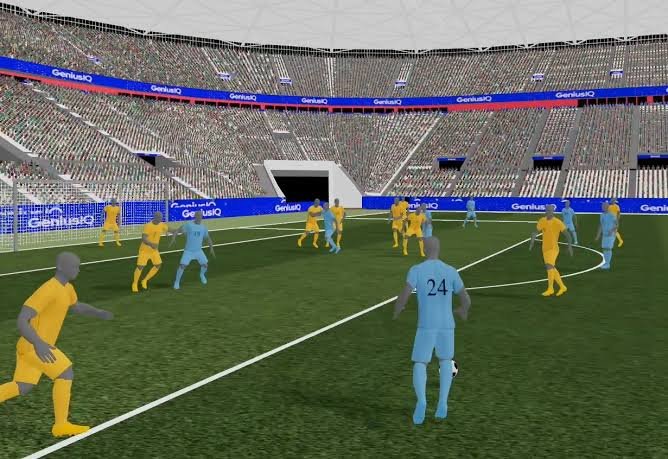

Football broadcasts place many kinds of evidence on the same screen: a replay of contact, a distance graphic, a passing map and an image of a team’s shape. It is tempting to treat them as interchangeable proof. In reality, each helps answer a different question. Understanding that difference makes both tactical discussion and arguments about individual incidents clearer.
Ask what the information describes
A replay shows an action from a particular viewpoint. A movement graphic summarises selected activity over a period. One may help reveal the sequence around a challenge, while another shows where a player spent time. Neither becomes a complete explanation simply because it is presented with precise lines or numbers.
The introduction to wearable technology used by footballers provides background on performance tracking. When discussing any measurement, ask which activity it captures and which details it leaves out. A movement total does not explain every decision a player made while producing it.
Connect measurements with the situation
A player may cover more ground because the team struggled to retain possession. Another may make fewer but better-timed movements that close important passing routes. The numbers become useful when they are connected with roles, instructions and the position of teammates. Without that context, a comparison can reward activity without understanding its purpose.
Video can help supply some of the missing detail, but the camera angle also has limits. A close-up may exclude the supporting runner who influenced a decision. A replay beginning at the final touch may omit the pass that forced the defender to move. Look for the surrounding sequence before deciding what the image establishes.
Distinguish observation from interpretation
People can agree about the visible contact in an incident while disagreeing about its significance. Describing what happened is one step; applying the relevant rule is another. A useful discussion makes that separation clear instead of presenting a strong reaction as though it were an additional camera angle.
The article discussing football refereeing controversies and technology offers related reading on the debate. For any specific incident, check the applicable competition rules and the complete sequence before reaching a conclusion. General commentary cannot establish what happened in a different match.
Choose evidence that matches the claim
If the claim concerns positioning, examine the shape and the available passing routes. If it concerns workload, look for relevant measurements and context. If it concerns an officiating decision, identify the rule and the event being assessed. Keeping those questions separate does not make football discussion less passionate. It makes disagreements easier to understand because everyone can see what evidence would actually support the point being made.