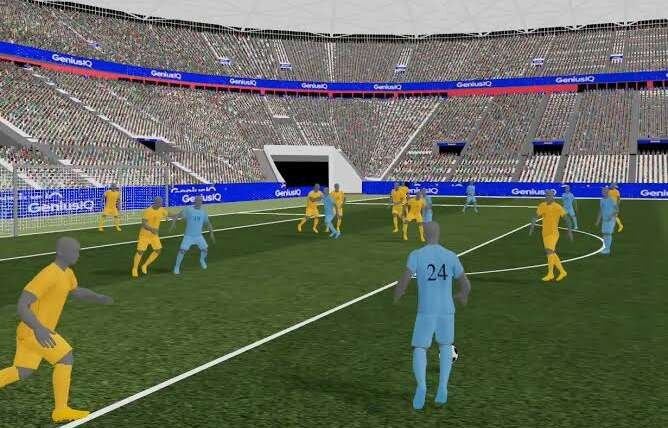



A substitution is often described as attacking or defensive before the replacement has touched the ball. That label can be too simple. A new player may change the team’s passing options, pressing direction or ability to hold possession without altering the formation displayed on television. The useful question is which problem the coach is trying to solve.
Identify the problem before the change
Watch the passages immediately before the substitution. Is the team struggling to move the ball out of defence? Is one opponent repeatedly finding space? Are attacks breaking down because the forward has no nearby support? These patterns provide a more useful starting point than the reputation of the player entering the match.
The score also affects priorities. A team protecting a lead may need someone who can keep the ball rather than another defender. A side chasing a goal may need better delivery before it needs another target in the penalty area. More forwards do not automatically create more useful chances.
Physical demands are part of the picture
A replacement can offer fresh movement, but supporters should avoid assuming they know why a player was removed. Workload, tactical instructions and plans for other fixtures may all be relevant. The timing of a change alone does not reveal a medical issue or prove that the outgoing player performed badly.
The guide to player recovery across football fixtures offers general background on the wider schedule. It helps frame the questions without answering them for any individual. Match-specific explanations should come from team information or observable tactical changes rather than speculation about fitness.
Follow the first few possessions
After the substitution, note where the new player receives the ball and which teammates adjust their positions. A winger moving inward may allow a full-back to advance. A midfielder staying deeper may give another player freedom to join attacks. These relationships often explain the change more clearly than the replacement’s nominal position.
You can also watch what happens when possession is lost. Does the team press from a different angle? Is there better cover behind an attack? Does the substitute help slow the opponent long enough for teammates to recover their shape? An important contribution may happen before any shot or assist.
Compare patterns rather than one moment
An immediate mistake or goal can dominate the reaction to a substitution. Give the new arrangement several passages of play before drawing a firm conclusion. The overview of modern football analysis tools provides further context for examining repeated patterns. Even without those tools, viewers can compare the team’s options before and after the change. That makes the judgment more informative than deciding the substitution succeeded or failed solely because of the next dramatic event